Photo 1 of 5
ZAR 12.50M
Converting...
Luxury Living Beyond Compare
HouseSouth AfricaHadeda, Eye Of Africa Estate, Eikenhof, Gauteng, 1949 Visit Chas Everitt's portal (opens in a new tab)Wayne Lombard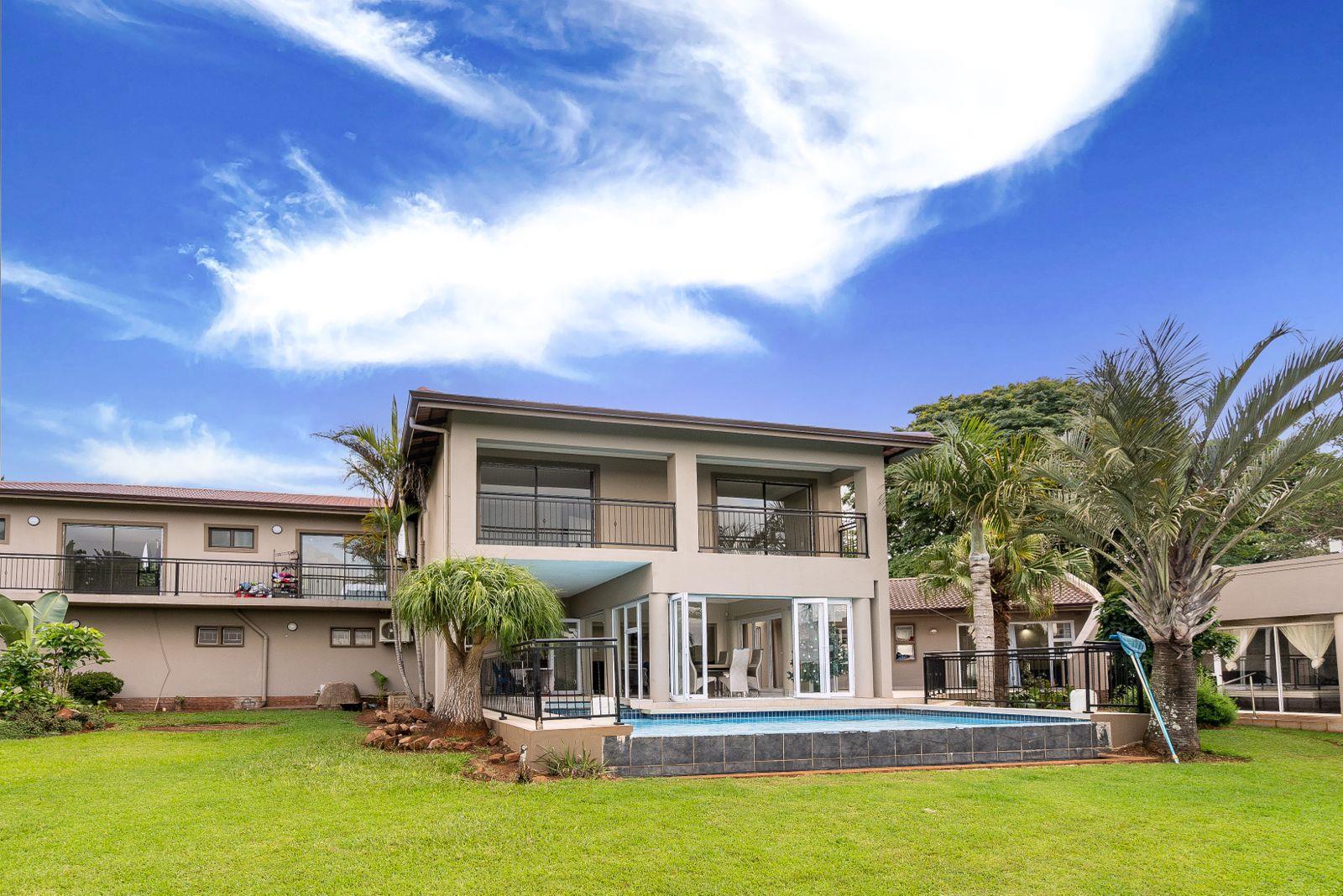
336 listings
Visit Chas Everitt's portal (opens in a new tab)Wayne LombardVisit Chas Everitt's portal (opens in a new tab)Wayne LombardVisit Chas Everitt's portal (opens in a new tab)Wayne LombardVisit Chas Everitt's portal (opens in a new tab)Wayne LombardVisit Chas Everitt's portal (opens in a new tab)Wayne LombardVisit Chas Everitt's portal (opens in a new tab)Wayne LombardVisit Chas Everitt's portal (opens in a new tab)Wayne LombardVisit Chas Everitt's portal (opens in a new tab)Wayne LombardVisit Chas Everitt's portal (opens in a new tab)Wayne LombardVisit Chas Everitt's portal (opens in a new tab)Wayne LombardVisit Chas Everitt's portal (opens in a new tab)Wayne LombardVisit Chas Everitt's portal (opens in a new tab)Wayne Lombard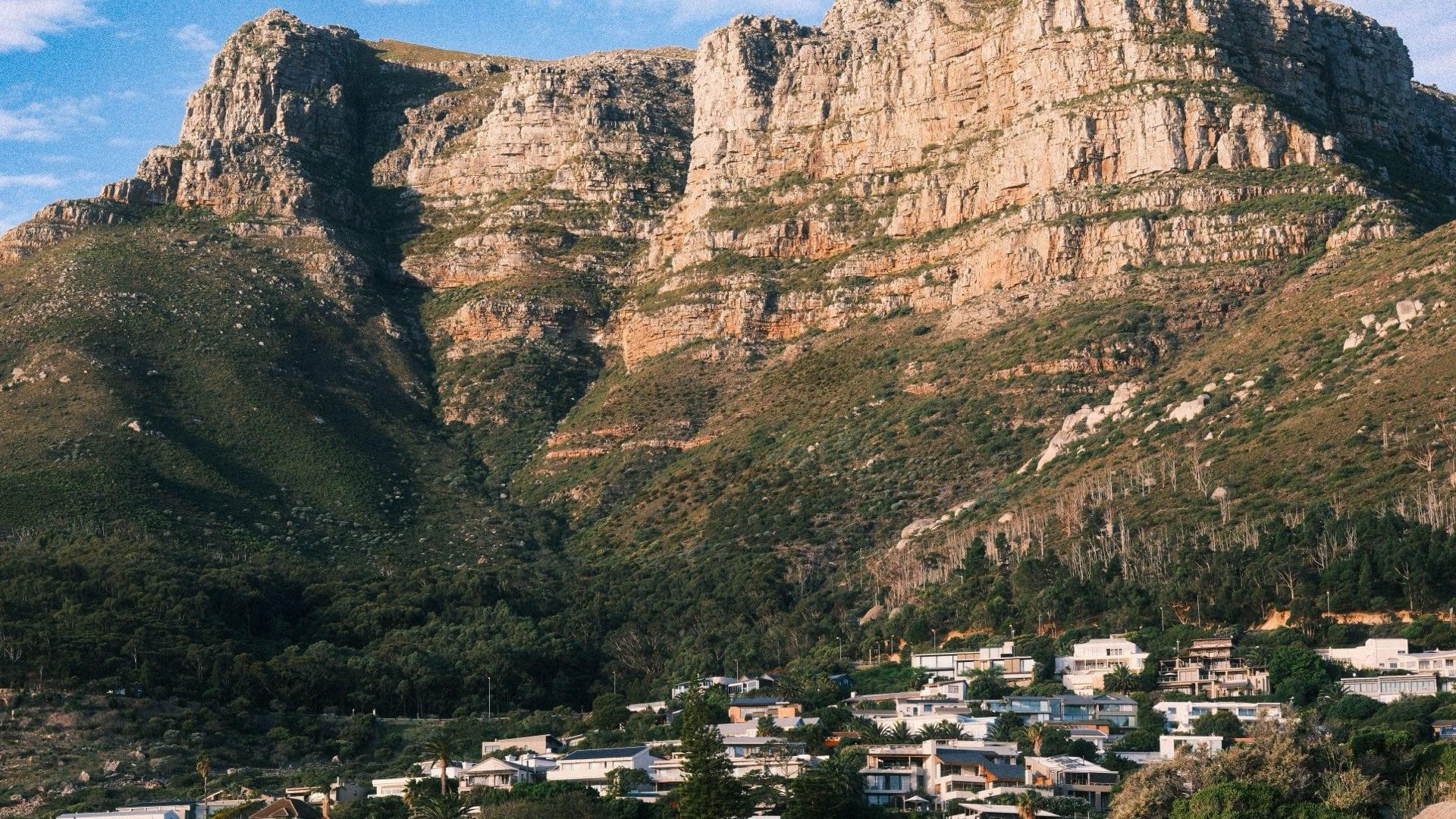 Country guide · 15 minSouth Africa Investor GuideOne of the world's most open property markets for foreigners, strong USD value and Cape Town demand, balanced against rand volatility, a 50% non-resident loan cap, and exchange-control rules for repatriationOpen Freehold MarketStrong USD ValueWestern Cape OutperformsRead the guide
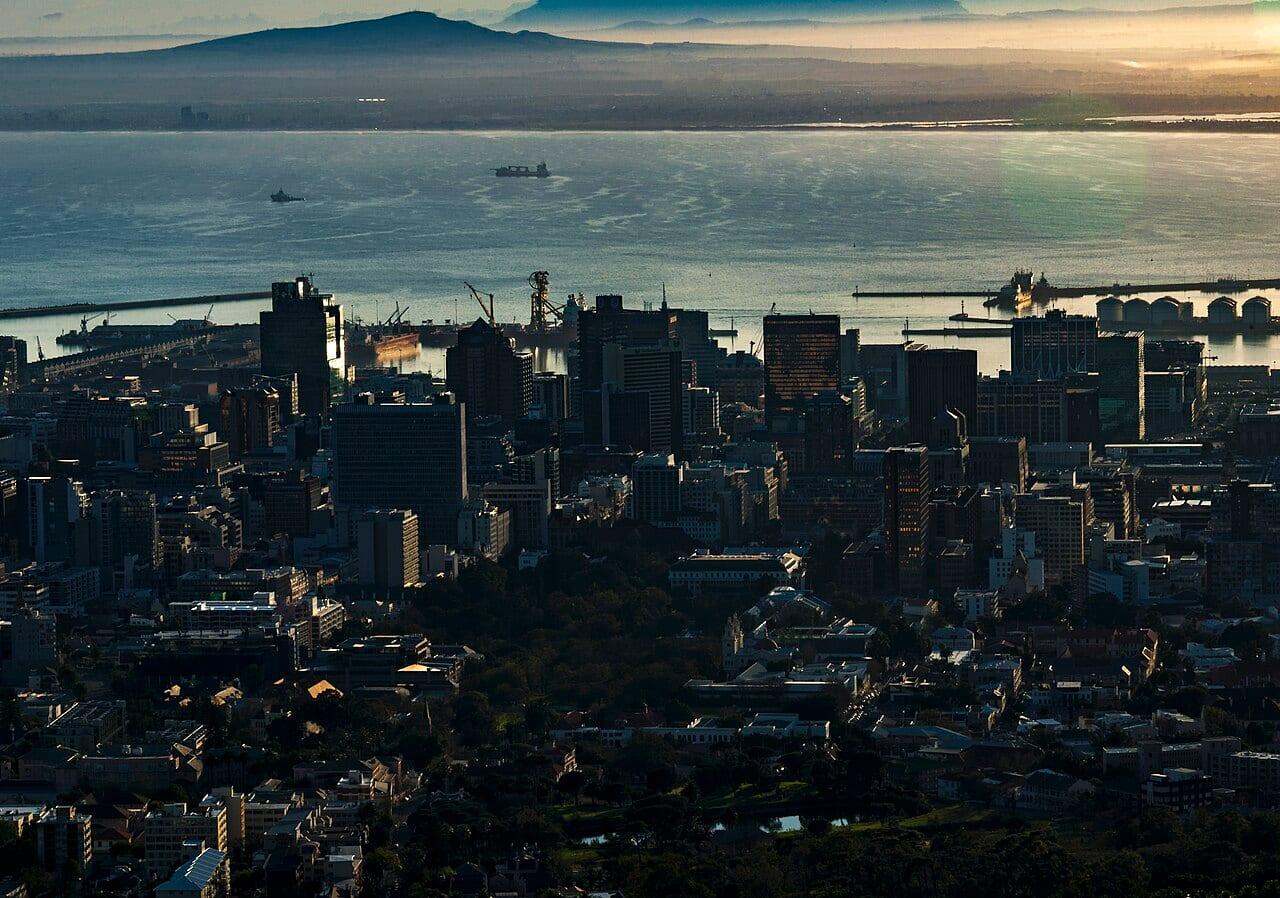 City guide · 8 minCape TownCape Town is South Africa's second-largest city and legislative capital, wrapped around the City Bowl beneath Table Mountain and fringed by the Atlantic Seaboard's beaches (Clifton, Camps Bay, Sea Point). It is consistently the country's strongest residential market: Western Cape house prices rose roughly 8–10% in the year to 2025 versus a national average nearer 4–5%. The dominant demand driver is 'semigration', affluent South Africans relocating from Gauteng and KwaZulu-Natal to the Western Cape for lifestyle, governance and safety, layered on strong international demand and an outsized tourism economy. The city is also South Africa's leading technology hub ('Silicon Cape', 450+ tech firms incl. Amazon's African operations), underpinning professional rental demand, and one of the world's largest Airbnb markets (the V&A Waterfront alone draws ~24m visitors a year). National load-shedding, severe through 2023, had largely ceased by 2025 (200+ blackout-free days), though most premium properties still run backup solar/inverters. For foreign investors, ownership is open, non-residents buy freely; the main constraint is exchange-control financing (typically max ~50% local mortgage, the balance brought in from offshore). There is NO property-based golden visa, buying grants no residency. The rand is volatile, which lowers euro entry costs but adds currency risk to returns.
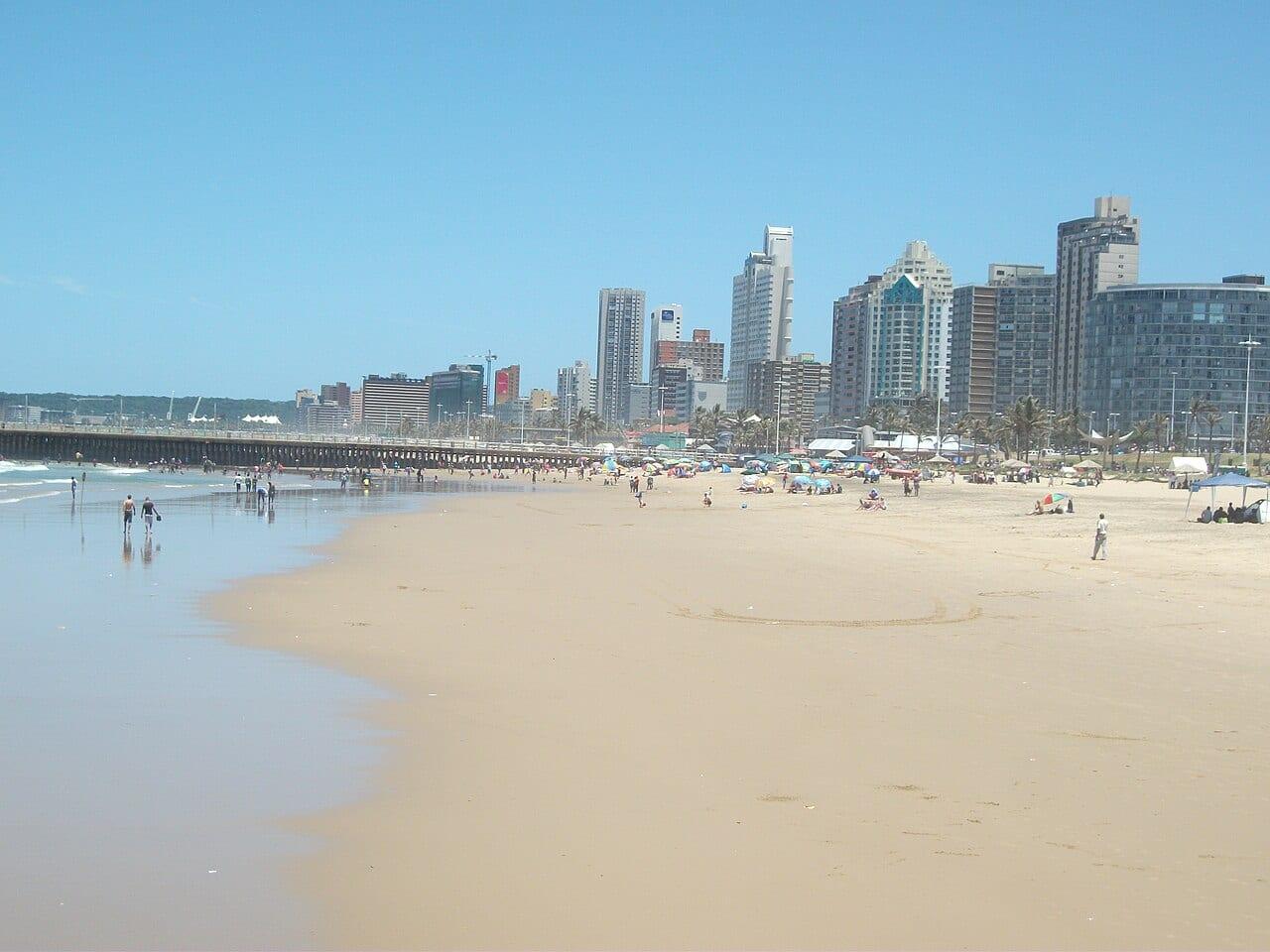 City guide · 8 minDurbanDurban is South Africa's third-largest city and the warm-water gateway of the Indian Ocean coast, wrapped around the busiest port in Africa. Its signature is the Golden Mile, a long beachfront promenade of surf beaches and the uShaka Marine World complex, set against a humid, year-round-swimming climate that makes KwaZulu-Natal the country's domestic-holiday capital. At roughly half the per-square-metre cost of Cape Town's Atlantic Seaboard, Durban reads as a value-and-yield market rather than a capital-gains market. The investment story of the last decade has been a clear migration of money north of the old centre to the uMhlanga / La Lucia 'New Durban' growth node, anchored by the giant Gateway mall, the uMhlanga Ridge business district and the emerging Sibaya Coastal Precinct, which now functions as the de-facto premium CBD. Domestic 'semigration' from Gauteng to the KZN coast continues to feed demand here and up the N2 toward Ballito. Honesty matters: the boom is geographically uneven. The historic inner city and parts of the beachfront fringe have declined through service strain and the aftermath of the 2021 unrest and 2022 floods, while a multi-billion-rand regeneration (Point Waterfront, Rivertown) is still a work in progress. The reliable returns sit in the northern suburbs and the Berea ridge (Morningside, Musgrave, Glenwood), where strong rental demand and established schools offset slow headline price growth. Foreigners buy freely (non-residents ~50% local finance, exchange control); there is NO property golden visa. Investors come to Durban for income and lifestyle, not the appreciation curve.
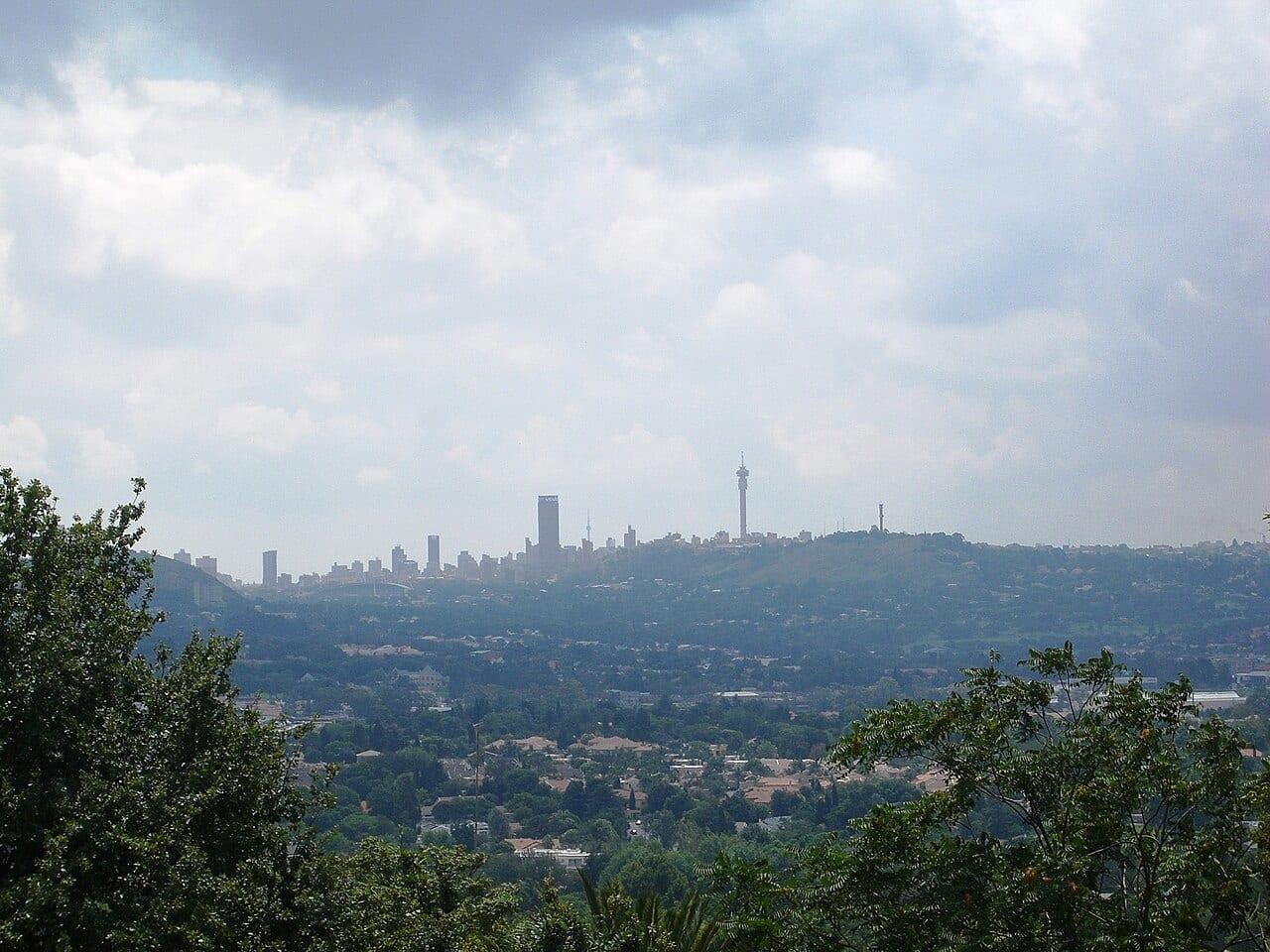 City guide · 8 minJohannesburgJohannesburg is the economic engine of South Africa and the wider sub-Saharan region, the country's largest city (metro ~6.45m) and seat of the Johannesburg Stock Exchange, Africa's largest bourse. Within it, Sandton functions as the de-facto financial capital, routinely branded the 'richest square mile in Africa'. Everything is priced in the rand (ZAR), a volatile emerging-market currency, the single most important variable for a euro investor, since local price growth can be erased or amplified by ZAR moves. Joburg's defining feature is its gated-estate and security-complex culture. Demand concentrates in the affluent northern suburbs (Sandton, Bryanston, Fourways, Rosebank, Houghton) where 24-hour access control, electric fencing and private patrols are standard and priced into the asset, a response to a genuinely high city-wide crime environment, so security is a real ongoing cost, not a marketing flourish. Two honest headwinds: 'semigration' out of Gauteng to the Western Cape has pushed Cape Town's price growth (~9–10% YoY) far ahead of Gauteng's (~3% YoY), so Joburg has lagged Cape Town on capital growth for years; and load-shedding, severe in 2022–24, had largely abated by early 2026 (300+ blackout-free days). The investment thesis is the mirror image of Cape Town's: lower capital growth, but materially higher rental yields and far cheaper entry prices. There is NO property golden visa, buying confers no residency.