City guides
City guides (402)
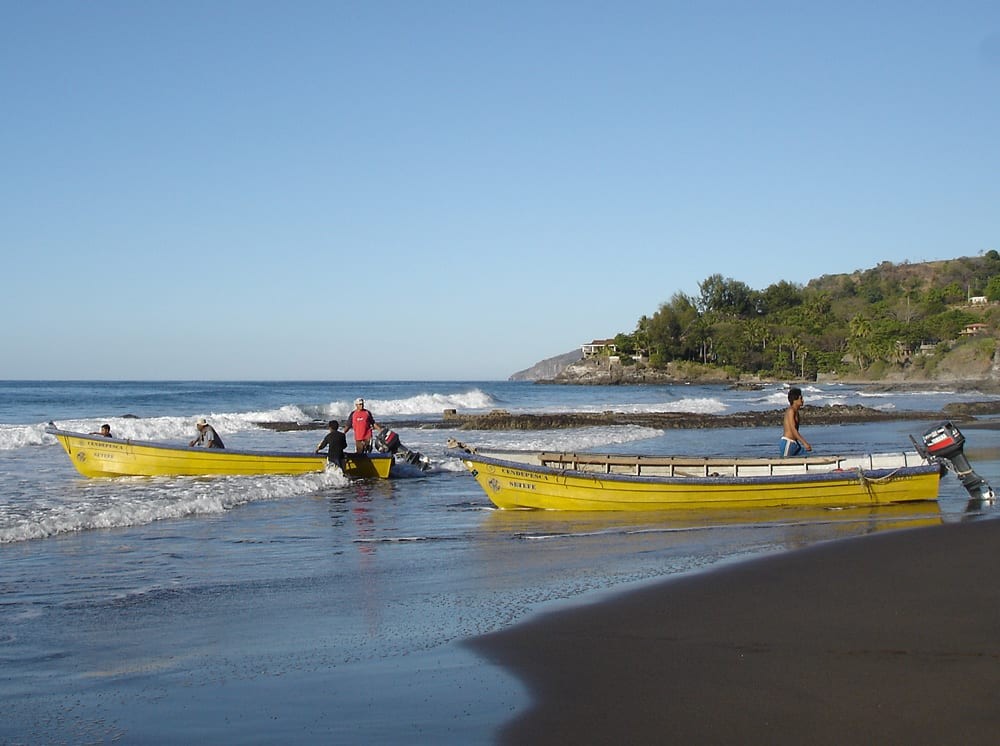

El Zonte
El Salvador
El Zonte, globally famous as Bitcoin Beach, is El Salvador's highest-conviction speculative property market, the village where a 2019 Bitcoin circular economy experiment seeded the 2021 national Bitcoin Law and ignited a coastal land rush. Once a bohemian surf hideaway, it has become a world surfing destination and a magnet for crypto entrepreneurs, digital nomads and frontier investors. Land prices tell the story: from an average of $34.33/m2 in 2015-2020 to $80.61/m2 in 2021-2024 (a 134.8% jump since the Bitcoin Law), with premium oceanview projects in 2025 reaching up to $1,058/m2 and flagship luxury villas at El Alto Residences listed near $1.19M. Foreign buyers must navigate the rule that non-citizens cannot directly own land within 100 metres of the high-tide line; the standard workaround is to hold beachfront through a Salvadoran corporation or trust, while inland lots can be owned outright. The US dollar and Bitcoin are both legal tender, overseas and BTC income is taxed at 0%, and the 2026 immigration reform plus the $1M Bitcoin Freedom Passport deepen the foreign-investor pipeline. The government's $200M+ Surf City program (highway four-laning, water treatment) underpins the thesis, though some analysts flag short-term-rental saturation and speculative froth - making location selection within El Zonte critical.
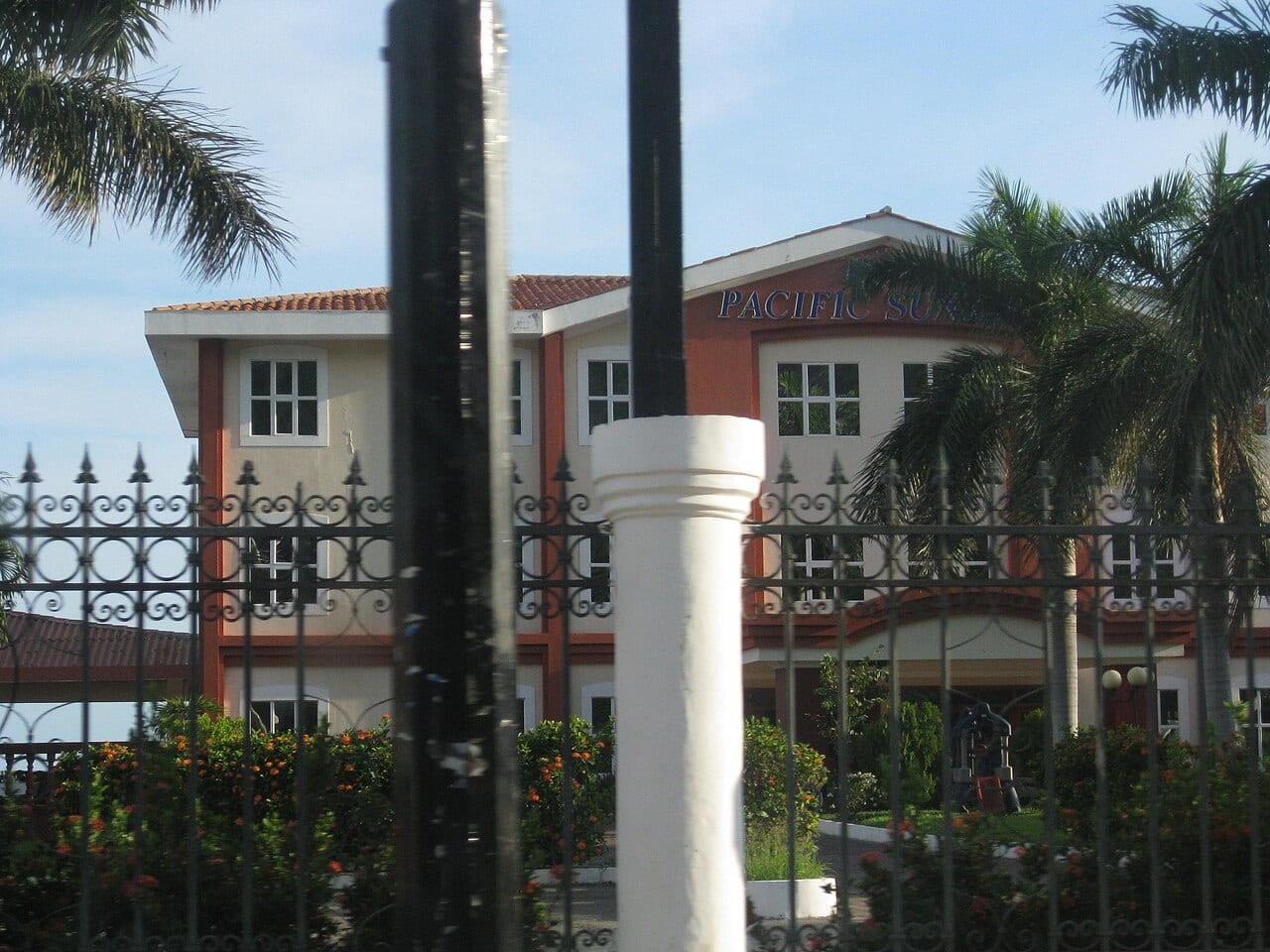
La Libertad
El Salvador
La Libertad is the beating heart of El Salvador's Surf City, the stretch of Pacific coast just 30-40 minutes from San Salvador and its international airport that the government has rebranded and rebuilt as the country's flagship tourism-and-investment corridor. Anchored by the legendary surf villages of El Tunco and El Sunzal, the rejuvenated Puerto de La Libertad and its Malecon, and a wave of gated beach communities, it is the most institutional-grade slice of the Salvadoran coast. Prices have climbed sharply: prime Surf City areas now reach around $2,000/m2 - comparable to premium Panama City - while gross rental yields in coastal areas exceed 8.7%, among Latin America's highest, with top properties generating $6,000+ per month. Listings span a wide band, from a 3-bed beach house at $430,000 in the gated El Mirador community to El Sunzal oceanview homes near $755,000. As elsewhere on the coast, foreigners cannot directly own land within 100 metres of the high-tide line and use Salvadoran corporations or trusts for beachfront, while inland and urbanized lots can be held outright; the dollarized, Bitcoin-legal, 0%-foreign-income tax regime and the 2026 immigration reforms apply throughout. The $200M+ Surf City 1 and 2 program - highway four-laning, a new water treatment plant and Malecon upgrades - is the structural tailwind behind La Libertad's growth.
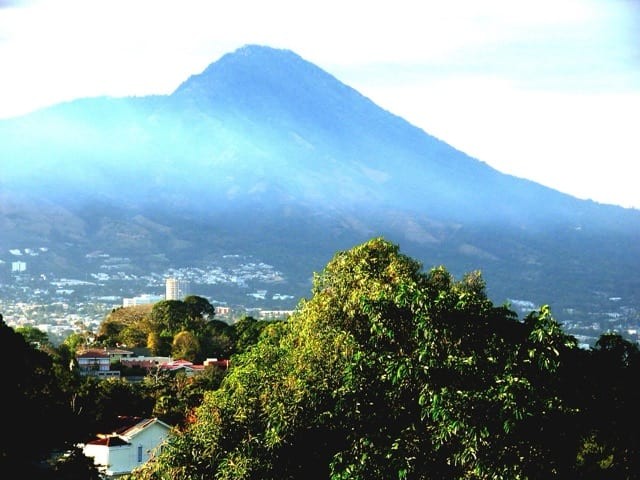
San Salvador
El Salvador
San Salvador is El Salvador's dollarized capital and the country's deepest, most liquid property market, anchored by upscale western districts where embassies, multinationals and the new wave of crypto-economy professionals concentrate demand. In 2026, premium neighbourhoods diverge sharply: Colonia Escalon trades around $420-$700/m2 while adjacent San Benito commands $980-$1,400/m2 for new luxury condos. Gross rental yields are among Latin America's strongest, roughly 7.3% in the city centre and 7.5% or higher outside it, with furnished executive units in Escalon and San Benito renting $400-$700 per night on the short-term market. Dollarization (the US dollar is legal tender since 2001, alongside Bitcoin since 2021) removes currency risk for foreign buyers, and El Salvador's territorial tax system means overseas and Bitcoin income is taxed at 0%. Foreigners may own urban property outright with no nationality restriction inside the city; the 100-metre coastal and 30-kilometre border restrictions do not apply to San Salvador's inland location. The 2026 immigration reform cut the residency-presence requirement to 90 days, and a $1,000,000 Bitcoin/USDT contribution grants the Freedom Passport. Plummeting crime, a rebuilt Centro Historico, and steady 5-7% YoY appreciation make the capital the lower-volatility entry point into the Salvadoran story versus the speculative coast.
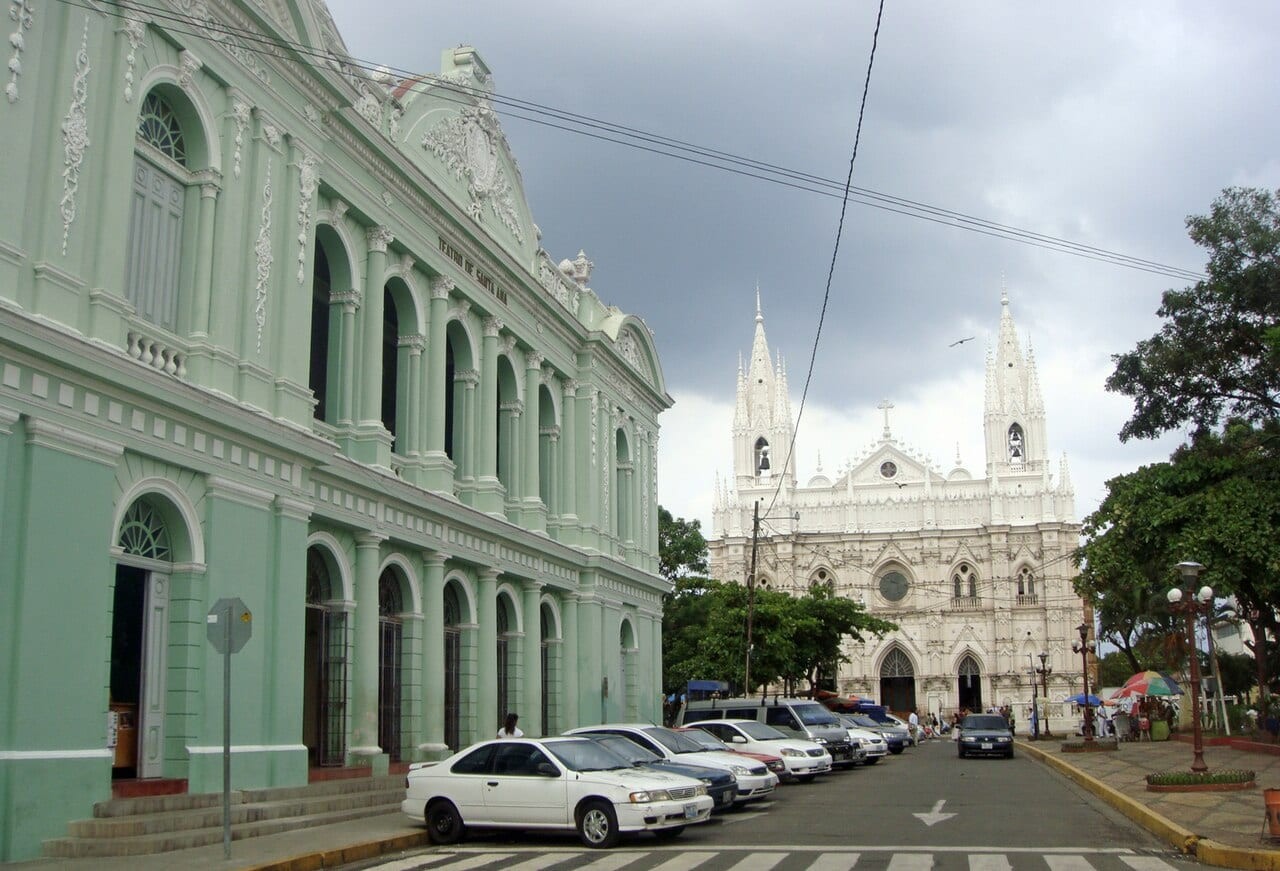
Santa Ana
El Salvador
Santa Ana, El Salvador's elegant second city and the capital of the western coffee highlands, is the country's most affordable and value-oriented investor market - an inland, climate-cooled alternative to the speculative coast. Roughly 250,000 residents anchor a metro of well over 350,000, set among the volcanoes, crater lakes and coffee fincas of the west. Its crown jewels are the neo-gothic Santa Ana Cathedral, the restored Teatro de Santa Ana and a handsome historic core, while Lake Coatepeque and Cerro Verde national park drive a growing tourism-and-second-home market. Prices are a fraction of San Salvador and the coast: residential homes start around $55,000 with rentals from $350/month, while premium estates and lakefront land reach into the seven figures for boutique-hotel or development use. The inland location means none of the coastal 100-metre restriction applies, so foreigners can own urban and most rural property directly - only the 30-kilometre border-zone rule (near the Guatemala frontier) requires structuring. Dollarization, Bitcoin legal tender, the 0% foreign-income tax regime and the 2026 immigration reforms apply nationwide. With prices low, yields healthy from student and worker demand, and Lake Coatepeque tourism rising, Santa Ana is the contrarian, lower-cost entry to the El Salvador story.
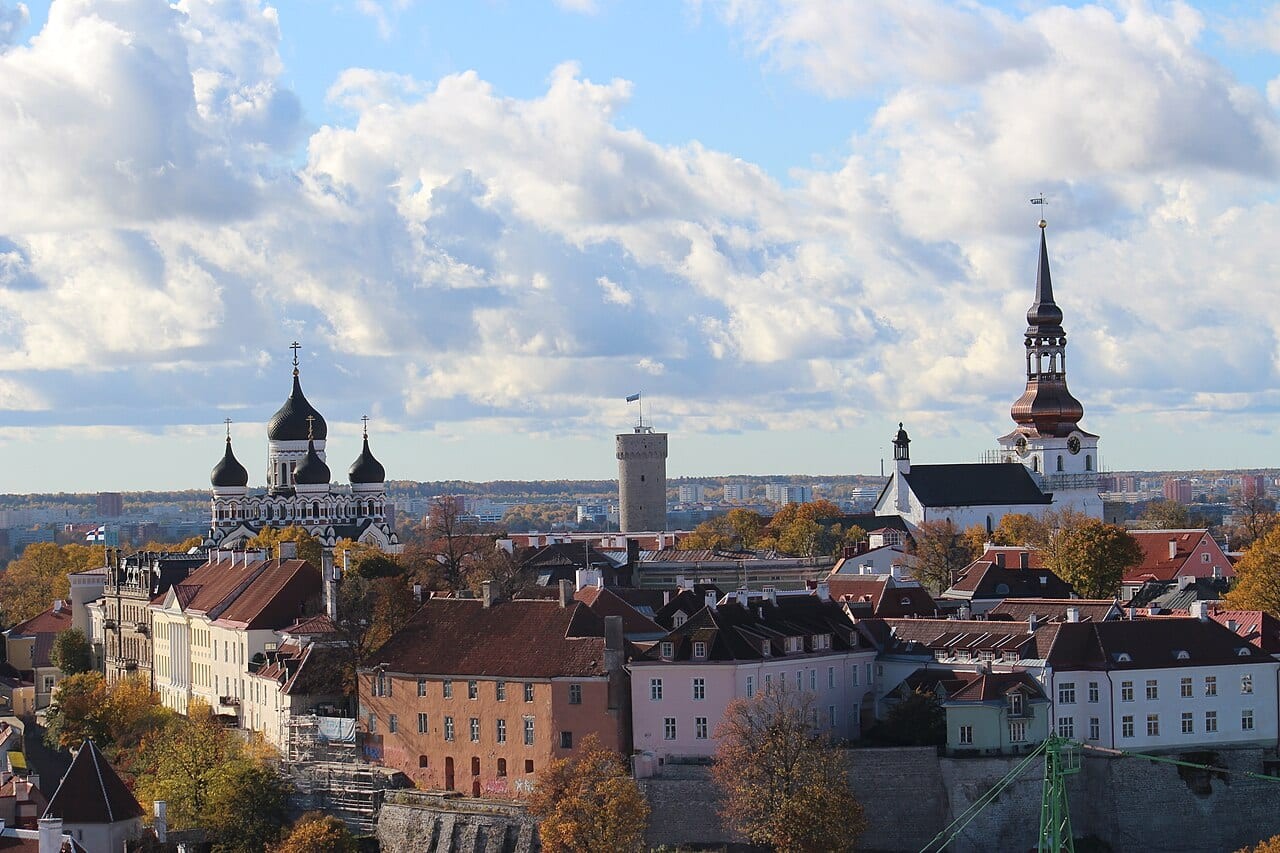

Tallinn City Guide
Estonia
Tallinn is the Baltic region's standout investment market: the capital of a fully digital, eurozone EU member state with one of Europe's most dynamic technology economies. Estonia adopted the euro on 1 January 2011, removing currency risk for foreign buyers, and the country is globally famous for 'e-Estonia', a digital-government stack where company registration, banking and document signing happen entirely online. Estonia has produced more startup unicorns per capita than any other European country (Skype, Wise, Bolt, Pipedrive and more), and this tech wealth, combined with Tallinn's role as a Baltic gateway port, underpins steady housing demand from young professionals and expats. For investors, Tallinn offers a rare combination for an EU capital: relatively low entry prices (citywide transaction average around €3,050/m²), gross rental yields meaningfully above Western European capitals (citywide ~4.4%, with affordable Soviet-era districts reaching 5–6%), and no recurring tax on buildings, Estonia taxes only land. Transaction costs are among the lowest in Europe (regulated notary fee plus a fixed Land Register state fee; no stamp duty or transfer tax). Prices cooled from the 2024 boom but resumed moderate growth in 2025 as Euribor eased. Caution flags: Estonia has NO property-based golden visa, buying property grants no residency, and 'e-Residency' is a digital business ID, not the right to live in Estonia. The eastern border location near Russia carries a geopolitical risk premium, and short-term-rental rules are tightening, especially in the UNESCO-protected Old Town and under EU Regulation 2024/1028, which applies from May 2026.
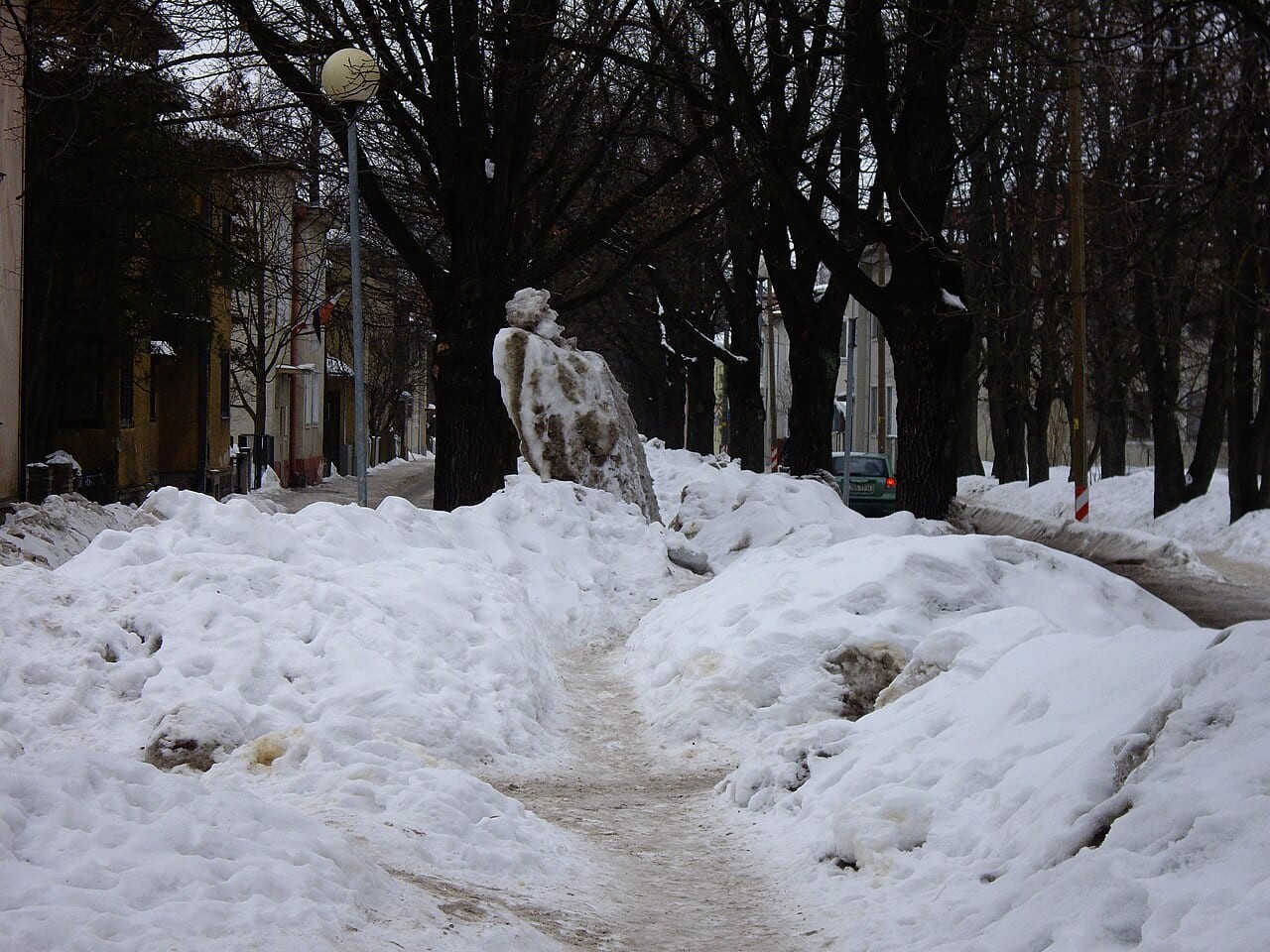
Tartu City Guide
Estonia
Estonia's second city and its intellectual capital, Tartu is home to the University of Tartu, the Baltic region's oldest and most prestigious, and a fast-growing technology and research cluster that earned it the title of European Capital of Culture 2024. With a population near 97,000, the city pairs a centuries-old academic heritage with a vibrant, youthful rental market and noticeably more affordable entry points than Tallinn. Average apartment transaction prices stood at roughly EUR 2,443 per square metre in Q2 2025, around 26% below comparable Tallinn stock, with a typical well-located 60-square-metre flat costing between EUR 110,000 and EUR 180,000. The historic centre of Kesklinn, the bohemian wooden-house district of Karlova, the leafy professors' district of Tahtvere, the low-vacancy Supilinn, and the large Soviet-era residential hub of Annelinn anchor demand. Tartu apartments offered gross rental yields between roughly 4.0% and 5.0% in 2025, averaging about 4.3%, supported by a deep and predictable student rental cycle. The city saw a temporary price correction in 2025, but underlying demand from the university and research sector remains structurally strong, and resale liquidity for well-priced flats stays healthy into 2026.

Helsinki
Finland
Helsinki is Finland's capital and the EU's northernmost Eurozone capital city. The city is a global tech and design hub (Nokia legacy, Supercell, Rovio, Wolt) with one of Europe's best education systems, strong public transit, and an architectural identity defined by Alvar Aalto and contemporary Finnish modernism. Central residential (Kruununhaka, Kamppi, Toolo, Punavuori, Kallio) commands EUR 5,500-9,500 per square metre, with gross yields of 4.0-5.5% -- among the best in Western European capitals. Finland is in the Eurozone, fully open to foreign buyers, and offers one of Europe's most stable mortgage markets (Bank of Finland-backed). Prices have been flat-to-down through 2022-24 and are now bottoming -- a contrarian entry point for value-focused buyers. For international buyers, Helsinki offers EU/Eurozone safety, English-friendly business culture, strong tech sector tenant demand, and yields meaningfully above other Nordic capitals. The catch: market depth is limited (Finland is the smallest of the Nordic property markets), winters are harsh (a real factor for short-let strategies), and resale liquidity in non-central districts is thinner than in Copenhagen or Stockholm.
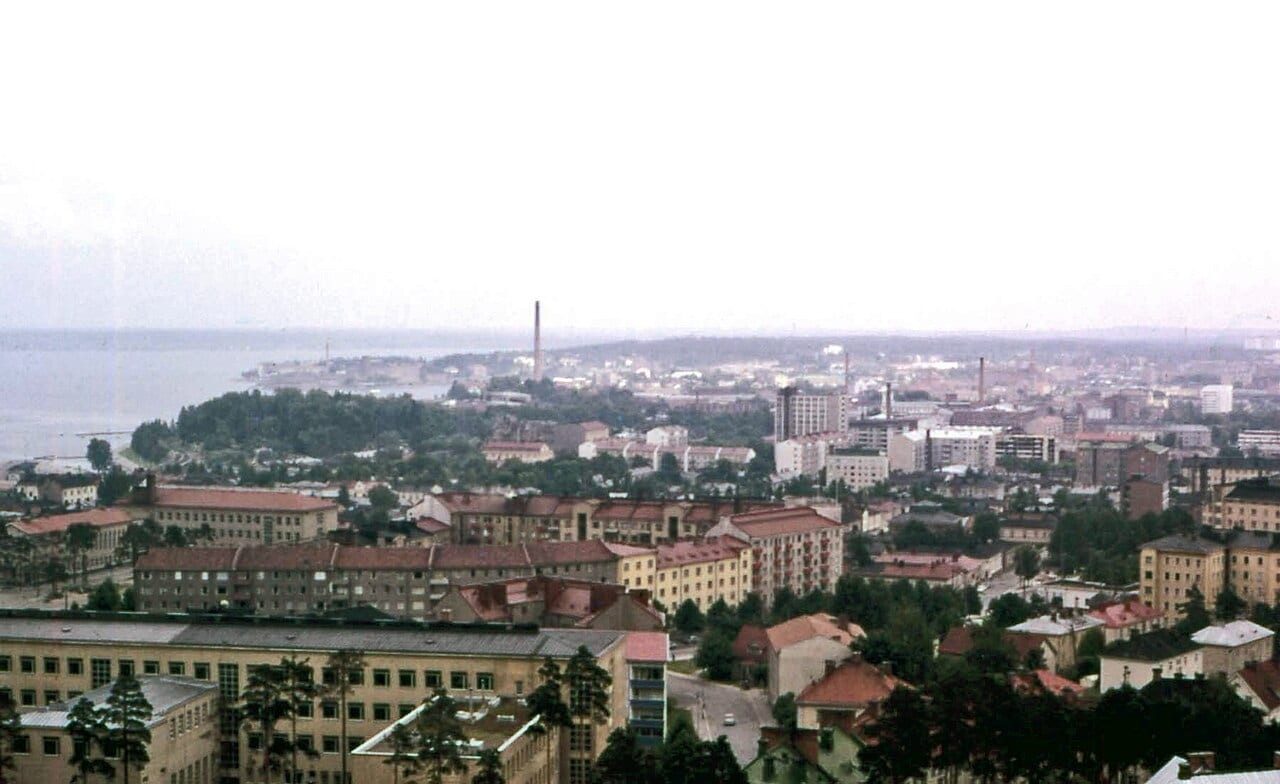
Tampere City Guide
Finland
Finland’s third-largest city and the fastest-growing urban centre in the country, Tampere has transformed from a 19th-century textile-mill town into a university and technology hub set between two lakes. For investors the appeal is demographic and infrastructural: the Tampere city region adds roughly 5,000 new residents a year and is projected to reach half a million by 2040, while the new tram line, which opened its first routes in 2021, has unlocked tens of thousands of planned homes along its corridor. Entry prices are accessible by Nordic standards, with apartments ranging roughly €2,100–3,800 per square metre and a citywide average near €4,100/m² for newer stock, well below Helsinki. The student-heavy Hervanta district, fed by Tampere University and on the tram line, delivers gross yields around 5.5–6.5%, against a Finnish national average near 5.6%. The national backdrop is mixed: Finnish prices drifted down roughly 2–3% year-on-year into early 2026 after a soft patch, but a recovery of about +2.5% is forecast for 2026 as rates normalise and construction stays near historic lows. With migration-driven demand outpacing new supply in growth cities, Tampere combines among the most attractive yields in the Nordics with a clear long-run growth narrative.

Accra City Guide
Ghana
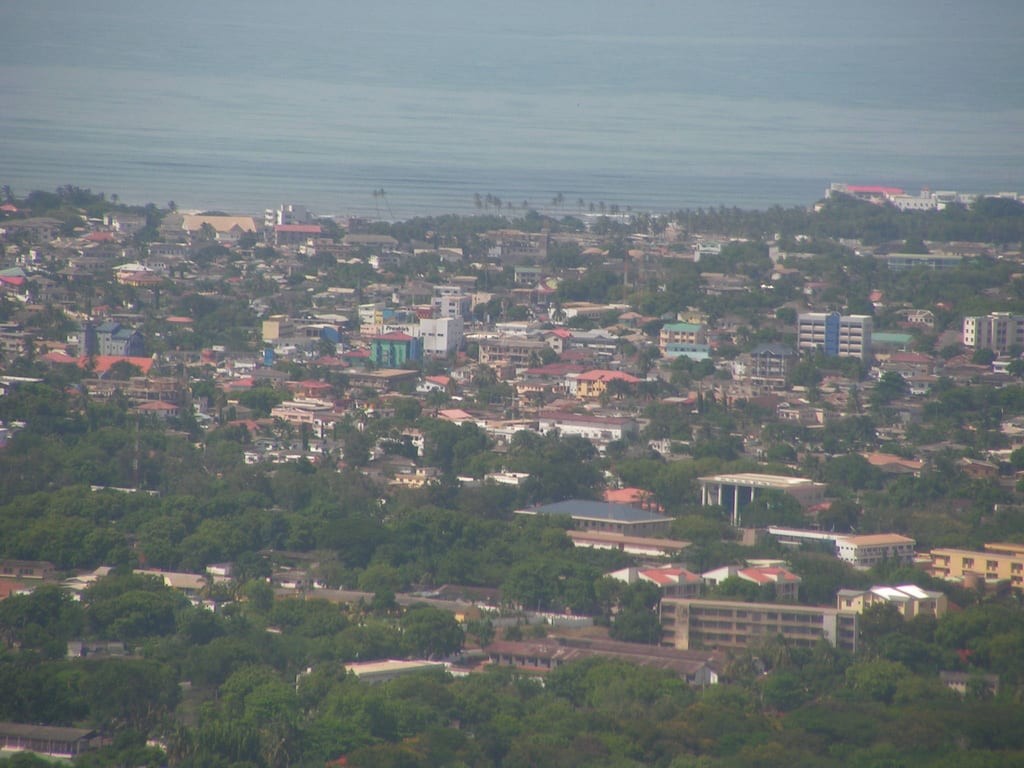
Accra is Ghana's capital and the commercial heart of West Africa's most dynamic real-estate market, a coastal metro of roughly 2.8 million on the Gulf of Guinea. The prime residential map is concentrated in a tight cluster of established neighbourhoods, Airport Residential Area, Cantonments, East Legon, Labone, and Dzorwulu, where expatriate and corporate demand keeps vacancy as low as 3-5%. In these districts, prime three-bedroom houses run roughly USD 450,000-600,000 and high-end apartments USD 250,000-400,000, with East Legon stock spanning USD 350,000 to well over USD 1 million at the top tier. Greater Accra prices grew an estimated 7-12% in nominal cedi terms over the past year, and gross rental yields range widely from about 6.5% to 9.5% depending on segment, generally 7-8% for serviced apartments on long leases in Airport Residential. The 2026 market is bifurcated: mid-market gated homes (USD 80,000-350,000) absorb quickly at firm prices, while the luxury segment above USD 400,000 is a buyer's market with oversupply and negotiating room of 10-20%. Dollar-denominated demand and cedi volatility are defining features for international buyers.
Kumasi City Guide
Ghana
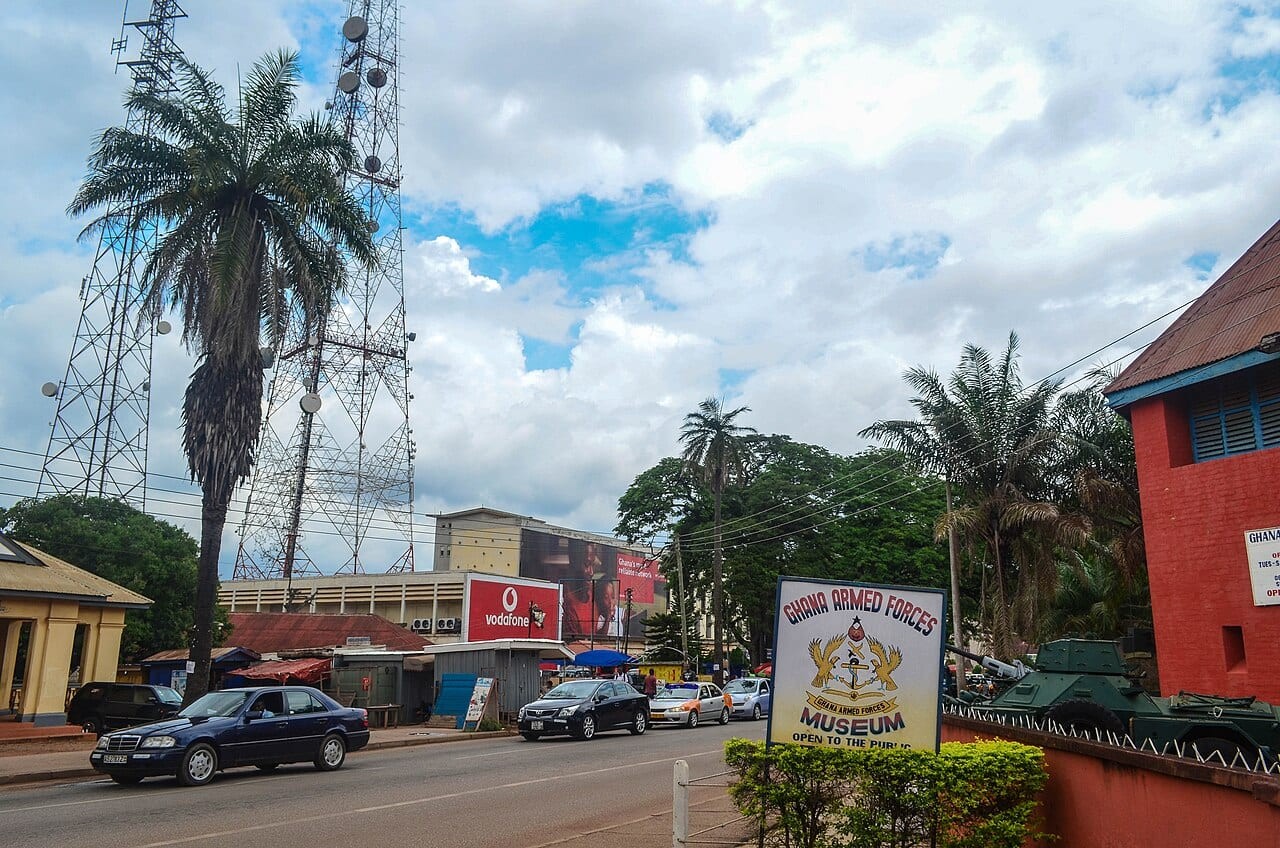
Kumasi is Ghana's second city and the capital of the Ashanti Region, the historic seat of the Asante kingdom and a fast-growing commercial and logistics hub serving the country's interior. Its metropolitan area numbers around 3.5 million people and is expanding at roughly 3.6% a year, with projections approaching 4.8 million by 2031, demographic momentum that sits at the centre of its property investment case. Kumasi is markedly more affordable than Accra: three-bedroom homes average around GHS 1.2 million (about USD 80,000), rising to USD 180,000-250,000 for prime stock in upmarket districts such as Nhyiaeso, Ahodwo, and Asokwa. Prices climbed about 5% in 2024 and are forecast to grow 5-10% annually over the next five years, driven by infrastructure, urban expansion, and rising investor interest. The trade-off for lower entry prices is higher income: gross rental yields run roughly 8-12%, with the strongest returns in affordable and student housing near the Kwame Nkrumah University of Science and Technology (KNUST). Those upper-end yields reflect emerging-market and cedi-currency risk rather than guaranteed returns, but they position Kumasi as Ghana's leading value-and-yield alternative to the capital.
Takoradi City Guide
Ghana
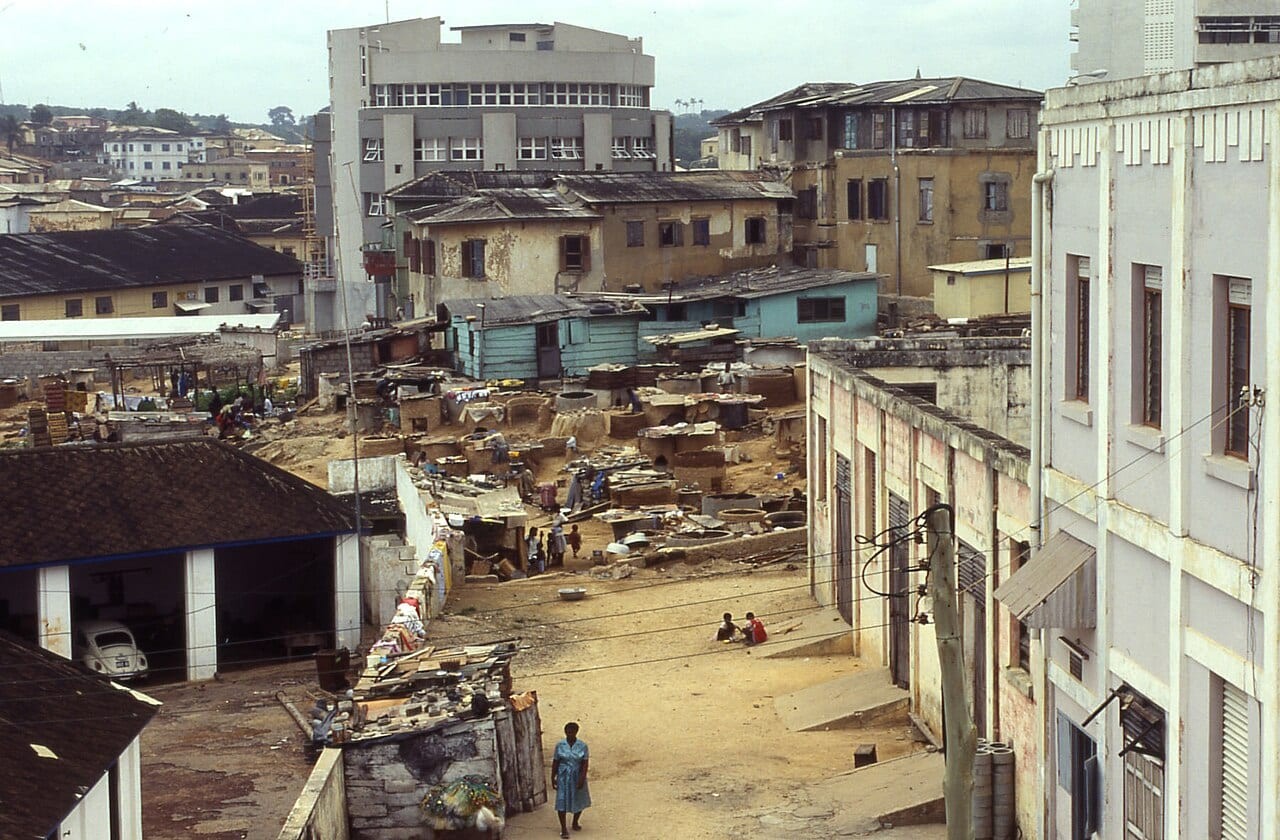
Capital of Ghana's Western Region and the commercial half of the Sekondi-Takoradi twin city, Takoradi is the country's oil-and-gas gateway, its deep-water port dredged from 11 to 16 metres over the past decade to rival Tema and to service the offshore Jubilee and TEN fields. Property demand has tracked the energy build-out, with three-bedroom homes in prime Beach Road, Chapel Hill and Windy Ridge running roughly USD 120,000-180,000 and serviced residential plots between USD 60,000 and USD 110,000. Foreign buyers face Ghana's constitutional ceiling on tenure: non-citizens cannot hold freehold and are limited to leaseholds of up to 50 years, renewable, while Ghanaian citizens may hold 99-year leases. Rental yields are healthy by Western standards at roughly 6-8% gross on serviced expatriate-grade housing, though non-resident landlords pay a 15% withholding tax on rental income and contend with cedi depreciation against the dollar.
Antigua Guatemala
Guatemala
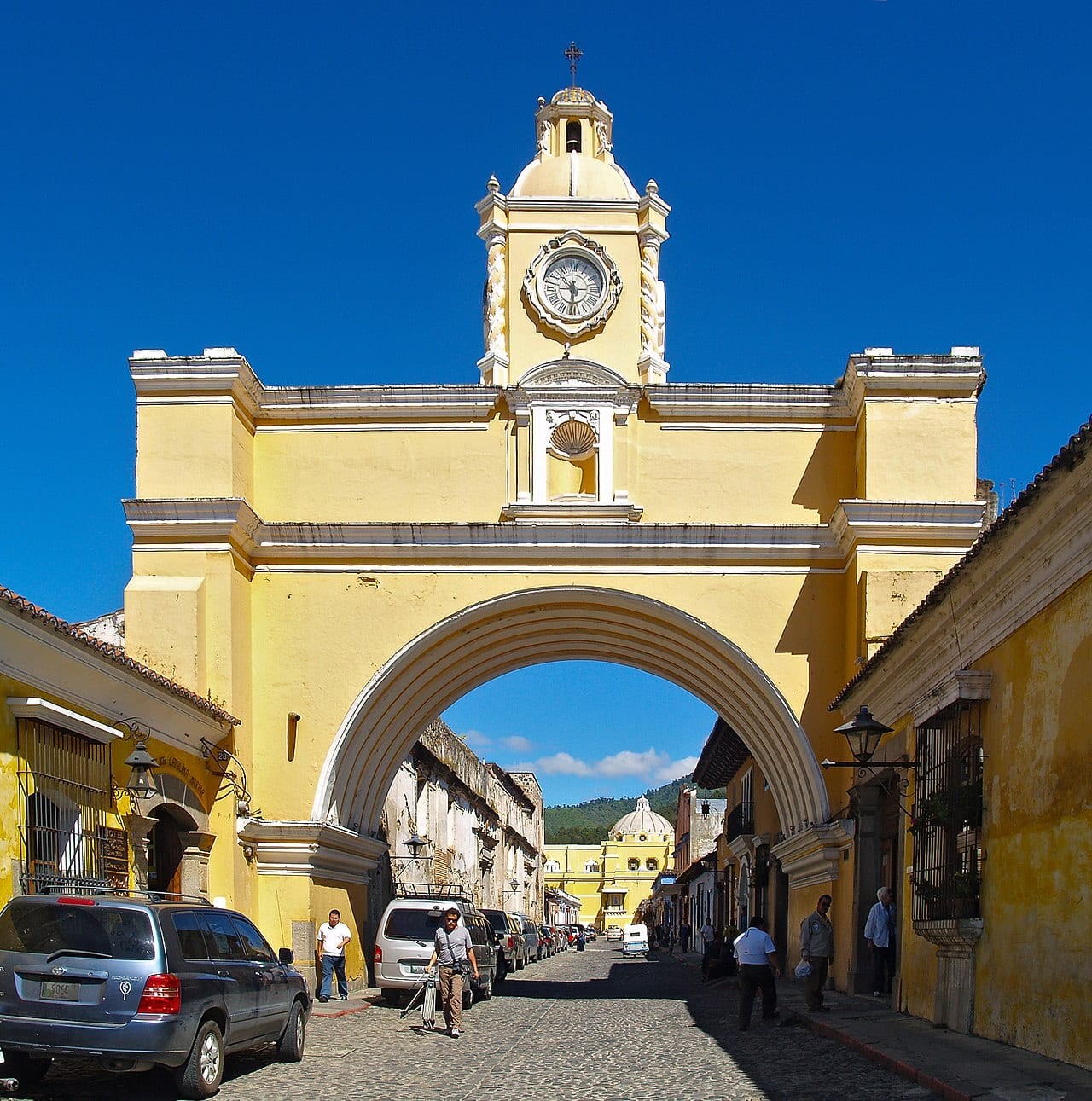
Antigua Guatemala, a UNESCO World Heritage colonial city ringed by three volcanoes, is the country's premier lifestyle and short-term-rental market. Cobblestone streets, restored Spanish-Baroque casas, and a thick concentration of expats, language students and tourists keep occupancy high year-round. As of 2026, restored homes inside the historic core trade at roughly USD 3,400-5,200 per m2 (about USD 320-500 per sqft), with mid-market family homes in surrounding aldeas at USD 1,200-2,200 per m2. Antigua leads national appreciation at 5-8% YoY, ahead of the country's 4-6% average, driven by strict heritage rules that cap new supply. Gross rental yields run 6-8% on long lets, but well-managed Airbnb properties frequently clear 8-12%. Foreigners may own freehold here outright (Antigua sits far from any restricted border, coastal or lake strip), buying on a tourist visa with a passport and NIT tax number. Closing costs run roughly 3-4% (1.5% transfer tax, notary and registry), with annual IUSI property tax near 0.9% of assessed value. Guatemala offers no property golden visa, but the Decree 44-2016 investor residency (up to 5 years) suits buyers seeking a base. Limited mortgage access means most foreign purchases are all-cash.
Guatemala City
Guatemala
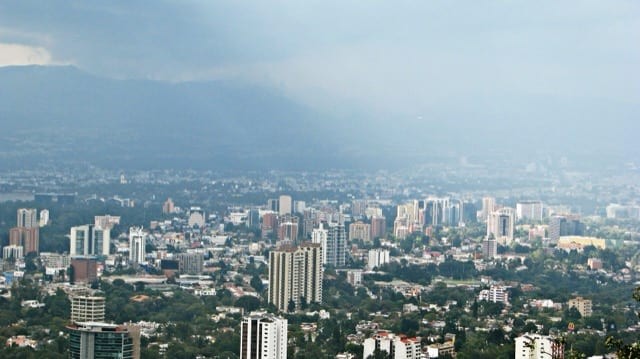
Guatemala City is Central America's largest metropolis and the country's commercial and financial engine, anchoring a metro population of roughly 3.2 million. Demand from professionals, embassy staff and corporate expats concentrates in the upscale southern zones, where 2026 asking prices reach Q14,000-28,000 per m2 (about USD 1,800-3,660), with Zona 14 the priciest. The city posts the steadiest growth in the country at 4-6% YoY, underpinned by urbanization now above 67% and a expanding middle class. Gross rental yields of 5.7-8.4% in the prime zones are among Latin America's healthiest, with furnished apartments in Zona 10 and 14 renting at Q8,000-15,000+ monthly. Foreigners enjoy full freehold rights here, the capital sits clear of any restricted border, coastal or lake zone, and may buy on a tourist visa with passport and NIT; closing costs run 3-4%. Mortgage financing for non-residents is scarce, so purchases are typically all-cash. The Decree 44-2016 investor-residency route (up to five years) appeals to those wanting a regional base; Guatemala has no property-linked golden visa.
Panajachel
Guatemala
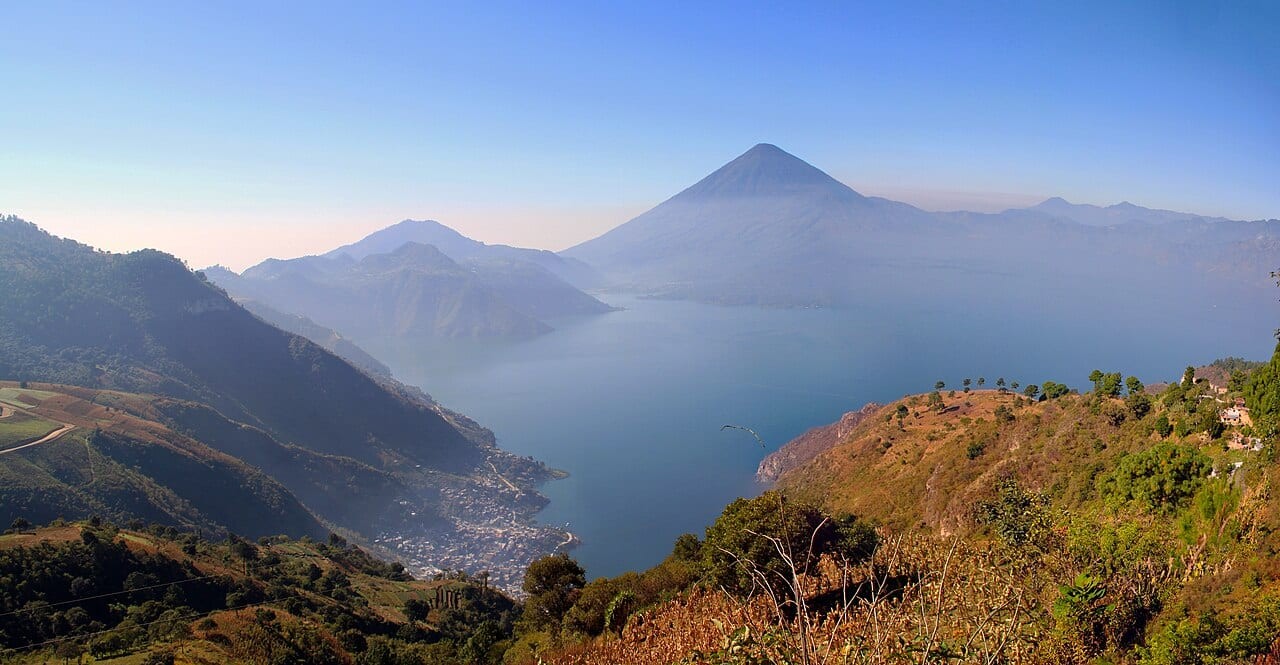
Panajachel ('Pana') is the gateway and expat hub of Lake Atitlan, a volcanic-crater lake ranked among the most beautiful in the world. It is the only lakeside town with reliable road access, a bus terminal, major-bank ATMs, hospitals and a large market, making it the lake's most convenient and liquid property market. Roughly 15,000 residents include a dense international community. Lakefront and lake-view homes start around USD 100,000 and rise past USD 500,000 for prime waterfront, with vacation rentals earning Q8,000-30,000 monthly (USD 1,000-3,900) and gross yields of 8-12% for well-run short-term lets. A critical caveat: Guatemalan law bars foreigners from directly owning land within 200 m of a lake shore, so true lakefront is held through a Guatemalan corporation (Sociedad Anonima), while many hillside lake-view lots beyond the 200 m strip can be owned freehold outright. Inland and view properties carry standard 3-4% closing costs and ~0.9% annual IUSI tax. Demand is lifestyle-driven, retirees, remote workers and tourism, and supply is constrained by terrain, supporting steady appreciation in the 4-7% range.
Quetzaltenango
Guatemala
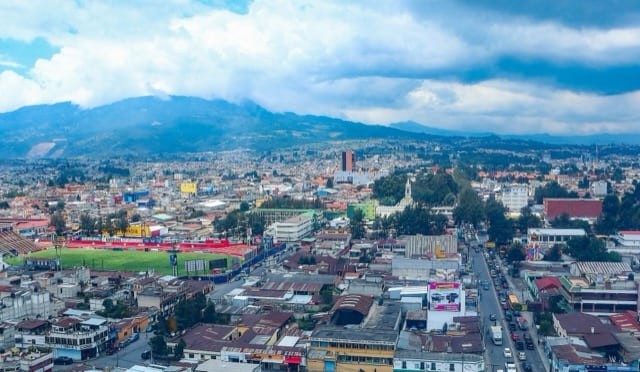
Quetzaltenango, universally known as Xela, is Guatemala's second city and the commercial and educational anchor of the western highlands. At 2,330 m it has a cool climate, a handsome neoclassical centre around Parque Centro America, universities, hospitals and the country's best street food, all at a fraction of Antigua or capital pricing. A single expat lives comfortably on USD 700-1,100 a month; Xela runs roughly 25% cheaper than Antigua and 50% below the capital's upscale zones. Resale colonial casas and condominiums trade 20-35% below new-build cost, with prices broadly in the USD 700-1,400 per m2 range, well under the country's tourist hotspots. Foreigners can own titled real estate directly and freehold here (Xela sits far inland, clear of any border, coastal or lake restriction), buying with a passport, NIT and a bilingual attorney for a cadastral title search. Closing costs run about 3-4% (1.5% transfer tax) and annual property tax around 0.8% of assessed value. Long-term rental demand from students, professionals and a steady expat-and-language-school community underpins gross yields of 6-8%, with appreciation in the 4-6% range.
Roatán
Honduras
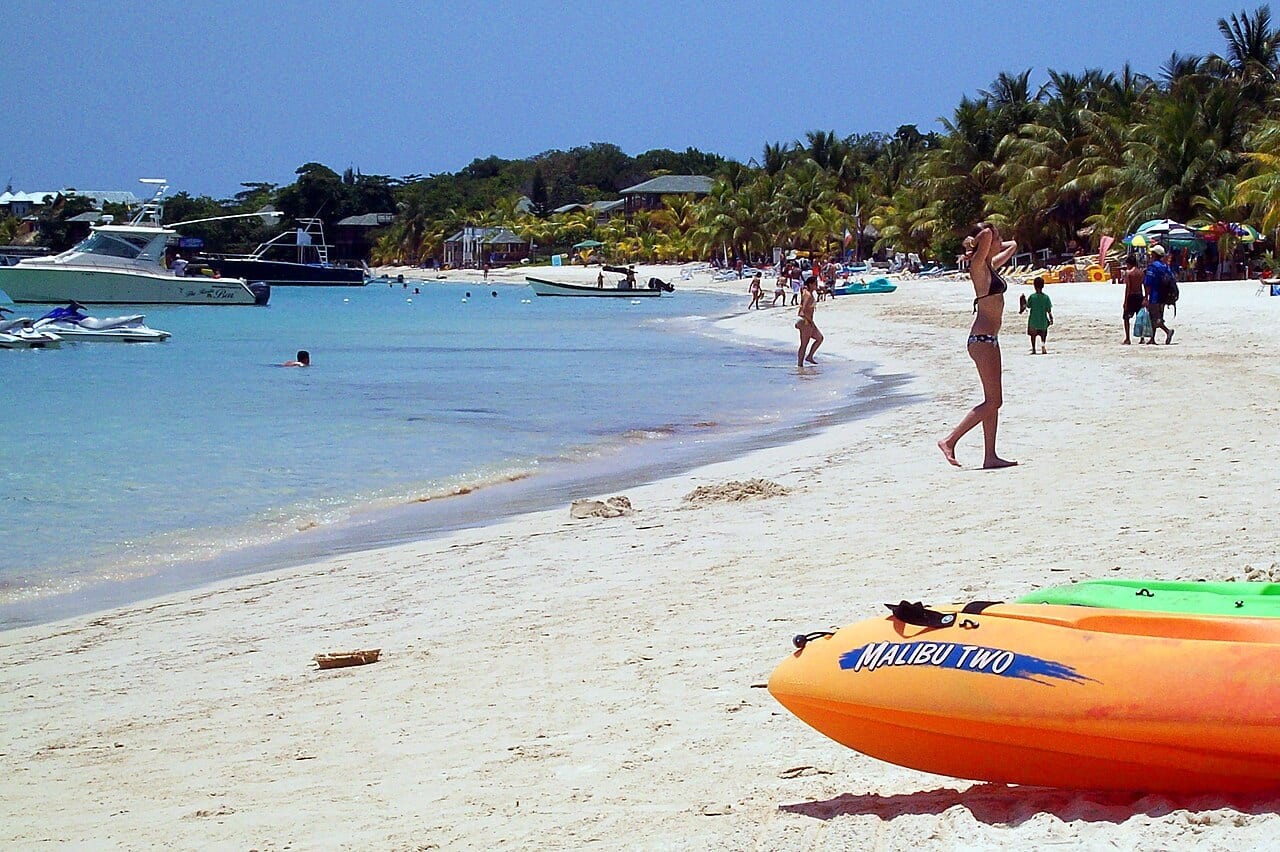
Roatán is Honduras's flagship Caribbean property market and the largest of the Bay Islands, drawing North American and European buyers with world-class diving on the Mesoamerican Reef, cruise-ship tourism, and full US-dollar pricing. In 2026 the island average sits near US$500,000, with beachfront homes opening around US$750,000 and luxury estates topping US$1 million; condos remain the accessible entry point at roughly US$228,000 (1-bed) to US$323,000 (2-bed). Prime West Bay beachfront commands US$4,500-US$7,500 per m², while Oak Ridge and Punta Gorda run US$1,200-US$2,500 per m². Prices rose 4-7% in USD terms over the past year, and gross rental yields range from 4-7% on premium West Bay beachfront to 7-12% in higher-yielding pockets, with well-managed short-term rentals achieving 60-75% annual occupancy and US$2,000-US$4,000 weekly in peak season (December-April). Foreign ownership is straightforward: Decree 90-90 lets a foreigner directly hold one urban property up to 3,000 m², while a Honduran corporation removes size and quantity limits and is the standard structure for larger or beachfront coastal acquisitions. Annual property tax is low at roughly 0.35% of assessed value. Honduras is not dollarized, but Roatán transacts almost entirely in US dollars, insulating investors from lempira volatility.
San Pedro Sula
Honduras
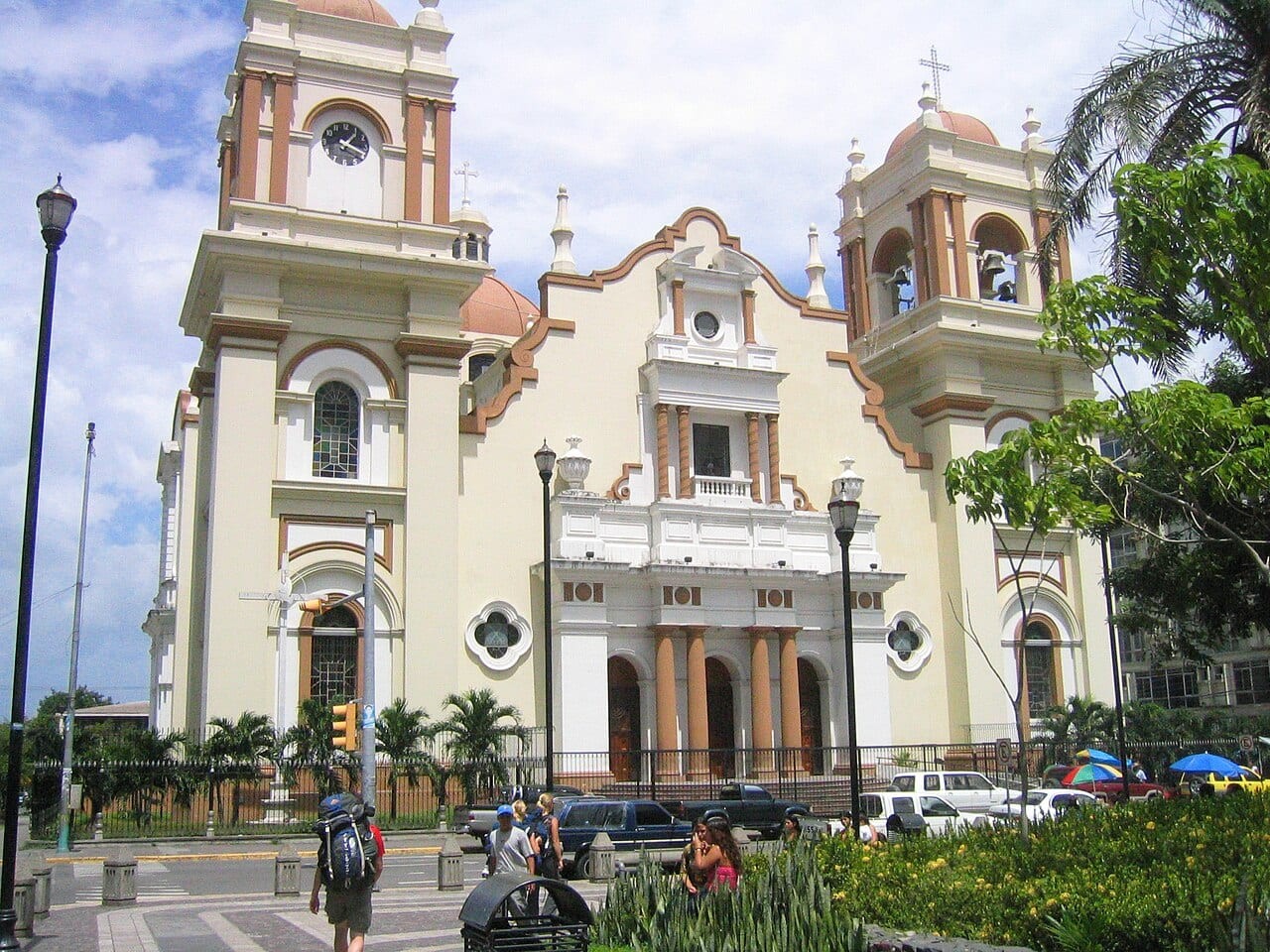
San Pedro Sula is Honduras's industrial and commercial capital and the economic engine of the country's north, anchoring the Cortés manufacturing corridor and Puerto Cortés, Central America's busiest container port. Its 2025 population reached about 1,034,000, growing 2.58% annually toward roughly 1,060,000 in 2026. This is a yield-driven domestic market rather than a dollar-priced resort one: apartments average about US$2,400/m² and houses around US$1,480/m², with city-center and upscale zones spanning US$600-US$1,200/m². The median residential price runs L3,190,000-L3,650,000 (roughly US$130,000-US$150,000), and two-bedroom apartments trade at US$89,000-US$110,000. Prices are rising 3-7% annually on industrial expansion and urban development. Rental yields are the strongest on the Honduran mainland: Colonia Trejo delivers about 7.0% net, and the central cluster of Trejo, Río de Piedras, and Jardines del Valle sustains 90%+ one-bedroom occupancy, the highest in the national dataset. Average rent is around L240/m²/month (about US$9), ranging L180-L320 by area, with 2026 rent growth projected at 4-6%. Honduras is not dollarized, so mainland investors carry lempira exposure, though rents and many sale prices reference USD. Foreigners may own under Decree 90-90 (one urban property up to 3,000 m²) or via a Honduran corporation; mainland urban property is unrestricted, unlike the coastal/border zones.
Tegucigalpa
Honduras
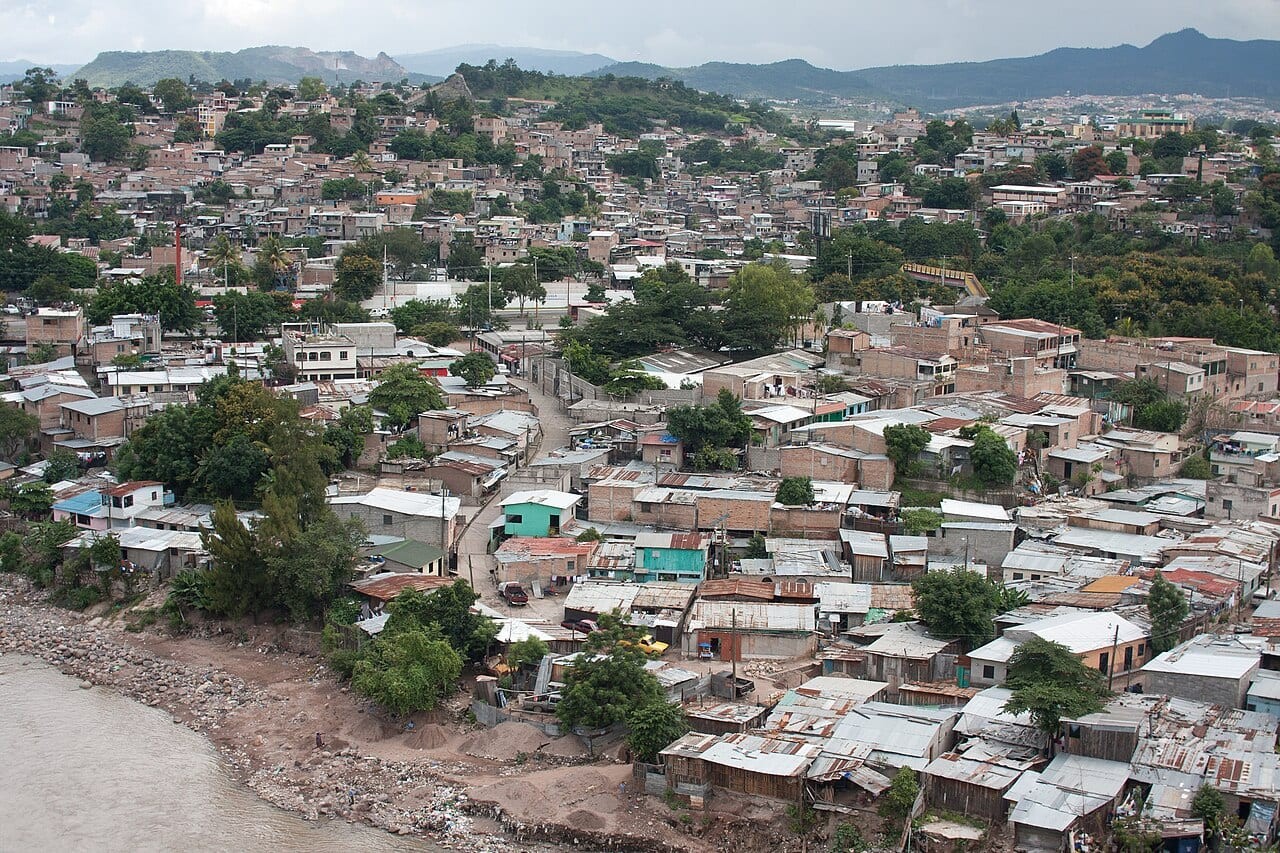
Tegucigalpa is Honduras's capital and largest metropolitan area, the seat of government, embassies, NGOs, and the country's administrative economy. Its 2026 population is estimated near 1,691,030, growing 2.47% annually. As the primary domestic job market, it is a yield-and-stability play rather than a dollar-priced resort market. Prime apartments command around US$2,500/m², with the highest prices in Lomas del Guijarro, Palmira, and El Hatillo (roughly L35,000-L55,000/m²), while budget peripheral areas start near HNL 9,000/m² (about US$340). The 2026 median housing price is about L5,800,000 (roughly US$220,000). Rental demand is anchored by government employees, NGO and embassy staff, and professionals: a 2-bedroom apartment averages about L31,250/month (around US$1,250). The highest gross yields are in Miraflores (6.5-8.5%) and Colonia Kennedy (7-10%), with Boulevard Los Próceres at 5.5-7.5% and Colonia Palmira at 5-7%. Lomas del Guijarro and Lomas del Mayab lead appreciation at 8-10% annually, though citywide nominal growth of about 5% nets near 0-1% after inflation. Honduras is not dollarized, so investors carry lempira exposure. Foreigners may own under Decree 90-90 (one urban property up to 3,000 m²) or through a Honduran corporation; the capital is inland and unrestricted, unlike coastal/border zones.
Utila
Honduras
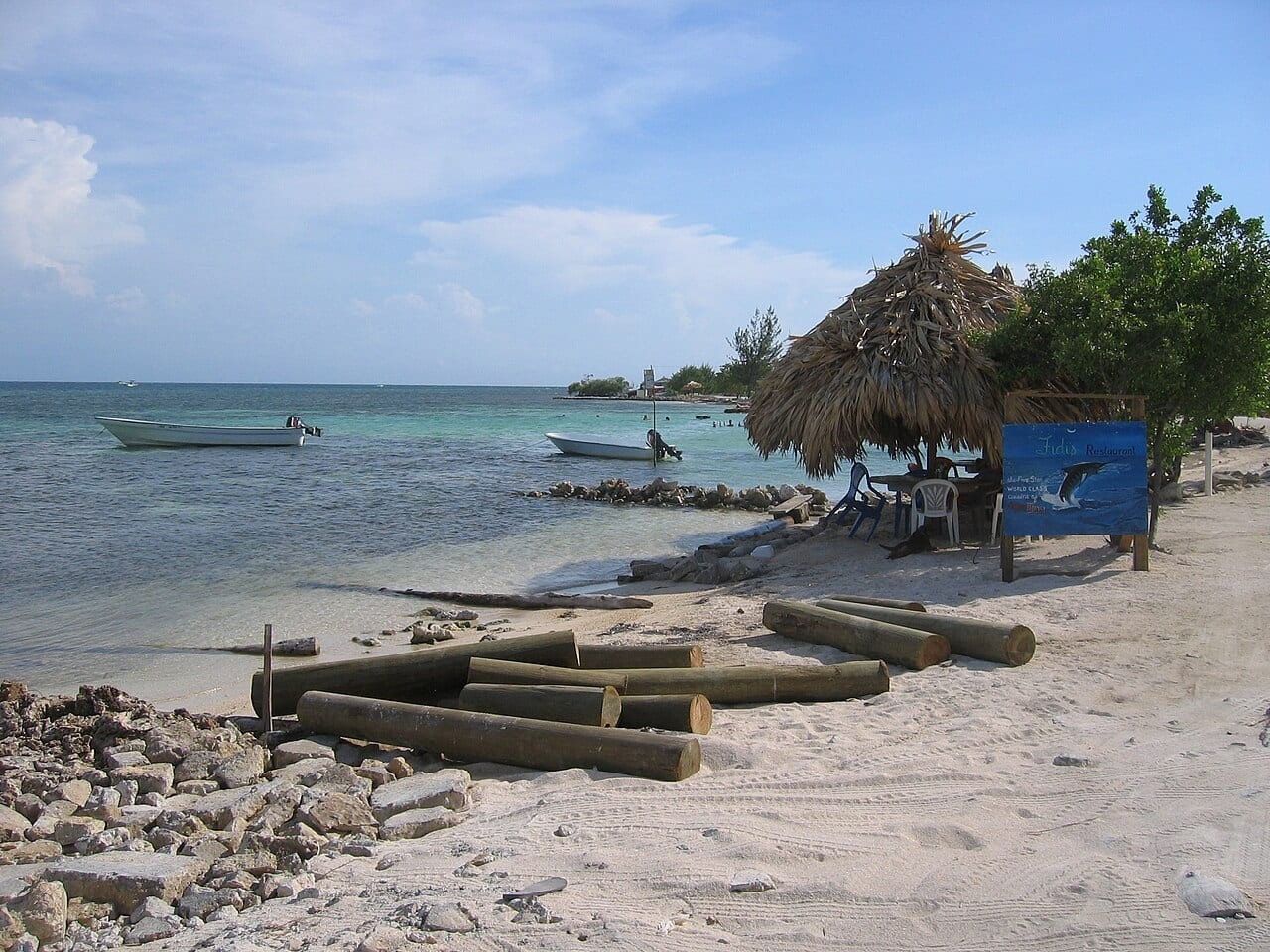
Utila is the smallest and most affordable of the three main Bay Islands, world-famous as a budget scuba-diving and whale-shark destination and a long-standing backpacker hub. It offers the lowest entry point in Honduras's Caribbean island market: the median property price is roughly US$59,800 with a median of about US$24 per sqft, while houses carry a median near US$359,000 (about US$1,924 per m²). Vacant lots start around US$30,000, and Bay Islands properties broadly span US$85,000-US$469,000. The market is thinner and more cash-driven than Roatán, so liquidity is lower and days-on-market longer, but the dive economy underpins consistent seasonal rental demand. Like Roatán, Utila prices and transacts in US dollars even though Honduras is not dollarized. Foreign ownership follows the same national framework: Decree 90-90 permits direct foreign ownership of one urban property up to 3,000 m², and a Honduran corporation is used for larger holdings and coastal parcels. Property tax is low at roughly 0.35% of assessed value. Investors typically target dive-shop-linked guesthouses, beachfront lots on the south shore, and town homes around East Harbour, where most services, dive operators, and rental demand concentrate. Yields on well-run dive-tourism rentals run roughly 6-9% gross.
Hong Kong City Guide
Hong Kong
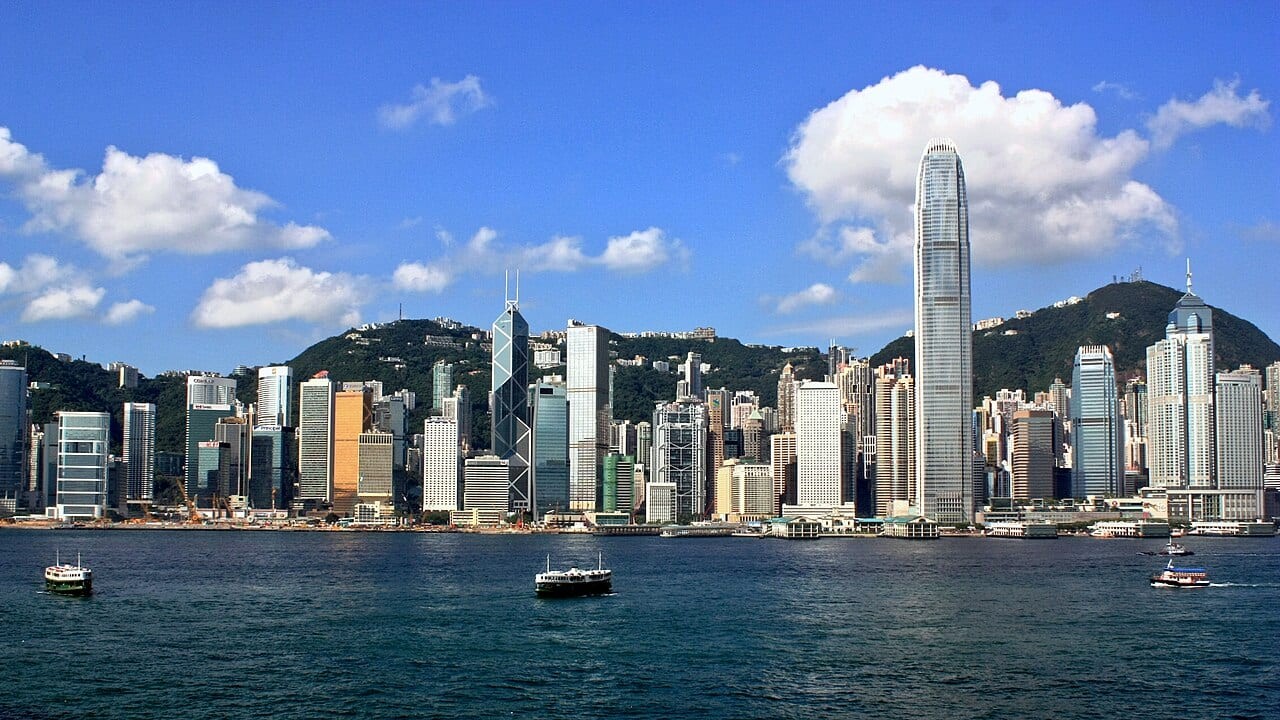
Hong Kong is a global financial hub and one of the world's most expensive residential markets, with prime districts among the priciest real estate on earth. Its currency is pegged to the US dollar at ~7.8, giving USD-based investors near-zero FX risk and making it a perennial safe-haven for capital. After a roughly 28–30% correction from the 2021 peak, prices bottomed in mid-2025 and have risen since, with institutional forecasts pointing to modest further growth. Crucially, in February 2024 Hong Kong abolished all extra demand-side stamp duties, so non-resident and additional-home buyers now pay only the normal ad valorem duty, materially lowering the cost of entry. Yields remain structurally low (~2–3.5%), so the thesis is capital and currency stability.