City guides
City guides (402)

Rotterdam
Netherlands
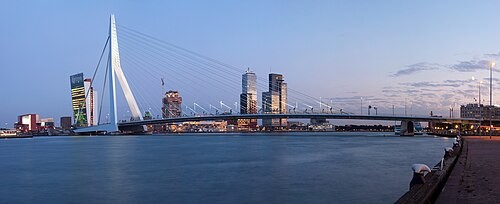
Rotterdam is Europe's largest port and the Netherlands' second city -- a working, gritty, architecturally bold counterpoint to Amsterdam's heritage charm. After WWII levelled the city centre, Rotterdam rebuilt as a showcase of modernist and contemporary architecture (Erasmus Bridge, Markthal, De Rotterdam, Cube Houses), giving it a distinct identity and tourist appeal. The property market offers 25-35% better value than Amsterdam on a price-per-square-metre basis: EUR 4,500-7,500 in central districts, with rental yields of 4.5-6.0% gross -- materially better than Amsterdam. Rotterdam has been the favoured Dutch alternative for value-focused international buyers since 2018, and prices have grown ~70% over the past decade. For international buyers, Rotterdam offers a working-port logistics economy (less cyclical than Amsterdam's tech/finance mix), strong tenant demand from Erasmus University students and port-related professionals, and English-friendly services. The same 2024 rent caps and 10.4% transfer tax apply as elsewhere in NL. Best suited for income-focused investors comfortable trading prestige for yield.
The Hague City Guide
Netherlands
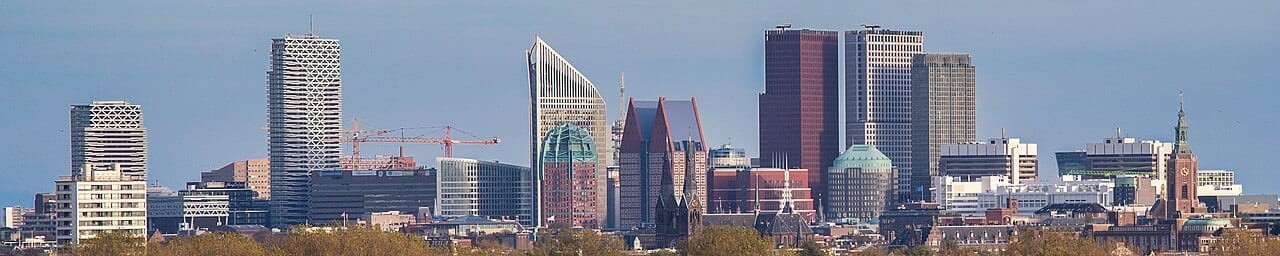
The Netherlands' seat of government and the international city of peace and justice, home to the International Court of Justice, Europol and more than 200 international organisations, The Hague offers investors a uniquely stable, expat-driven rental market on the North Sea coast. A vast civil-service workforce and a dense diplomatic community generate exceptionally durable demand, particularly in the elegant Statenkwartier and Archipelbuurt districts, where embassies and a walkable cosmopolitan character keep vacancy below 2% and 90–180 sqm apartments and townhouses range from €600,000 to €1,200,000. Among Dutch cities, The Hague stands out for income: its one-bedroom segment posts gross yields around 7.4% and monitored submarkets register the highest potential performance in the country at roughly 7.1%, well above Amsterdam, reflecting strong, government- and expat-anchored tenant demand against more moderate price levels. Major regeneration in the Central Innovation District (CID) and the former-industrial Binckhorst is expanding the supply pipeline and lifting demand. With Dutch national prices forecast to rise a moderate 4–5.5% in 2026 after the steeper gains of 2025, The Hague combines best-in-class Dutch rental yields, defensive tenant quality and steady appreciation, making it the country's standout choice for income-focused buyers.
Utrecht City Guide
Netherlands
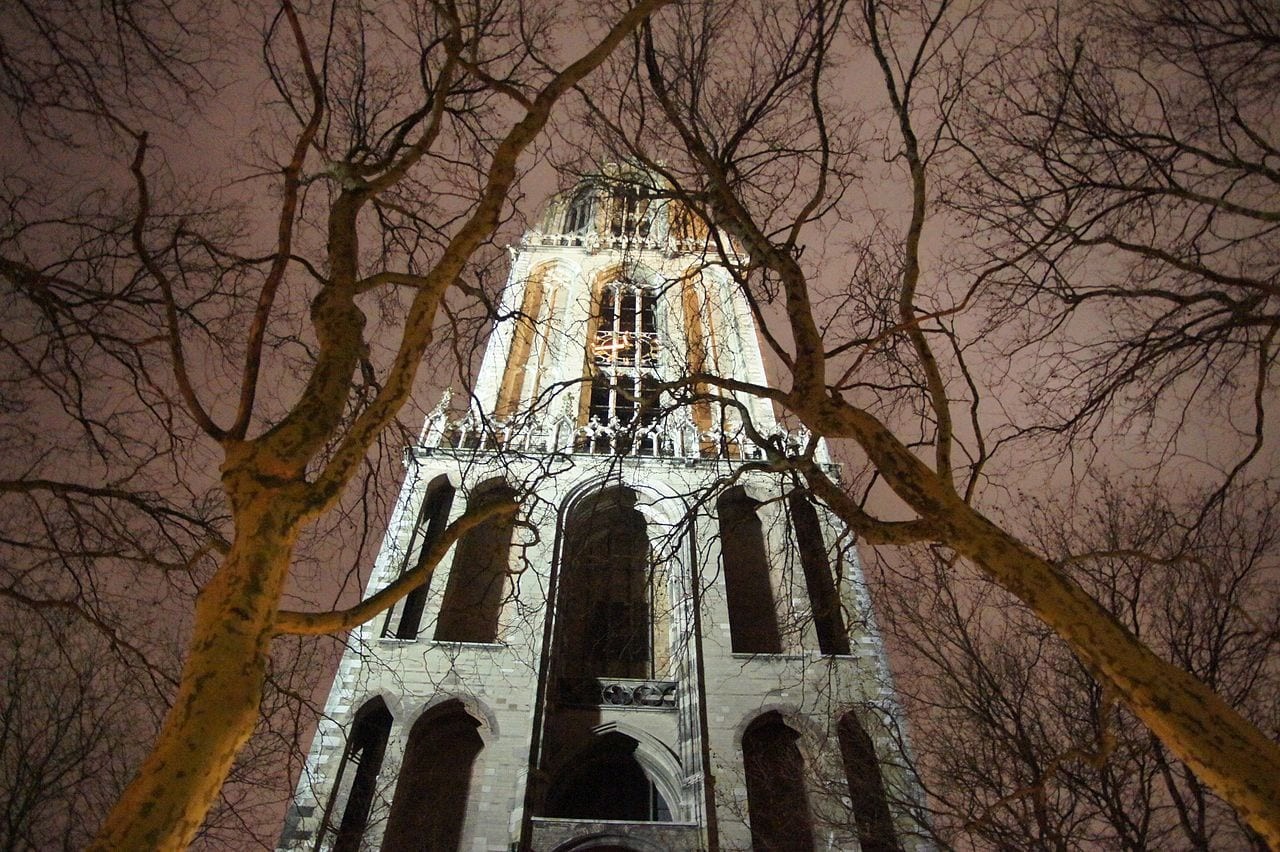
Sitting at the dead centre of the Netherlands and the country's main rail crossroads, Utrecht is the fastest-growing of the major Dutch cities and one of the most supply-constrained, a combination that has made it a standout for both rental yield and long-term capital appreciation. The medieval Binnenstad (old town), with its canal-level wharves, commands the highest prices at around €6,500 per square metre, while gentrifying districts like Lombok and family-friendly Wittevrouwen and Oog in Al offer relative value; the gap between the cheapest neighbourhood (Overvecht, near €4,000/sqm) and the priciest is roughly 60%. The median home price sits around €575,000, and properties typically sell about 8% above asking in a market where renter demand is outpacing new supply. Yields are strong by Dutch standards, studio and one-bedroom segments reach roughly 7.4% gross (with net yields of 4.8–6.3%), supported by a large student and young-professional population anchored by Utrecht University, the Netherlands' largest. The Merwede district buildout and the new Merwedelijn tram line are major catalysts adding thousands of homes and lifting connectivity. With national prices forecast to climb 4–5.5% in 2026 and the Utrecht region expected to outpace Amsterdam, the city offers investors a rare blend of high yield and durable growth.

Granada
Nicaragua
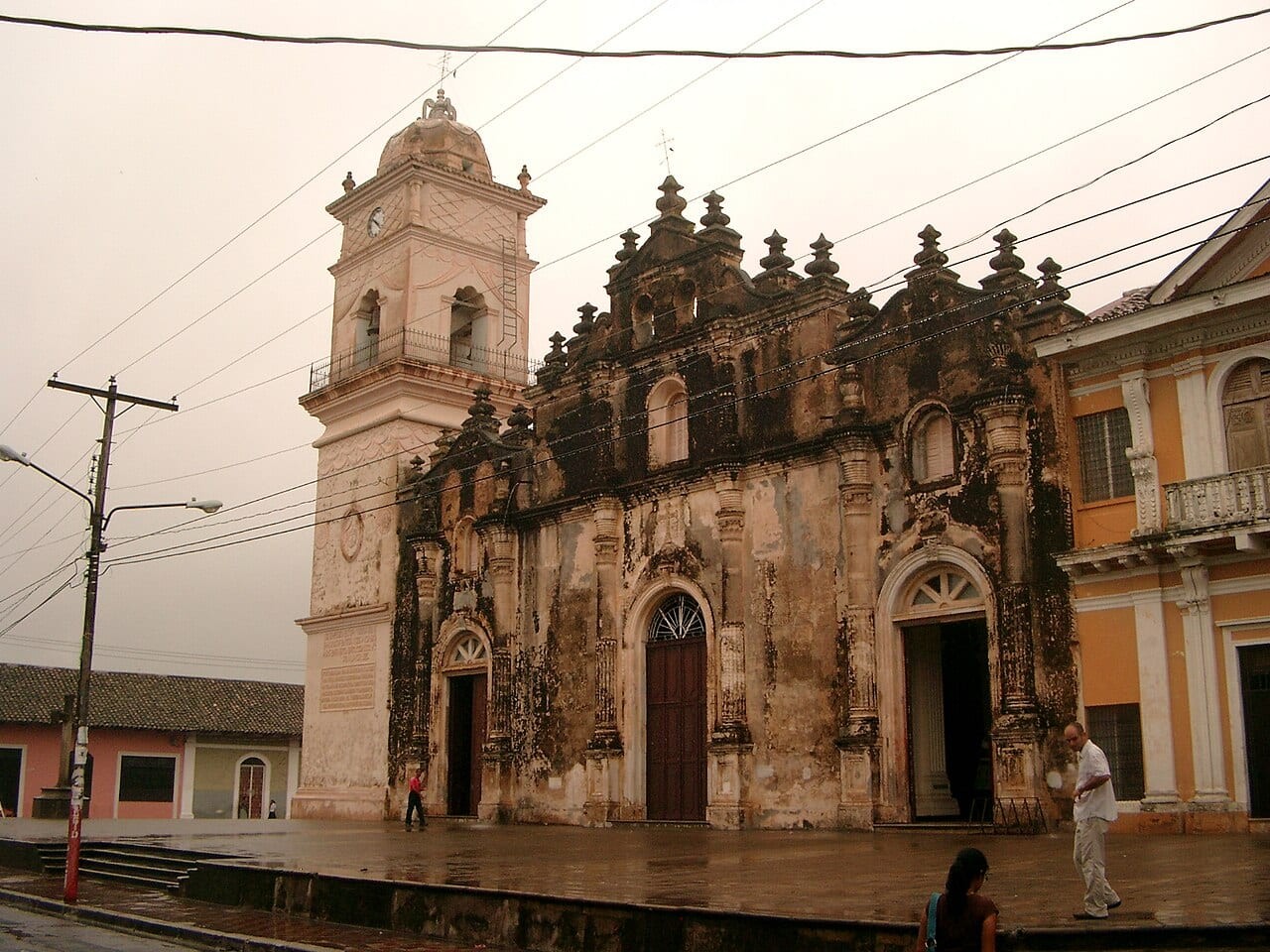
Granada is Nicaragua's marquee heritage market and the country's most established foreign-buyer destination. Founded in 1524 on the shores of Lake Cocibolca, its grid of cobblestone streets and pastel colonial facades draws retirees, lifestyle migrants and boutique-hotel operators. In 2026 restored colonial homes trade at roughly USD 878 per square metre on average, with premium Centro Historico properties commanding USD 1,150 to 2,200 per square metre; entry-level character homes still start near USD 60,000 while turnkey restored houses run USD 80,000 to 200,000 and trophy courtyard mansions reach USD 500,000. Short-term rental occupancy of restored homes sits around 60 to 70 percent at average daily rates of EUR 80 to 100, but net yields settle near 4 to 5 percent once management, maintenance of old structures and seasonality are counted, making Granada primarily a capital-appreciation and lifestyle play. The colonial core is forecast to grow 7 to 10 percent in 2026 and 35 to 50 percent cumulatively over five years on limited restored-home supply. Foreigners enjoy full ownership rights identical to nationals, no residency is required to buy, and property purchases of USD 50,000 or more qualify for Nicaragua's investor-residency program. Note the January 2025 currency law requiring domestic pricing in cordobas, though foreign-currency housing payments remain exempt.
León
Nicaragua
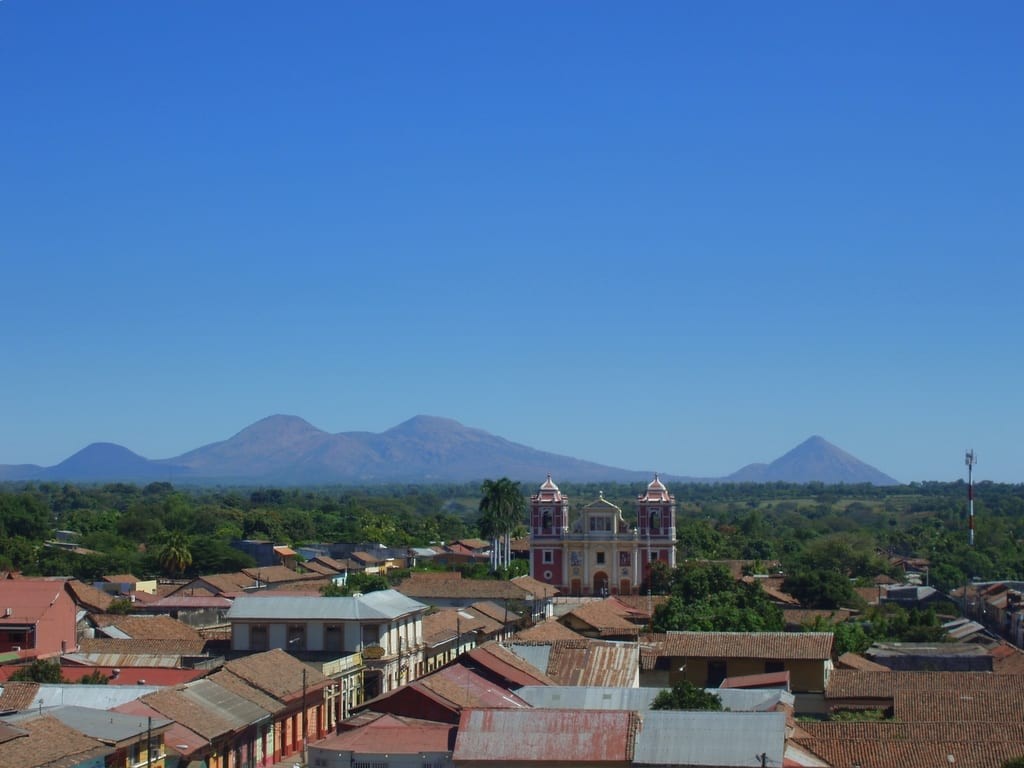
León is Nicaragua's cultural and university capital, a younger, more affordable and year-round-busy alternative to Granada anchored by the UNESCO-listed Basilica Cathedral, the country's largest, and the national university (UNAN-León). Its colonial historic centre, active arts and music scene and steady student population create a foundation of rental demand that Granada's tourism-led market lacks. Prices are meaningfully below Granada: entry colonial homes start near USD 60,000, restored character houses run USD 80,000 to 180,000, and per-square-metre values in the centre generally fall in the USD 600 to 1,100 range, below Granada's USD 878 average. Long-term rentals to students, faculty and professionals deliver steadier 6 to 7 percent gross yields with lower seasonality than tourist-dependent markets, while boutique-hotel and seasonal-rental conversions tap a growing tourism stream toward nearby Pacific beaches and the volcano-boarding scene at Cerro Negro. León's historic core is among the country's strongest long-term-rental demand zones and is forecast to share in the 5 to 7 percent national appreciation, with restored heritage supply tightening. Foreigners own property outright with full rights and no residency requirement; USD 50,000-plus purchases qualify for investor residency, and the January 2025 currency law permits foreign-currency housing payments.
Managua
Nicaragua
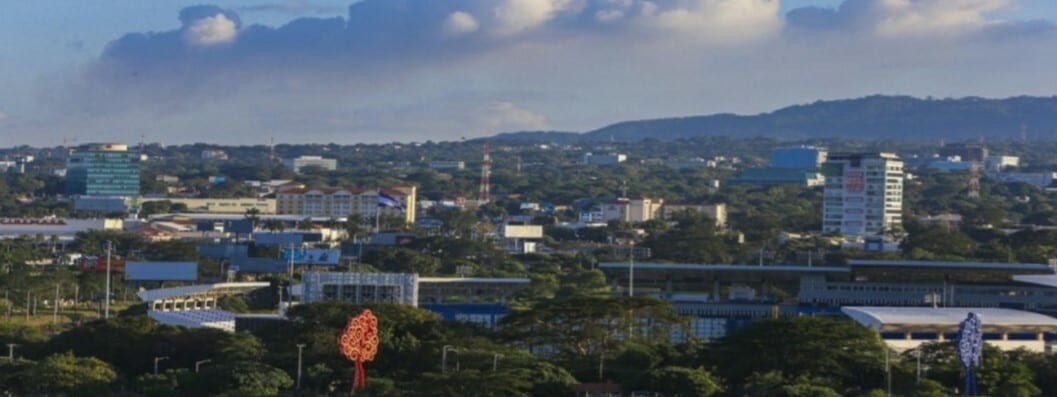
Managua, the capital and the country's economic engine, is Nicaragua's primary urban rental market, anchored by the secure Carretera a Masaya corridor where expat, corporate and diplomatic tenants concentrate. Citywide apartments average roughly USD 980 per square metre versus USD 700 for houses, but prime corridors such as Santo Domingo, Las Colinas and Villa Fontana command USD 850 to 1,700 per square metre, with Santo Domingo the only area clearly crossing the C$80,000-per-m² threshold. The national average property price sits near USD 105,000 in early 2026, with Managua prices up about 6 percent year on year in nominal USD terms. A typical two-bedroom apartment rents for around USD 520 a month, while premium Santo Domingo and gated-community units fetch up to USD 1,400-plus, producing the country's most reliable long-term rental yields of roughly 6 to 7.5 percent gross thanks to genuine year-round corporate and expat demand rather than seasonal tourism. The 12-month outlook is modest 3 to 7 percent appreciation, with prime urban segments capable of up to 10 to 12 percent. Foreigners own residential property outright with no nationality restriction or residency requirement, and a USD 50,000-plus purchase qualifies for investor residency; the January 2025 currency law mandates cordoba pricing domestically while exempting foreign-currency housing payments.
San Juan del Sur
Nicaragua
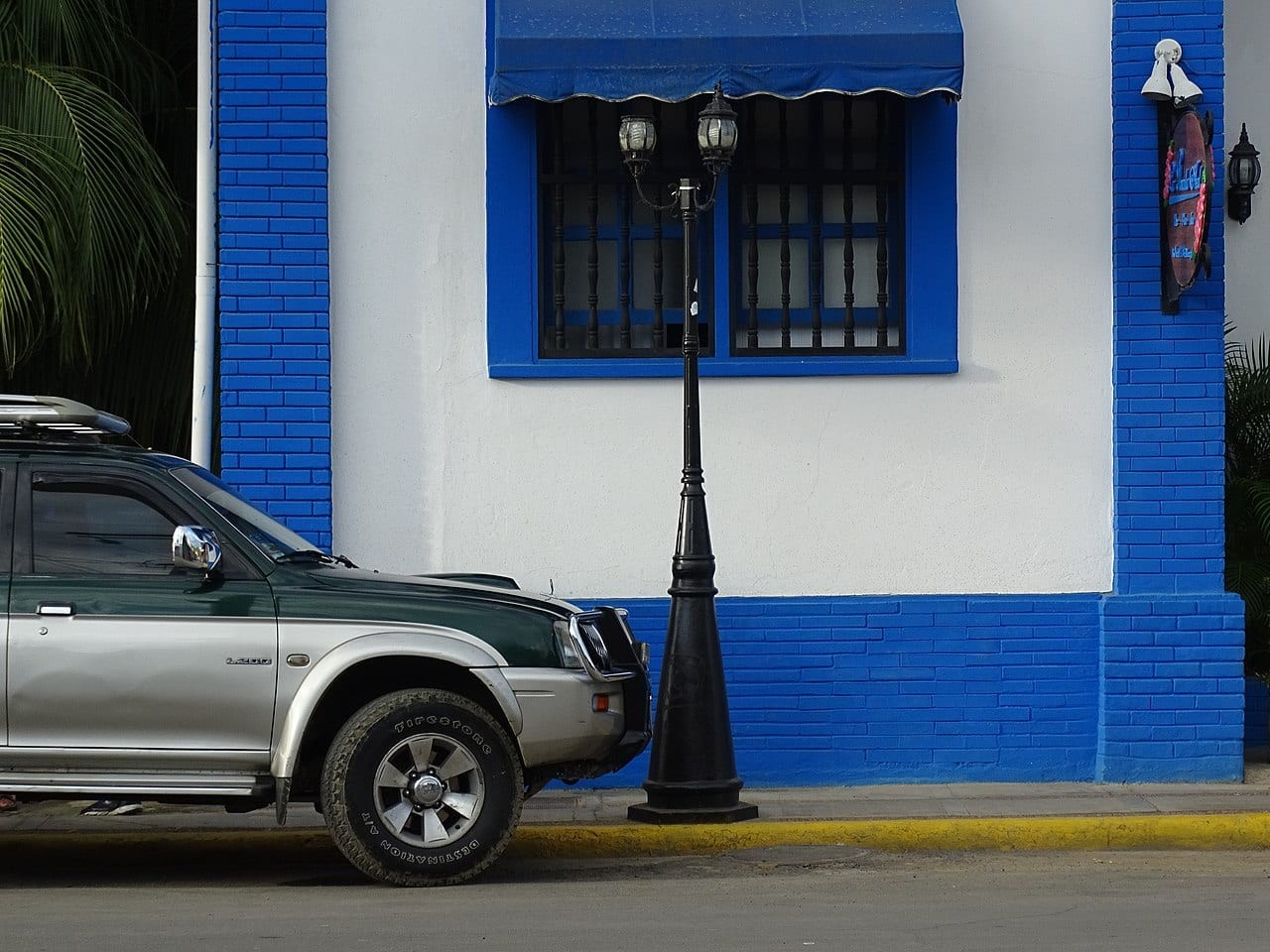
San Juan del Sur is Nicaragua's premier Pacific beach and surf market and the country's most internationalised coastal real-estate destination, anchoring the wider Rivas growth belt that extends north to Tola and Popoyo. In 2026 prices average around USD 2,200 per square metre, the highest in Nicaragua, yet remain a fraction of comparable Costa Rica or Panama coastline. The investor sweet spot runs USD 300,000 to 450,000 for a three- to four-bedroom ocean-view home with pool and modern finishes, while beachfront condos and smaller homes start at USD 150,000 to 250,000. Short-term rental nightly rates run USD 160 to 180 (top homes USD 379-plus), but tourist-hub STR occupancy sits at a realistic 30 to 33 percent, so gross yields land in the 6 to 7.5 percent national range and the asset is mostly a long-term capital-gains play, with Nicaragua's cumulative five-year price growth projected near 28 percent. Foreigners can own titled inland and hillside property outright with no residency requirement, and a purchase of USD 50,000-plus qualifies for investor residency, but buyers must respect Ley 690 coastal public-domain zones, where beach-frontage strips cannot be privately titled, and confirm the chain of title carefully on coastal parcels.

Skopje City Guide
North Macedonia
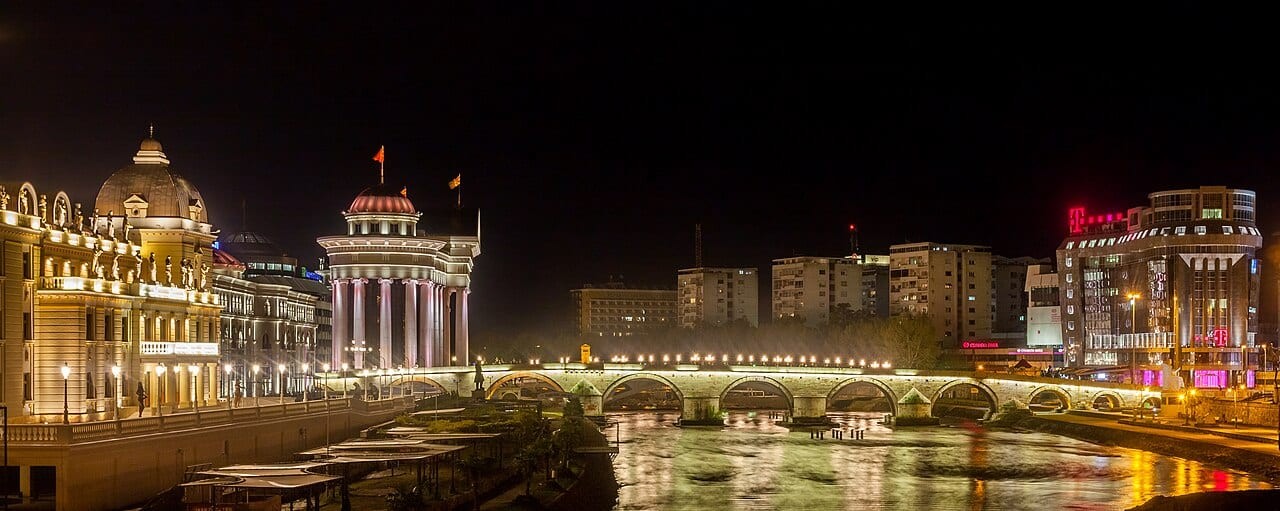
Skopje is the capital and largest city of North Macedonia, home to roughly a third of the country's population and the dominant centre of its economy, government, and the property market. Straddling the Vardar River and ringed by the surrounding Skopje Statistical Region, the city offers some of the most affordable capital-city pricing in the Western Balkans, with apartments averaging around €1,500–€1,800 per square metre and rising, the average asking price reached about €1,867/m² in mid-2025, up 5.6% year-on-year, and the Centar municipality commands the steepest prices, peaking near €2,960/m² in late 2025. What sets Skopje apart for investors is yield: gross rental yields range from roughly 4% to over 9% depending on district, averaging about 6.75% citywide, well above most EU capitals. Skopje led national sales activity with 304 apartment transactions in Q4 2025. The market benefits from EU-accession momentum, a low cost base, and the absence of restrictive foreign-buyer rules on apartments, but the risks include North Macedonia's stop-start EU path, currency and political uncertainty, and a relatively thin, locally-driven buyer pool.
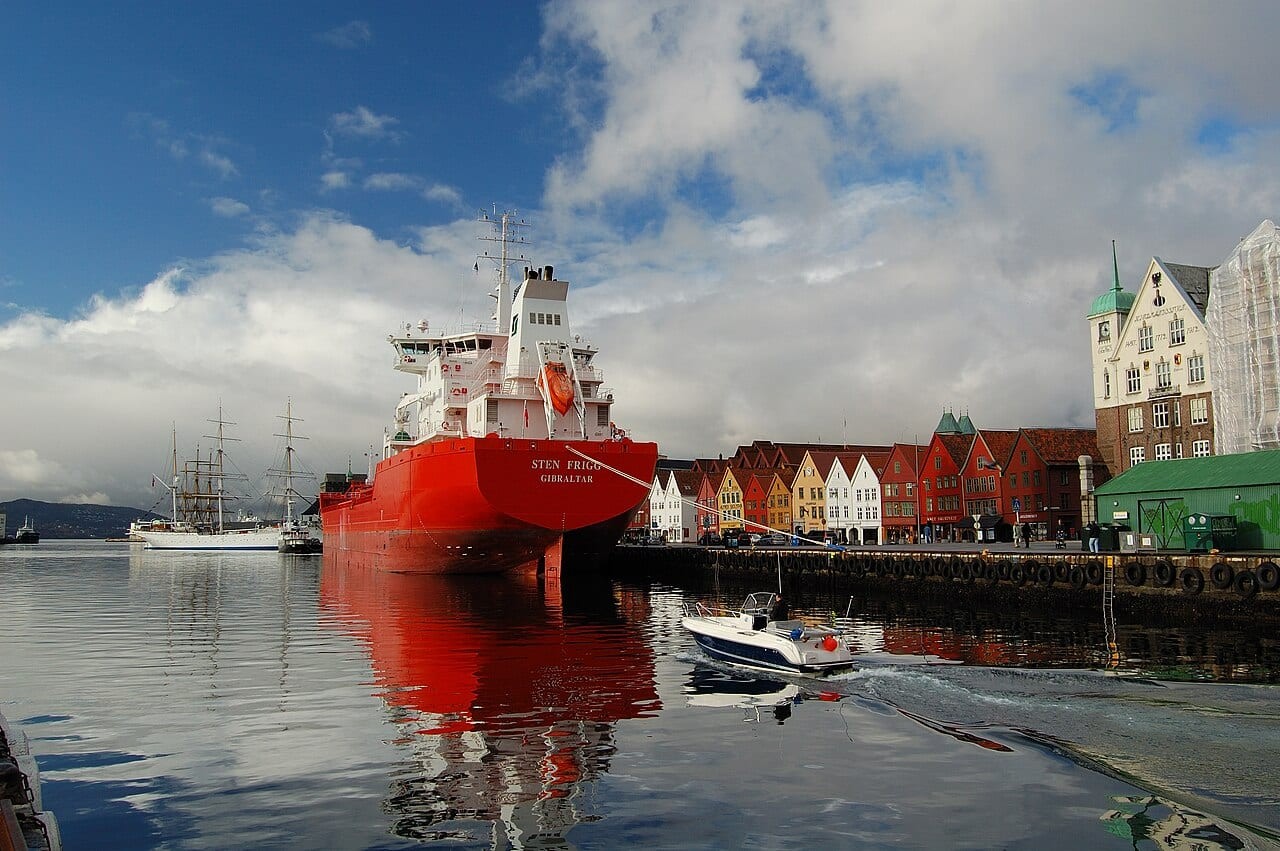

Bergen City Guide
Norway
Norway’s second city and the gateway to the western fjords, Bergen has quietly become one of the country’s strongest regional property markets. Surrounded by seven mountains and anchored by the UNESCO-listed Bryggen waterfront, the city pairs world-class livability with a resilient economy built on offshore energy, maritime services, seafood exports, and a growing university and tech sector. For investors the headline is momentum: Bergen prices rose roughly 10–11% in 2025, about double the national average, and analysts forecast a further 8–9% in 2026, comfortably outpacing Oslo’s projected ~5%. Demand is structurally supported by a young, education-driven population (the University of Bergen and several colleges feed constant rental need), one of Norway’s lowest unemployment rates in Vestland (~1.6%), and limited new supply hemmed in by the city’s mountainous topography. Central living centres on Bergenhus and the historic core, while better-value yields are found in well-connected non-prime districts such as Laksevåg, Fyllingsdalen, and Åsane. With a city population near 292,000 and a metro area of roughly 420,000, plus median days-on-market around 63 days signalling healthy liquidity, Bergen offers a high-conviction Nordic market, though entry prices and modest gross yields demand a capital-growth rather than cash-flow thesis.
Oslo
Norway
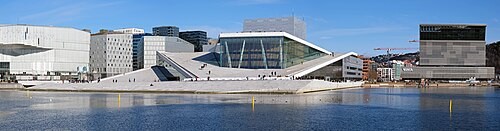
Oslo is Norway's capital and the centre of Europe's wealthiest sovereign-wealth-fund-backed economy. The city sits at the head of the Oslofjord, surrounded by forests and lakes, and has rebuilt its waterfront over the past 15 years into one of Europe's most ambitious urban regeneration projects (Bjorvika, Tjuvholmen, Sorenga). Residential prices in central Oslo (Frogner, Majorstuen, Grunerlokka, Sentrum) run NOK 75,000-115,000 per square metre (EUR 6,400-9,800), with gross yields of 3.5-4.5%. Norway is outside the EU (EEA only), uses the NOK rather than EUR, and has fully open foreign-buyer access -- making Oslo one of the simpler Nordic markets for international purchase. The Norges Bank cut rates 75bps in 2025 and is expected to continue easing through 2026. For international buyers, Oslo offers AA+ sovereign stability, strong English fluency, a high-income tenant base from oil/gas and the sovereign wealth fund ecosystem, and the lifestyle appeal of one of the world's most liveable cities. The catch: NOK volatility creates FX risk for EUR/USD investors, and high transaction costs (5-6% all-in).

Muscat
Oman
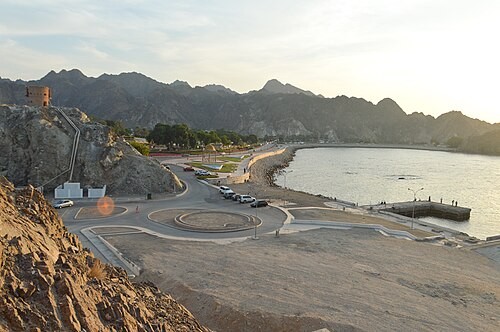
Muscat is Oman's capital, sitting along the Gulf of Oman with a distinctive low-rise architectural identity preserved by strict building-height regulations. Unlike its UAE and Saudi neighbours, Muscat has resisted high-rise development and retained a more traditional, family-oriented feel -- making it one of the Gulf's most distinctive markets. Residential prices in prime areas (Al Khuwair, Qurum, Madinat Sultan Qaboos, Shatti Al Qurum, The Wave) run OMR 700-1,400 per square metre (USD 1,820-3,640), with gross yields of 5.5-7.0%. Foreign buyers can purchase freehold in designated Integrated Tourism Complexes (ITCs) -- including The Wave Muscat, Al Mouj, and Jebel Sifah -- which also confer renewable Oman residency on holders. For international buyers, Muscat offers a calmer, family-friendly alternative to Dubai or Riyadh, residency-by-property in ITCs, USD-linked currency (OMR pegged at 0.385), and a well-regulated market. The catch: market depth is thinner than UAE markets, rental tenant pool is smaller, and resale liquidity outside ITC zones is limited.
Nizwa City Guide
Oman
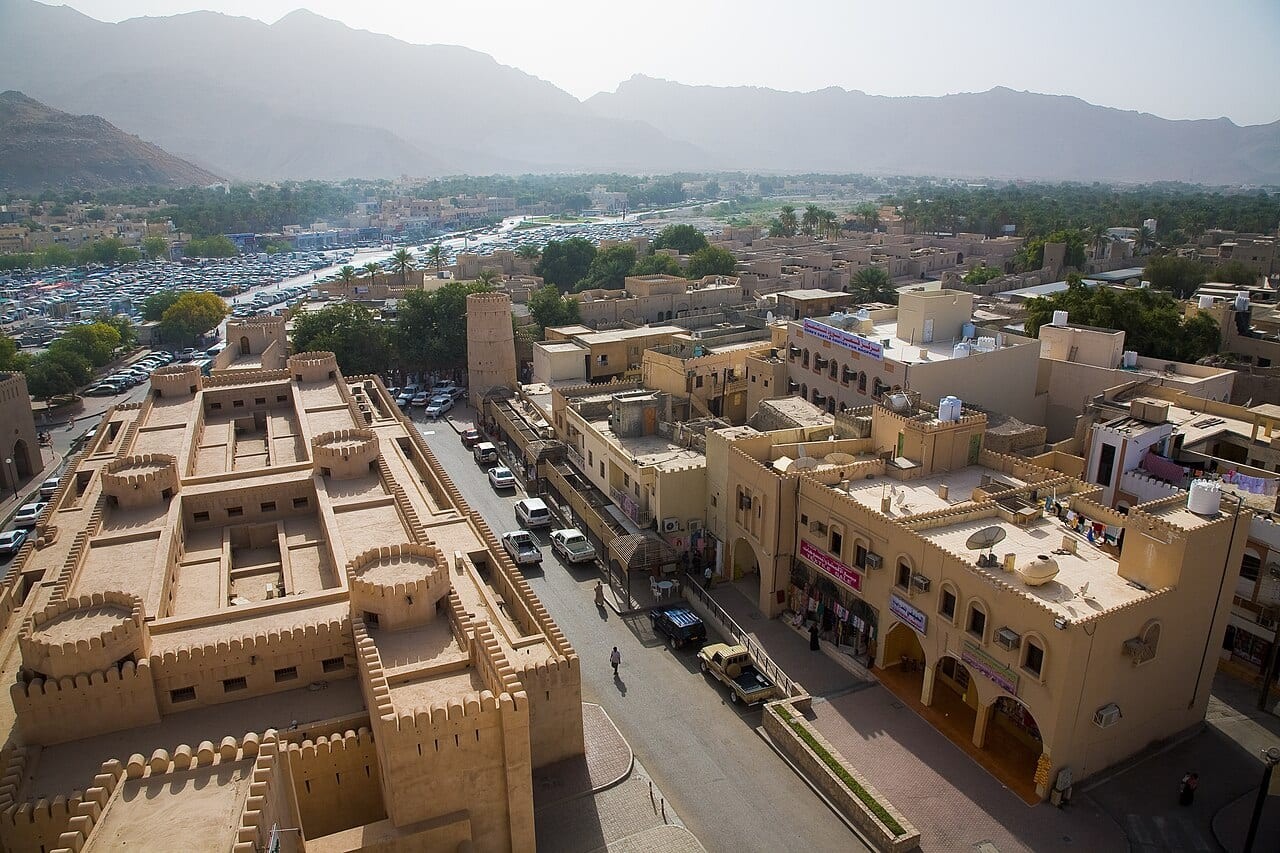
Nizwa, Oman's ancient capital in the interior Ad Dakhiliyah Governorate, is a heritage city famed for its 17th-century fort, its Friday livestock and silver souq, and its setting at the foot of Jebel Akhdar. Property is among the most affordable of any major Omani city and the market is dominated by Omani family housing and land, with cultural-tourism interest from boutique developers. Foreign buyers should note that Nizwa has no significant Integrated Tourism Complex stock, so non-Omanis generally cannot own freehold here and ownership is effectively limited to Omani nationals or, where permitted, long leasehold/usufruct. Returns are stable but slow: this is a long-hold, heritage-and-tourism play rather than a yield or appreciation story.

Salalah City Guide
Oman
Capital of Oman's southern Dhofar Governorate, Salalah is the Arabian Peninsula's most distinctive resort city, its Khareef monsoon turning the surrounding hills lush and green each summer and drawing waves of Gulf tourists to a coastline that contrasts sharply with the rest of the region's deserts. For foreign investors the gateway is the Integrated Tourism Complex (ITC) framework, principally the Hawana Salalah resort and Salalah Beach, where non-Omanis can own freehold apartments, chalets and villas and gain Omani residency on completion. Pricing in these flagship resorts runs at roughly USD 3,300-3,900 per square metre, with two-bedroom beachfront villas around USD 440,000. Prime Omani locations including Salalah have seen values rise about 5.7% a year, and Dhofar is forecast to post Oman's fastest growth, a roughly 7.8% CAGR through 2031, powered by the 7.3 km2 New City Salalah masterplan and its 12,000 planned homes. Holiday rentals in Hawana Salalah generate a realistic 7-10% gross yield in season, and Oman levies no property income or sales tax, making Salalah a tax-efficient, tourism-led Gulf alternative to Muscat and Dubai.
Sohar City Guide
Oman
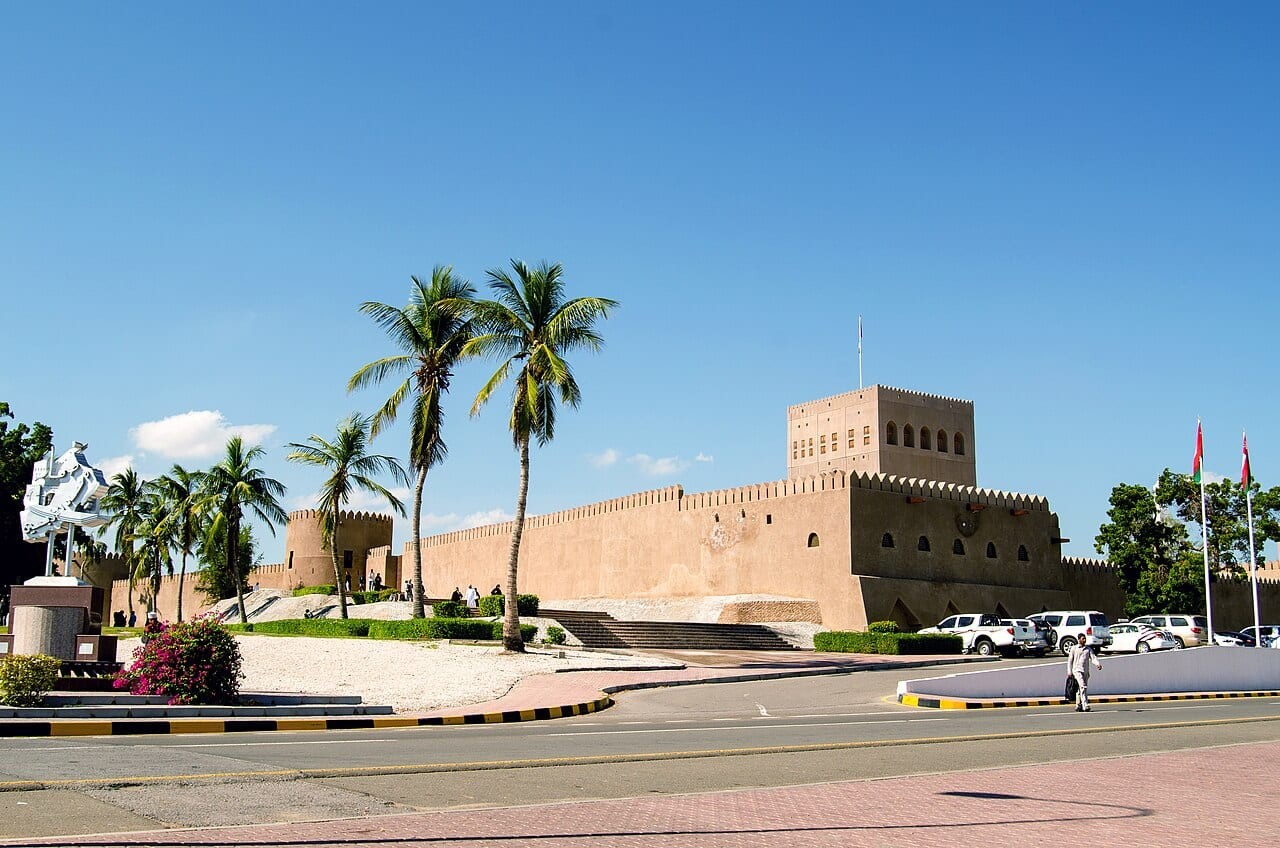
Sohar is the capital of Al Batinah North and Oman's leading industrial port city, anchored by the Port of Sohar and its adjacent free zone, which handle roughly 60 million tonnes of cargo a year and host more than RO 2.3 billion of committed investment. Property here is more affordable than Muscat, with residential pricing of roughly USD 1,300-1,800 per square metre, and rental yields generally run 5-8% gross driven by industrial-sector employment. Foreign buyers must be realistic, however: outside designated Integrated Tourism Complexes (ITCs), non-Omanis cannot own freehold land in Sohar, so most of the city remains Omani-ownership or leasehold/usufruct, and the freehold route depends on future ITC-grade resort projects rather than the existing housing stock.

Boquete City Guide
Panama
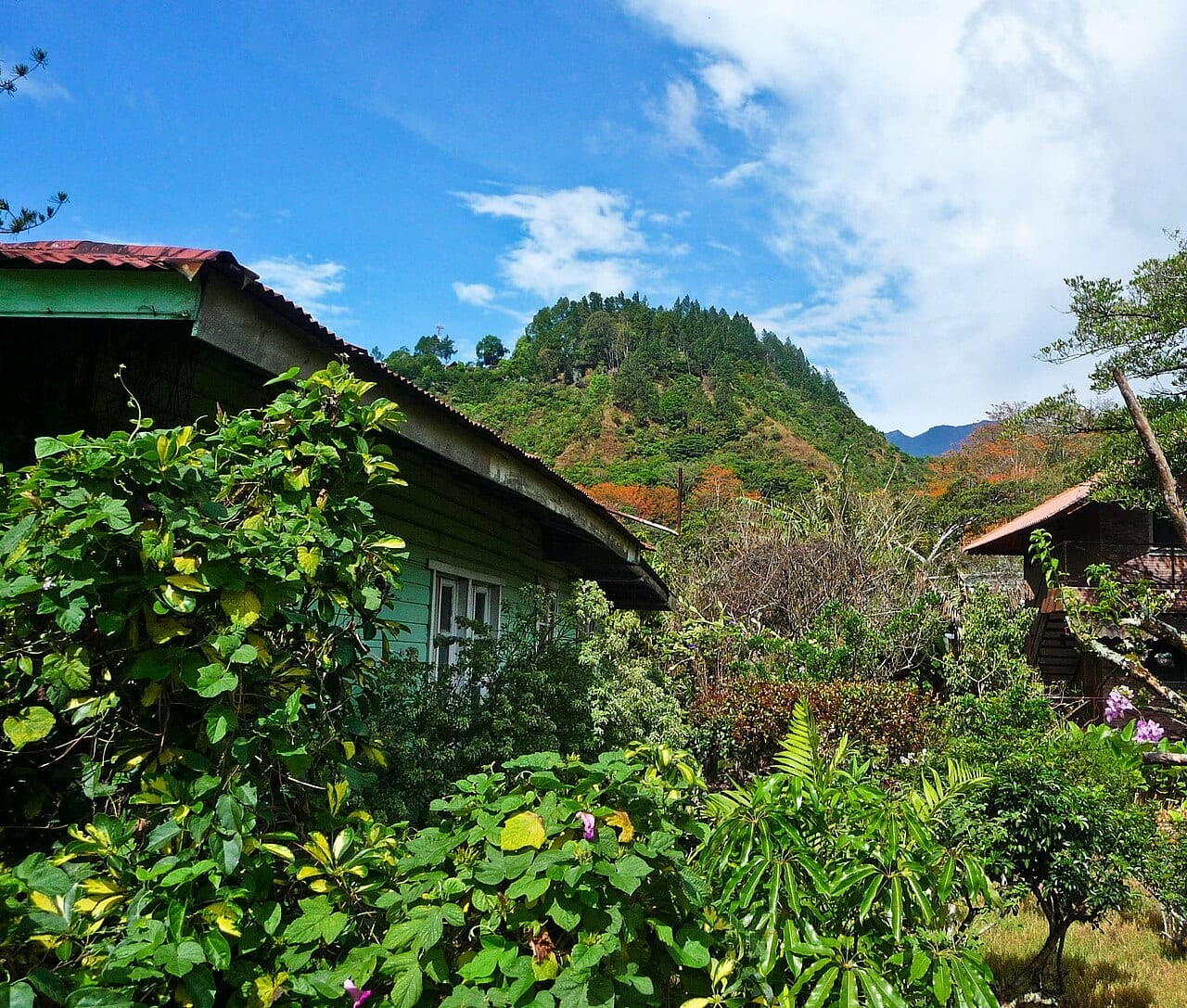
Perched at around 1,000-1,200 metres in the Caldera River valley of Panama's western Chiriqui province, in the shadow of the Baru volcano, Boquete is Central America's best-known highland expat and retiree destination. Its spring-like climate, lush coffee-growing landscape and high quality of life draw a steady stream of North American and European retirees, remote workers and lifestyle buyers, expats make up an estimated 10-15% of the roughly 25,000-strong area population. The market spans from modest local-style homes around USD 100,000-180,000 to mid-tier mountain-view properties at USD 200,000-500,000 and luxury gated-community villas selling at roughly USD 1,800-2,800 per square metre; the median sale price sits near USD 249,000. Panama uses the U.S. dollar as legal tender, eliminating currency risk for dollar-based buyers, and allows foreigners to own titled property outright without a local partner or prior residency. With limited new inventory, resale prices for villas and boutique cottages have been rising around 6% annually into 2026. Gross rental yields run roughly 4-6%, supported by seasonal North American winter tourism and year-round Airbnb demand near the town centre. Panama's Pensionado and Qualified Investor visa programmes, the latter's USD 300,000 real-estate threshold set to rise in late 2026, reinforce Boquete's appeal as a lifestyle-and-residency play.
Panama City
Panama
Panama City is Central America's most cosmopolitan and most internationally connected capital -- a dollarised financial hub with a Singapore-like skyline along the Panama Bay, anchored by the Panama Canal, the Colon Free Zone, and one of Latin America's most active banking sectors. The city has long attracted retirees on the Pensionado Programme, finance professionals, and capital seeking dollar-denominated emerging-market exposure. Residential prices in prime districts (Costa del Este, Punta Pacifica, San Francisco, El Cangrejo, Bella Vista) range from USD 2,000-4,500 per square metre, with gross yields of 6-9%. Panama uses the US dollar as its currency (alongside the symbolic Balboa), eliminating FX risk entirely for USD-based investors -- a rare feature in Latin America. For international buyers, Panama City offers USD-denominated everything, open foreign ownership, the Pensionado retiree visa (renewable, generous benefits), and a deep institutional banking sector. The catch: tropical climate (hot/humid year-round), some areas overbuilt during the 2010s boom, and rental tenant pool is thinner than Mexico City.

Arequipa City Guide
Peru
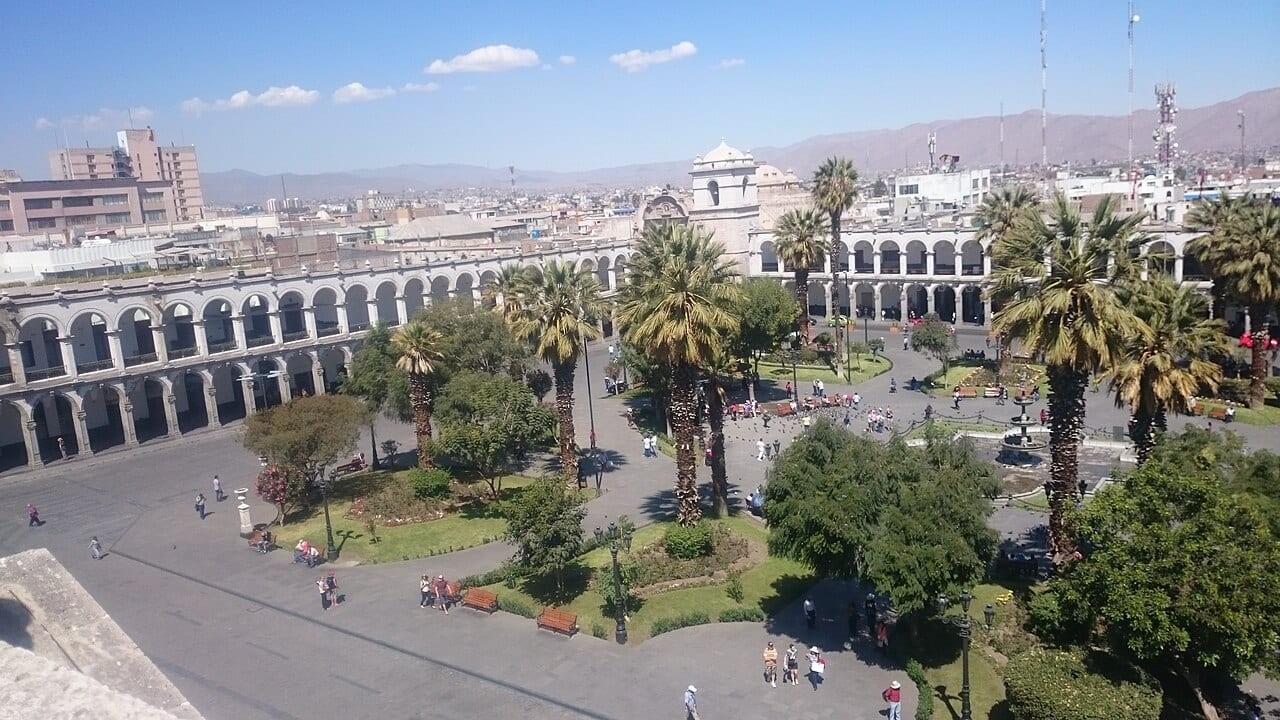
Arequipa is Peru's 'White City' (Ciudad Blanca), a UNESCO World Heritage historic centre built from pearly volcanic sillar stone and framed by the snow-capped Misti volcano, alongside Chachani and Pichu Pichu. As Peru's second city and the commercial hub of the south, it pairs a deep domestic owner-occupier base with strong tourism anchored by the 16th-century Santa Catalina Monastery and its role as gateway to the Colca Canyon. For investors it offers entry prices roughly 30–45% below prime Lima with comparable build quality, a stable USD-priced premium market, and demand split between expats/professionals and a growing middle class, rewarding buyers who target the established northwest residential belt.
Cusco
Peru
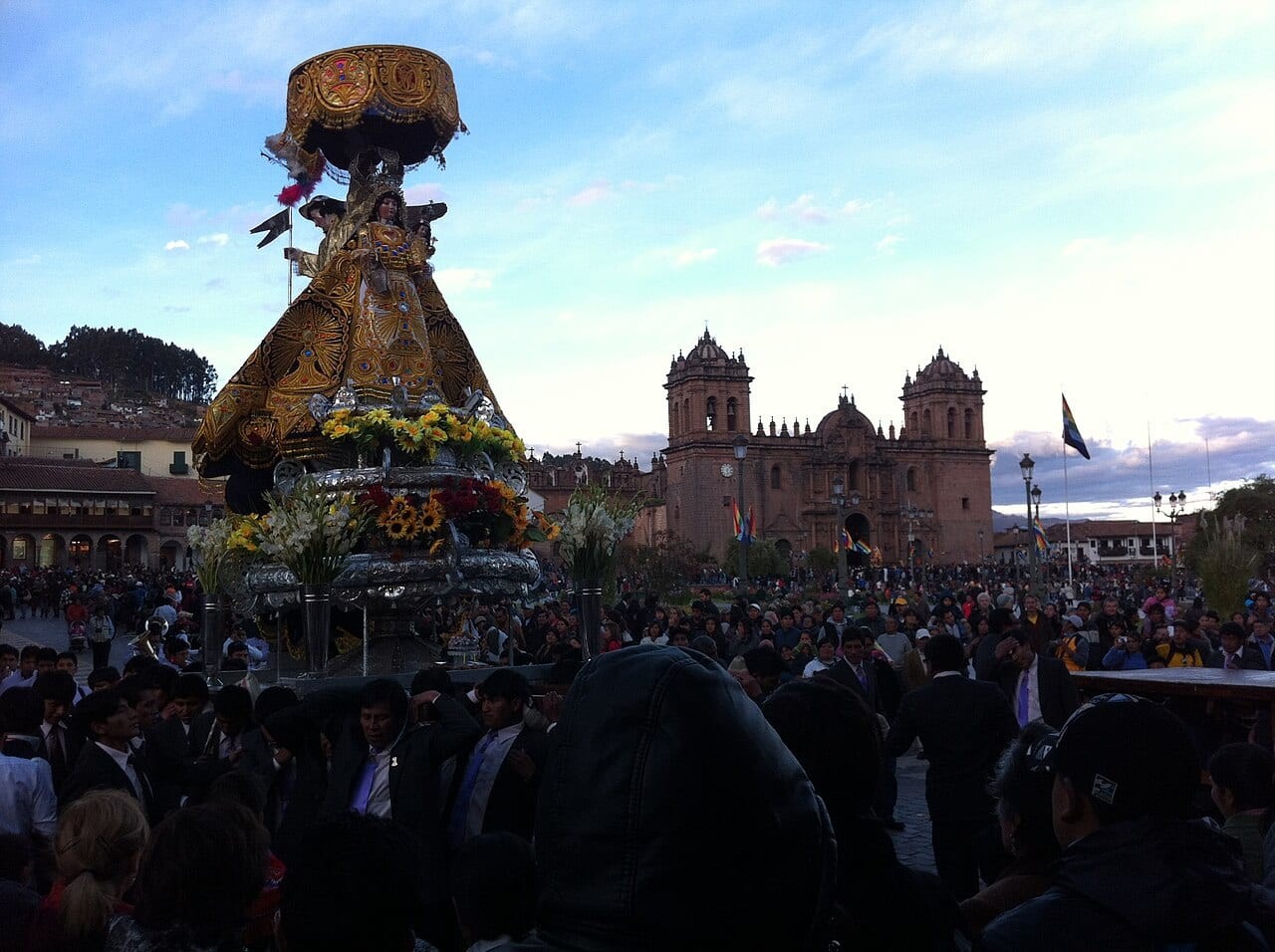
Cusco, the ancient Inca capital and UNESCO World Heritage gateway to Machu Picchu, is one of Peru's most distinctive investment markets, driven almost entirely by tourism. In 2026 residential prices average roughly USD 900-1,200 per square meter, well below Lima's coastal premiums, while urban land in secondary zones trades at USD 80-250 per square meter. Long-term gross rental yields run just under 6%, but apartments and casonas in the Centro Historico configured for short-term tourist and digital-nomad rentals frequently clear 8-12% gross at the cost of pronounced June-August seasonality. Year-on-year price growth sits in the 3-5% range for the broader Cusco metro, with stronger appreciation in walkable heritage pockets where supply is constrained by strict renovation rules. Peru offers foreign buyers full freehold ownership registered at SUNARP with the same protections as nationals; Cusco sits far inland and is unaffected by the constitutional 50km border-zone restriction. Investors should budget for heritage-building permitting in protected areas and factor occupancy volatility tied to the tourist calendar. The metro population is around 450,000, anchored by year-round visitor flows of over two million tourists, a captive student base, and a growing remote-worker community drawn by climate and connectivity.

Lima
Peru
Lima is Peru's capital and economic engine, a Pacific-coast metropolis of roughly 11.5 million people whose clifftop districts of Miraflores and Barranco overlook the ocean along the Costa Verde. It is the core of Peru's property market, supported by one of Latin America's most stable currencies, low inflation and a structural housing deficit. The investor market concentrates in a handful of affluent, walkable districts, where gross yields average around 6.5% and prices have grown modestly in real terms. Lima's world-renowned dining scene and scarce ocean-view land sustain premium demand, while a tightening construction pipeline and the coming Metro Line 2 underpin the medium-term outlook.
Máncora
Peru
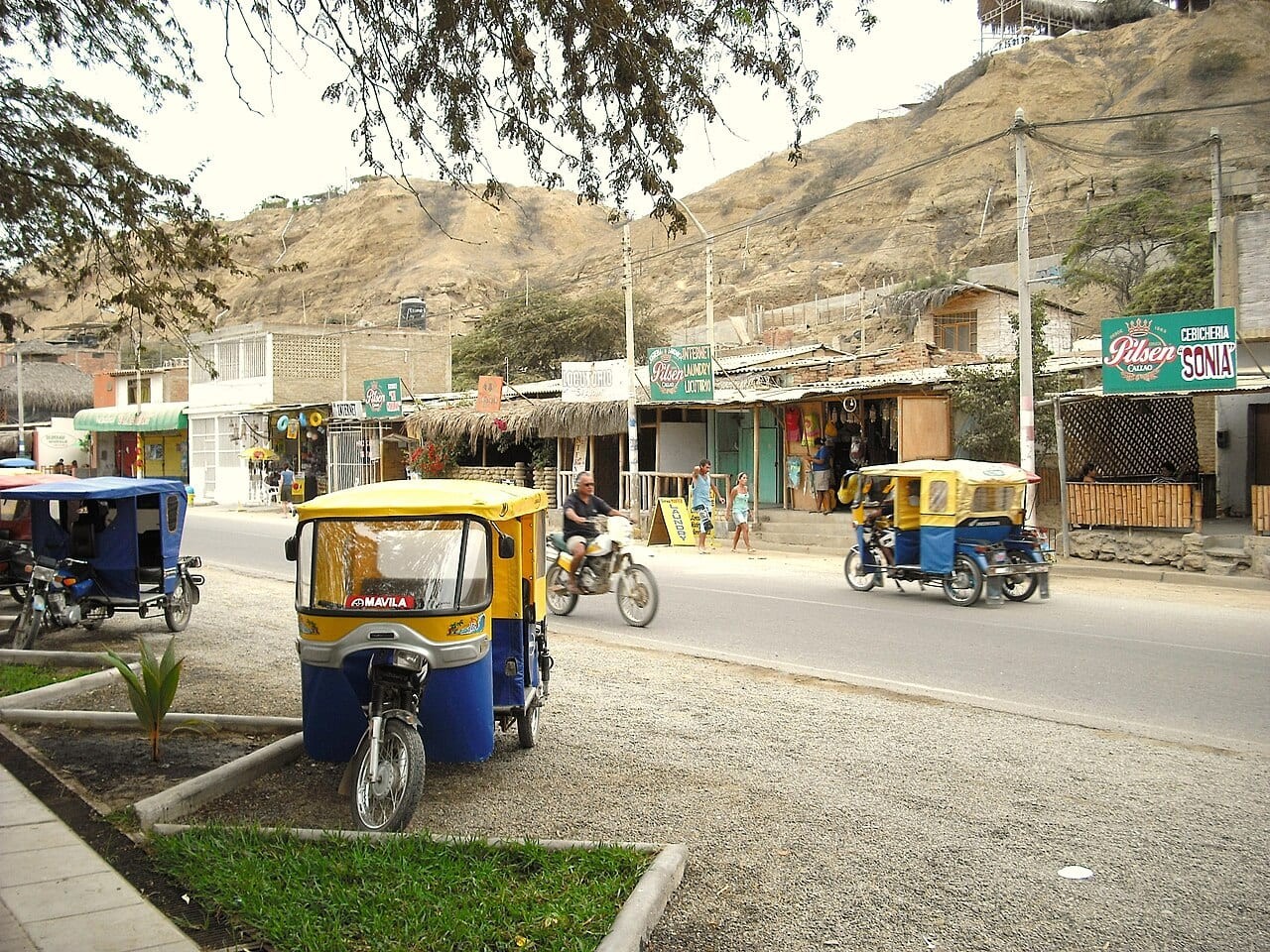
Máncora is Peru's premier beach resort town, a sun-soaked surf destination on the northern Pacific coast prized for year-round warm water, consistent swell and a hospitality economy that runs on tourism. The market is small and resort-driven: beachfront and ocean-view villas in exclusive enclaves like Las Pocitas and Vichayito command the premium, while the lively town strip offers cheaper entry. In 2026 quality beachfront construction trades broadly at USD 1,200-2,000 per square meter, with prime Las Pocitas land and finished villas well above that. The economics center on vacation rentals: nightly demand from domestic and international travelers supports gross yields commonly in the 6-8% band, and higher for well-managed boutique stock, though occupancy is seasonal and weather-sensitive. Peru grants foreign buyers full freehold title registered at SUNARP; Máncora lies in Piura region but comfortably south of the 50km Ecuador-border restricted zone near Tumbes, so standard ownership applies, though buyers must verify clean titles and beach-zone setbacks. Year-on-year appreciation runs in the mid-single digits as Peru's north-coast tourism expands. The resident population is modest, around 13,000, swelling sharply in the high season and around long weekends.