City guides
City guides (402)
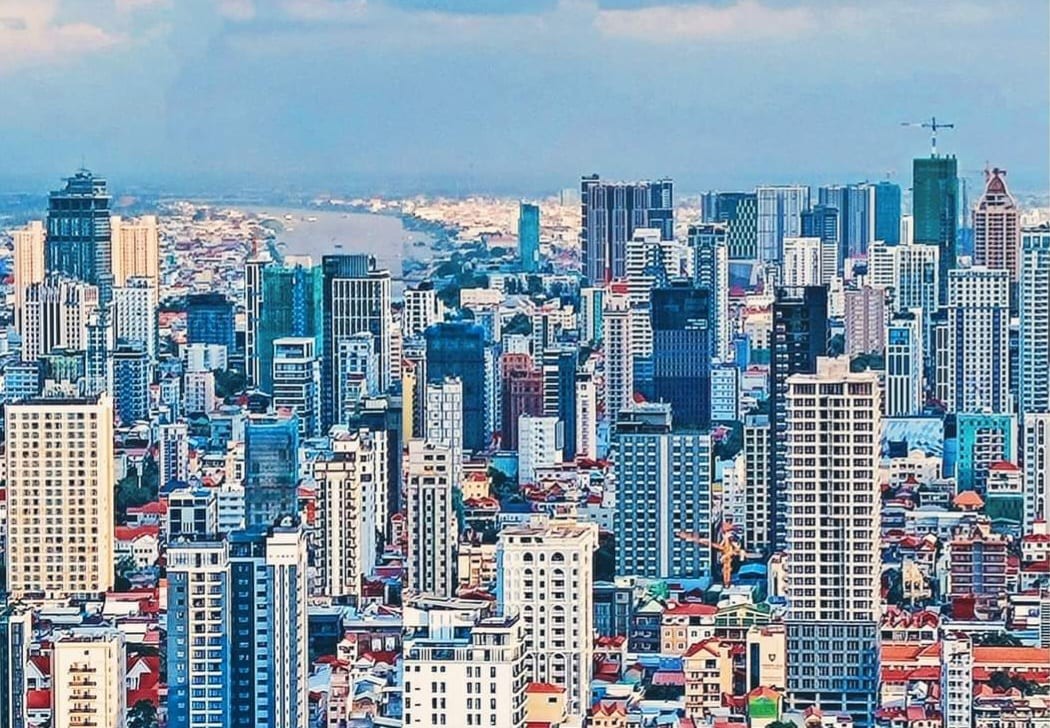

Phnom Penh City Guide
Cambodia
Cambodia's riverside capital is Southeast Asia's most accessible high-yield condominium market, built on a US-dollar economy that shields foreign buyers from currency risk and a strata-title regime that allows full foreign ownership of units above the ground floor. The investment map centres on Chamkar Mon, which contains the blue-chip BKK1 district where premium developments average USD 2,800-3,500 per square metre, alongside the riverfront Daun Penh quarter and the emerging 7 Makara growth zone. Entry-level stock sits at a far more accessible USD 1,500-2,200 per square metre, while prime prices stabilised around USD 1,800-2,400. After a subdued first half, the high-end segment showed clear recovery signals in late 2025, with average prices rising roughly 5% year-on-year to surpass USD 2,800 per square metre in Q4. Total condo supply reached nearly 80,000 units as vacancies eased toward 15% per project. With net rental yields among the highest in the region, typically a realistic 6-8%, Phnom Penh remains a yield-led play for investors comfortable with an oversupplied but recovering, dollarised frontier market.
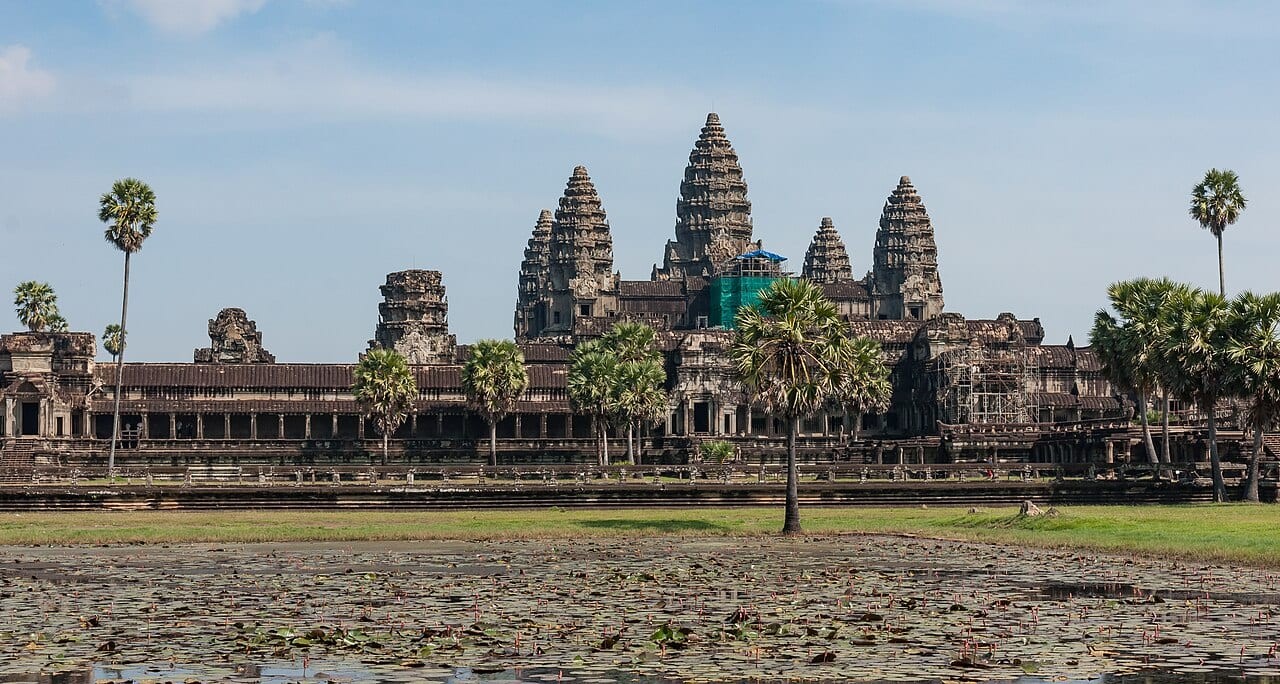
Siem Reap City Guide
Cambodia
Gateway to the Angkor Wat temple complex, Siem Reap is Cambodia's premier tourism city and a low-rise property market shaped by heritage-protection rules that cap most buildings at six storeys to preserve the spiritual skyline. That height restriction limits vertical supply and channels investment toward boutique hotels, serviced villas and short-stay accommodation around the Old Market (Pub Street) core, the Wat Bo and Sala Kamreuk riverside areas, and the airport road toward the new Siem Reap-Angkor International Airport. Residential land in 2024 traded at roughly USD 100-150 per square metre, and the market is running hot in 2025: residential prices are rising an estimated 8-10% year-on-year, with condos up around 8% and luxury villas climbing 15-20%, while short-let occupancy reached an impressive 85%. Realistic gross rental yields sit in the 6-8% range. The new international airport, which moved flights away from the temples, is the central catalyst, and analysts project continued 8-10% annual growth in the near term, making Siem Reap a tourism-led growth story for investors comfortable with a small, seasonal market.

Montreal
Canada
Montreal is Canada's second-largest city and the cultural capital of French-speaking North America, a metropolitan area of around 4.6 million people that has become the best-performing major housing market in the country. More affordable than Toronto or Vancouver, it combines a deep student and talent base, McGill, Concordia, UdeM and UQAM, with a creative economy and a distinctive European character in neighbourhoods like the Plateau and Old Montreal. Crucially for foreign investors, Quebec imposes no provincial foreign-buyer tax, a relative advantage over British Columbia and Ontario, although the federal foreign-buyer ban still applies. While Toronto and Vancouver correct in 2026, Montreal is forecast to keep growing.
Toronto
Canada
Toronto is Canada's largest city and financial capital, anchoring a metropolitan area of roughly 7.1 million people and home to the Toronto Stock Exchange and the country's major banks. It is the deepest, most liquid property market in Canada, spanning a dense downtown condo market, established residential neighbourhoods and fast-growing transit corridors. For international investors the city is defined as much by regulation as by fundamentals: the federal foreign-buyer ban applies in full (Toronto is a Census Metropolitan Area), and Ontario's 25% Non-Resident Speculation Tax plus the City of Toronto's 10% municipal NRST stack to a 35% surcharge where a purchase is permitted. 2026 is a reset year, with prices down mid-single digits year-on-year and elevated condo inventory shifting leverage toward buyers, even as multi-decade-low condo starts point to a future supply squeeze.

Vancouver
Canada
Vancouver is Canada's Pacific gateway and most expensive housing market, a metropolitan area of roughly 3.1 million people set between the ocean and the North Shore mountains. Its property market spans glass-tower condos in Coal Harbour and Yaletown, beachside Kitsilano, and dense transit-oriented corridors. For international investors the city is heavily regulated: the federal foreign-buyer ban applies (Metro Vancouver is a Census Metropolitan Area), British Columbia adds a 20% foreign-buyer tax in the region, and the Speculation & Vacancy Tax rises to 3% for foreign owners in 2026. The market is in a 2026 reset, with the benchmark down nearly 7% year-on-year and a further decline forecast, giving buyers leverage while supply scarcity and the coming Broadway Subway underpin the long run.

Praia City Guide
Cape Verde
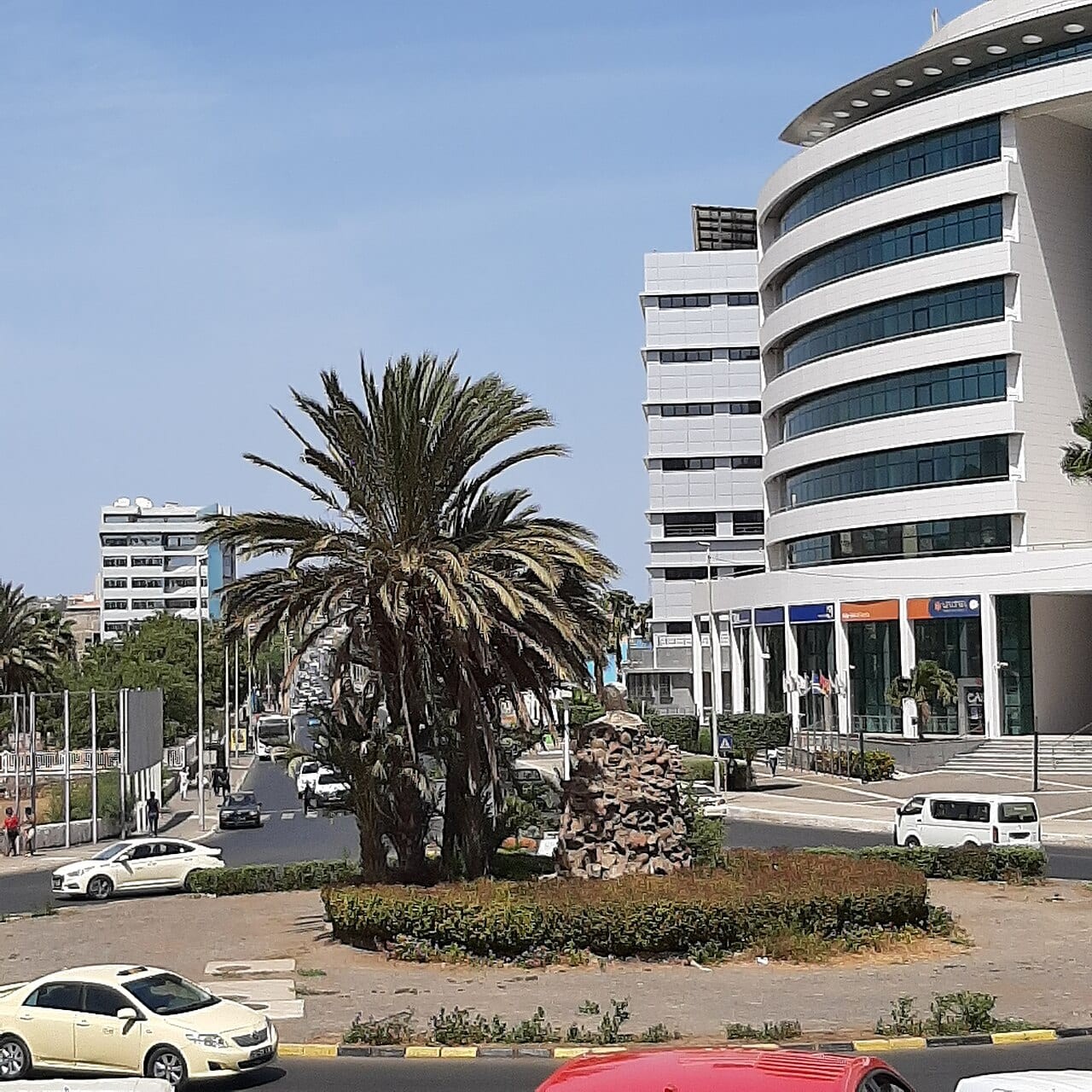
Praia is the capital and largest city of Cape Verde, sitting on the south-east coast of Santiago, the archipelago's biggest island, and serving as the nation's administrative, commercial, and political nerve centre with a population of roughly 160,000–168,000. Unlike the holiday-resort islands of Sal and Boa Vista, Praia's property market is driven by the administrative and corporate economy: long-term residential rentals to diplomats, business professionals, and government officials anchor steady demand, alongside a growing urban middle class. Average prices across Cape Verde run roughly €1,200–€1,650 per square metre, with seafront apartments achievable around €100,000 and citywide values rising at an estimated 5% a year. Rental yields in Praia commonly sit in the 6–8% range, supported by structural urban demand rather than seasonal tourism. The wider country is in the midst of a tourism boom, over 900,000 arrivals in 2023 against a population of around 560,000, which is reshaping the archipelago, though Santiago captures a smaller share of holiday visitors than Sal. The main risks are the small, illiquid market, the economy's dependence on tourism and remittances, and water/infrastructure constraints common to Sahelian island states.
Concón
Chile
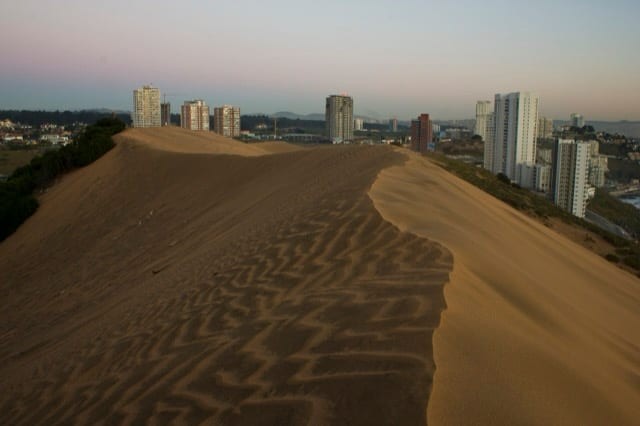
Concón is a fast-growing Pacific coastal city at the northern end of Chile's Greater Valparaíso conurbation, just north of Viña del Mar, celebrated for its dramatic sand dunes, surf beaches and a renowned seafood-restaurant strip. With around 50,000 residents and a steady inflow of Santiago second-home buyers and retirees, Concón has evolved from a weekend escape into one of central Chile's most dynamic apartment markets. New beachfront and hillside condos trade at roughly USD 2,300-2,700 per m2, with prime ocean-view units higher and inland stock from USD 1,900 per m2; buildable coastal plots near amenities run USD 250-500 per m2. Gross rental yields average about 4.3%, ranging from 3.9% to 4.7% across sectors, with strong seasonal short-let demand in summer. Concón is forecast among Chile's best growth markets, with apartment prices expected to rise 6-10% over 2026, roughly double the national average, as Metro Valparaíso extension benefits and relative affordability versus Viña del Mar draw buyers; the Bosques de Montemar sector ranks among the country's top areas for projected five-year cumulative growth of 30-50% in UF terms. Foreigners buy freely in Chile with the same rights as citizens and only a RUT tax ID required; note that public coastal land within 5 km of the shore is reserved for Chilean owners, but privately titled urban apartments and lots, the bulk of Concón's market, are fully open to foreign purchase.
Frutillar
Chile
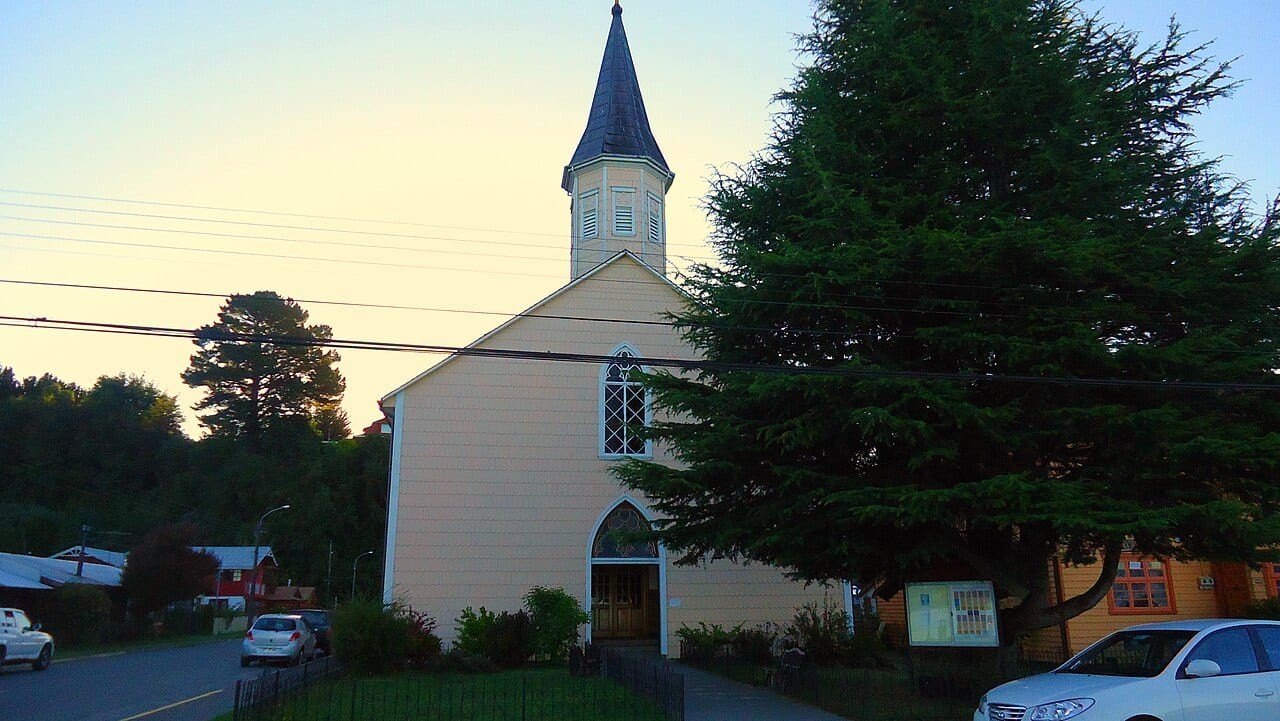
Frutillar is a lakefront town on the western shore of Lake Llanquihue in Chile's Los Lagos Region, famous for its German colonial architecture, the Teatro del Lago concert hall and uninterrupted views of the Osorno and Calbuco volcanoes. The town splits into Frutillar Bajo, the historic waterfront tourist core, and Frutillar Alto, the larger service-and-residential hub by the highway. With roughly 18,500 residents and a strong cultural-tourism economy anchored by the annual Semanas Musicales festival, Frutillar has become one of southern Chile's most sought-after second-home and boutique-hospitality markets. Lakefront apartments in Frutillar Bajo trade around USD 1,150-1,450 per m2, while houses average closer to USD 600-750 per m2 across the wider commune; prime lakeshore land with private beach access commands USD 250-450 per m2. Gross rental yields run a modest 4.0-5.0% on long lets but climb sharply for well-run seasonal short-term rentals during the December-March high season. Year-on-year price growth has held around 5-6% in UF terms, slightly above the national pace. Foreigners face no ownership restrictions in Chile and enjoy the same property rights as citizens, needing only a RUT tax ID; Frutillar lies well inland, so the 5km coastal and 10km border public-land limits do not apply here, making it one of Patagonia-adjacent Chile's most accessible lake-district entry points.
Iquique
Chile
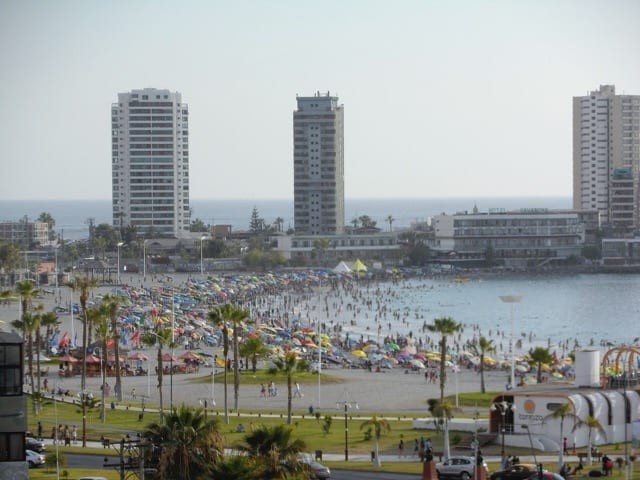
Iquique is a northern Chilean port city of around 230,000 in the Tarapacá Region, wedged between the Pacific and the towering coastal cliff, and built on the wealth of the historic nitrate era and today's ZOFRI free-trade zone. Its golden beaches, above all Playa Cavancha, paragliding cliffs and duty-free commerce make it both a tourism magnet and a commercial hub. The beachfront high-rise market is the most established in the north: apartments trade around USD 1,900-2,300 per m2, with Cavancha ocean-view units higher and inland stock from USD 1,500 per m2. Gross rental yields are attractive by Chilean standards at roughly 4.5-5.5%, lifted by ZOFRI worker demand and summer tourism that fuels strong short-let occupancy along the beach. Year-on-year price growth has tracked 3-7% in UF terms, in line with the national 2026 outlook. Foreigners enjoy full ownership rights in Chile with only a RUT tax ID required; however, Iquique sits in a northern zone near the Peru and Bolivia borders, so under Decreto Ley 1.939 nationals of bordering countries face restrictions in declared border areas, and public land within 5 km of the coast is reserved for Chilean owners, though titled urban apartments, which dominate the Cavancha market, remain fully open to all foreign buyers.
La Serena
Chile
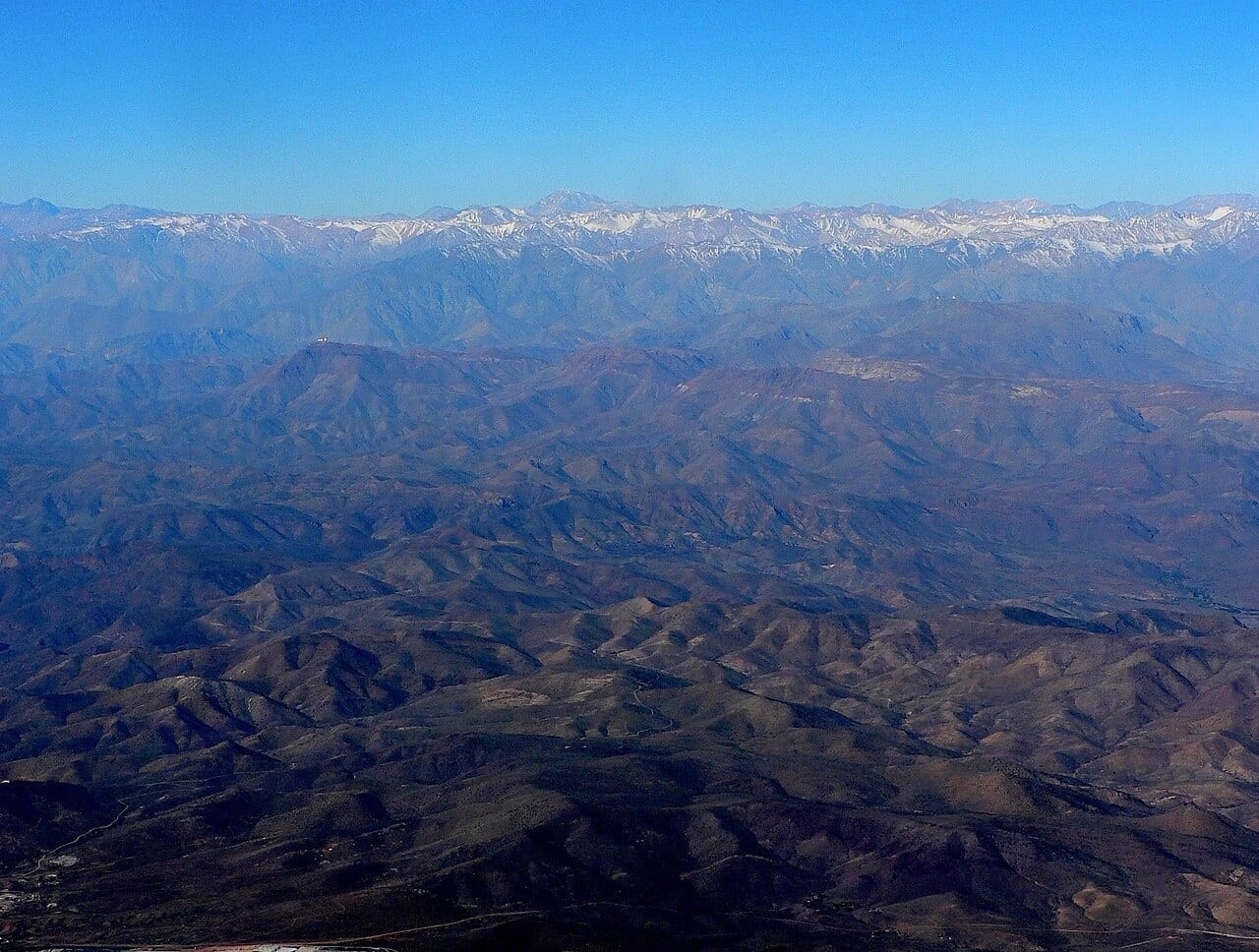
La Serena is Chile's second-oldest city and the colonial-architecture jewel of the north, paired with a six-kilometre beach strip (Avenida del Mar) and the clearest skies on Earth for astrotourism in the nearby Elqui Valley. A major domestic summer destination whose population roughly doubles in peak season, it anchors the Coquimbo conurbation with strong, seasonal short-let demand. Prices sit near USD 2,150/m² - roughly 27-32% below Santiago and about 20% under the national urban average - while gross rental yields run 4.7-5.2%, around the national mean (Chile's average gross yield was about 4.8% in 2025). Price growth has settled into a sustainable 2-3% nominal annual pace after the prior boom. Foreigners hold full freehold title identical to Chileans, permanently registered at the Conservador, with no residency requirement and only the usual border-zone caveat (irrelevant here). The investment case is value plus seasonal yield: affordable entry relative to central Chile, a doubling summer population that powers beachfront Airbnb, colonial-heritage scarcity in the historic centre, and astrotourism-and-mining-driven regional demand that together support dependable income and steady appreciation in a stable, lower-volatility market.
Pucón
Chile
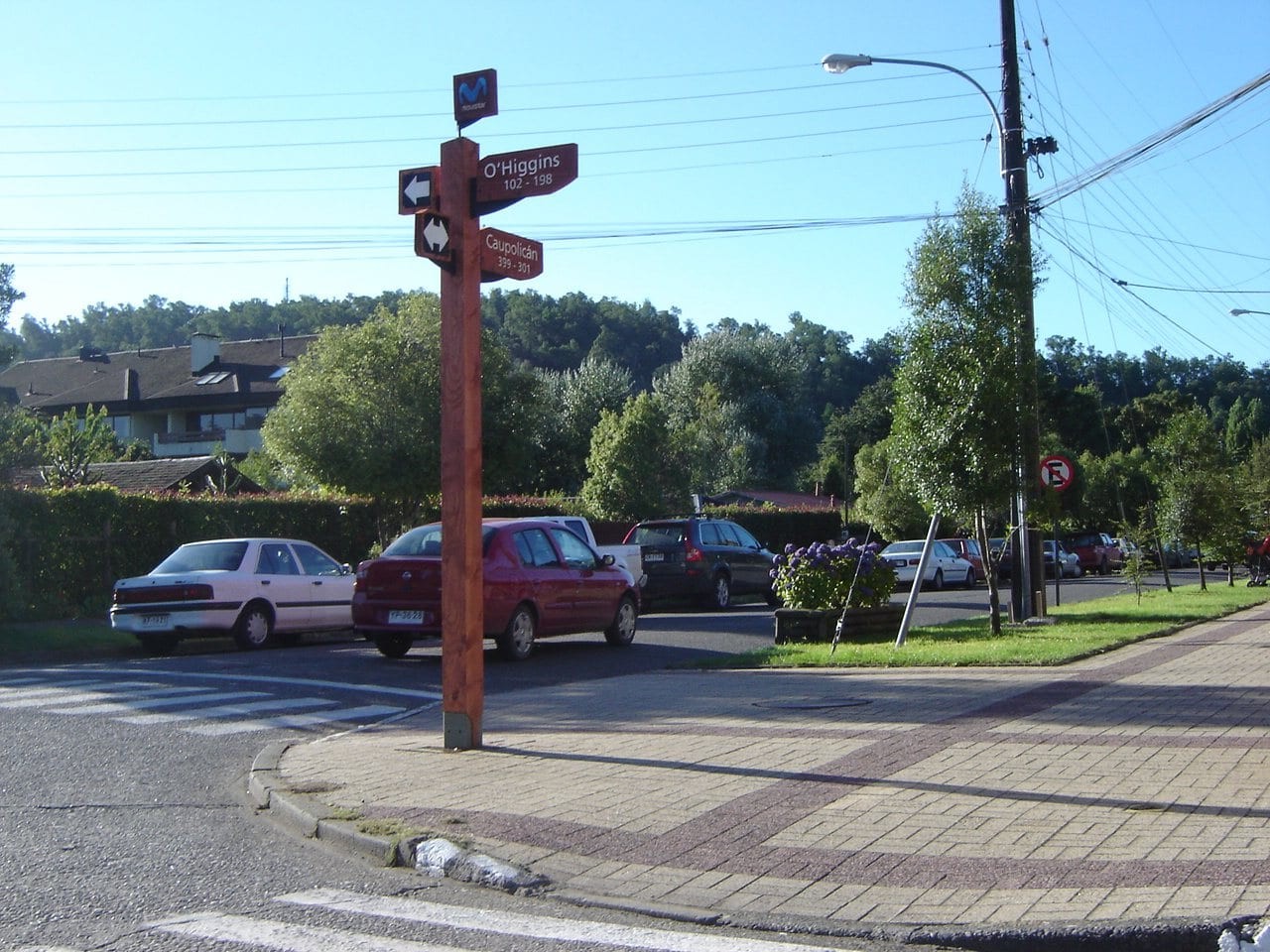
Pucón is Chile's premier adventure-tourism resort town, set on the black-sand shores of Lake Villarrica beneath the snow-capped, active Villarrica Volcano in the Araucanía lake district. Year-round demand - summer watersports and beaches, winter skiing, plus rafting, trekking and hot springs - makes it one of the country's strongest vacation-rental markets. The median sale price sits near CLP 17 million per unit with land and homes averaging roughly USD 1,500-2,800/m² depending on lake proximity, while the broader southern region (Los Lagos/Araucanía) posted Chile's fastest new-apartment growth at about 14.6% year-on-year in Q3 2025 (around 9.8% inflation-adjusted). Cabañas and lakefront homes generate seasonal gross yields of roughly 6-9% on short-let, among the highest in Chile. Foreigners hold full freehold title on the same terms as Chileans, registered permanently at the Conservador, with no residency requirement; the only caveats concern agricultural, indigenous (Law 19.253) and border-zone land - relevant for some rural parcels, so title due-diligence matters here. The thesis is lifestyle scarcity plus tourism yield: limited lakefront supply, a fast-growing domestic-and-international visitor base, and a thin native-forest setting that constrains development and protects long-run values.
Puerto Natales
Chile
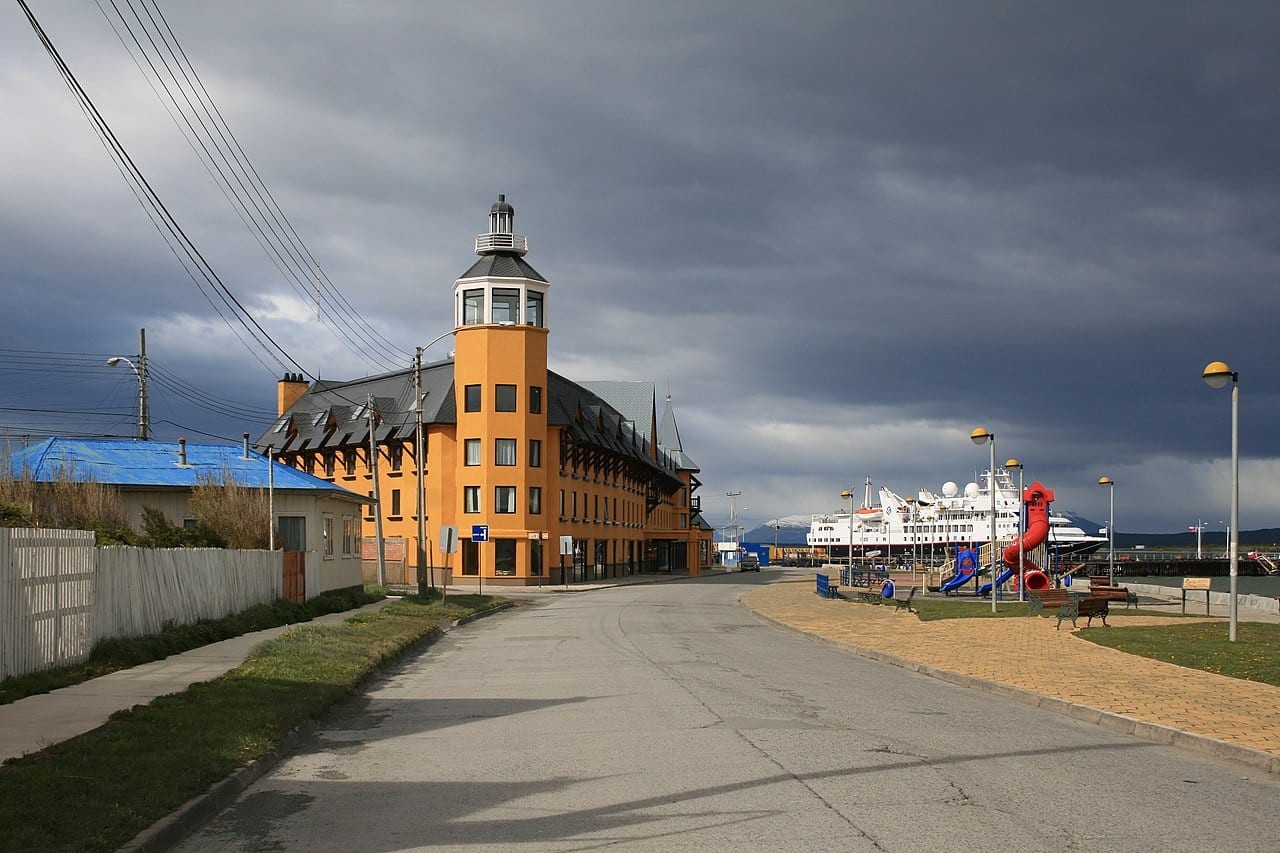
Puerto Natales is the Patagonian gateway town to Torres del Paine National Park, set on the Señoret Channel of Last Hope Sound in Chile's far-southern Magallanes Region, with roughly 22,000 residents. Once a wool-and-salmon port, it has been reborn as a premium adventure-tourism hub and is increasingly dubbed Patagonia's new 'golden ground' as property values surge on the back of record park visitation. Torres del Paine drew an estimated 366,000-415,000 visitors in 2025, exceeding CONAF's carrying capacity, with projections toward one million by 2035, driving demand for hotels, short-let lodging and residential land. Pricing is wide: typical 70-150 m2 homes run CLP 160-300 million (about USD 165,000-310,000), central 500 m2 properties reach CLP 500m-1bn (USD 500,000-1,000,000), and luxury homes span USD 700,000-3,000,000. On a per-m2 basis central stock trades roughly USD 1,400-1,900. Gross long-let yields are modest at 3.5-4.5%, but tourism short lets command strong summer premiums despite peak-season oversupply. Central growth is projected at 2-4% annually if tourism holds. Foreigners buy with full rights and a RUT; critically, Puerto Natales lies in a southern border zone near Argentina, so under Decreto Ley 1.939 nationals of bordering countries face restrictions and DIFROL authorisation can apply to land in declared border areas, though non-bordering foreign buyers of titled urban property are generally unaffected but should confirm border-zone status before purchase.

Puerto Varas
Chile
Puerto Varas, the 'City of Roses,' sits on the shore of Lake Llanquihue with twin volcano backdrops (Osorno and Calbuco) and a distinctive German-colonial heritage of shingled houses and the landmark Sagrado Corazón church. A genteel, year-round destination - lake tourism, gastronomy, and a gateway to Patagonia via nearby Puerto Montt airport - it is among southern Chile's most desirable and stable property markets. Built homes average roughly USD 2,200-3,200/m² near the lake, while parcelas (land plots) toward Ensenada and along the Llanquihue route trade from about 1,220-1,650 UF. The broader southern region led Chilean new-apartment price growth at around 14.6% year-on-year in Q3 2025 (about 9.8% inflation-adjusted), and gross rental yields run near 5-7% blending long-term tenancy with strong seasonal short-lets. Foreigners enjoy full freehold ownership identical to Chileans, with permanently registered Conservador title and no residency requirement; rural and agricultural parcels warrant standard title due-diligence. The investment case is lifestyle prestige plus southern growth: scarce lakefront, a wealthy domestic-and-expat buyer base, established tourism infrastructure, and Patagonia-gateway connectivity that together underpin both appreciation and dependable rental income.
Santiago
Chile
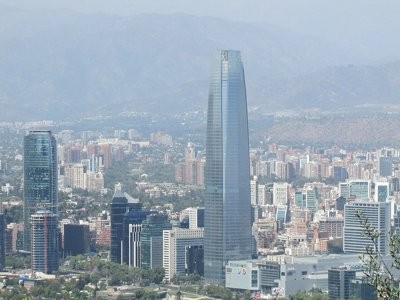
Santiago is Chile's capital and financial hub, a metropolitan area of around 7 million people set against the backdrop of the Andes. It is Latin America's most stable capital market, with an investment-grade economy and a "Sanhattan" financial district concentrated in the affluent eastern communes of Las Condes, Vitacura and Lo Barnechea. Property prices and mortgages are denominated in the inflation-indexed UF, which has protected real values through volatile periods and makes the city a long-hold, inflation-protected market. With the policy rate down to 4.5% and mortgage rates near 4%, demand is recovering, though a large stock of unsold units keeps buyers in a strong negotiating position.
Valparaíso
Chile
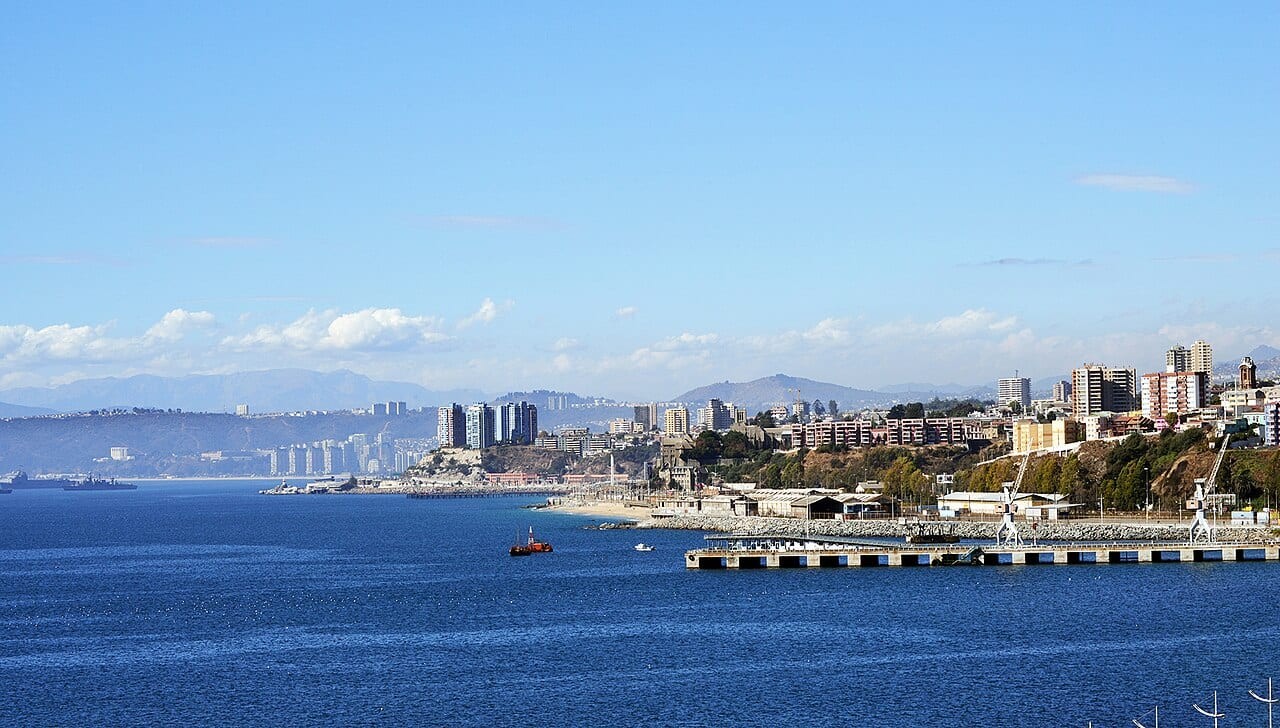
Valparaíso, Chile's bohemian Pacific port and a UNESCO World Heritage city since 2003, offers one of Latin America's most distinctive real-estate stories for 2026. Its amphitheatre of 42 cerros (hills) laced with funiculars, street art and 19th-century European architecture draws a steady tourist and digital-nomad stream just 90 minutes from Santiago. Median apartment values sit near CLP 2.14 million/m² (roughly USD 2,250/m²), with heritage houses around CLP 2.0 million/m² - a deep discount to capital-city pricing. Gross rental yields average about 4.0% citywide but climb to 5.5-7.5% in student-and-transport-rich hills such as Cerro Placeres and Cerro Barón. Nominal prices rose roughly 3% year-on-year (near flat after Chile's ~4% inflation), leaving buyer-friendly conditions after the 2024 correction. Foreigners enjoy full freehold rights identical to Chileans - title is permanently registered at the Conservador de Bienes Raíces, with no residency requirement and the only meaningful limits applying to neighbouring-country nationals in border zones (irrelevant here). The investment thesis is yield plus heritage scarcity: Airbnb demand in Cerro Alegre and Concepción supports short-let premiums, while restoration grants and the new port-edge regeneration underpin medium-term capital growth.
Viña del Mar City Guide
Chile
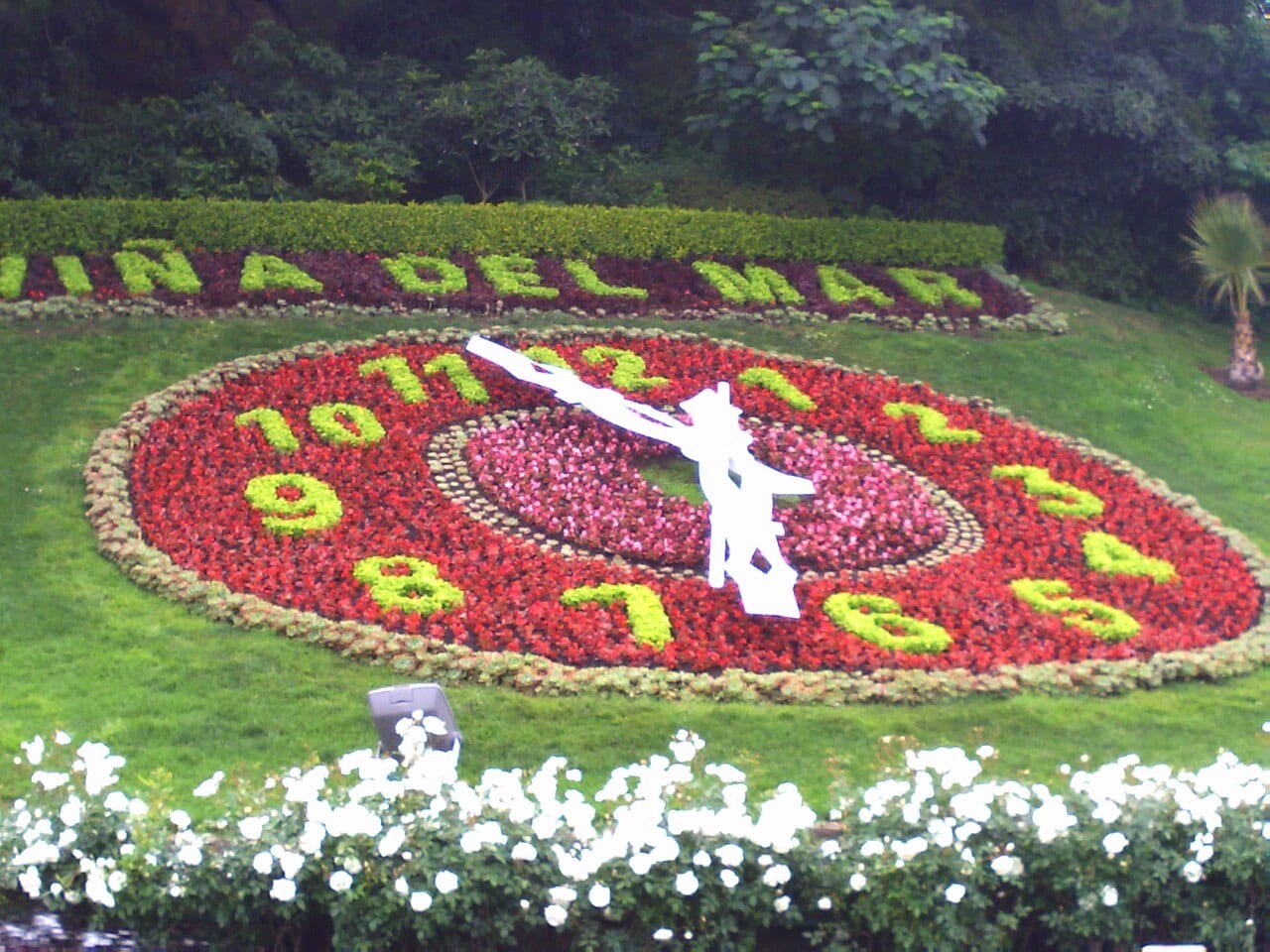
Viña del Mar, the 'Ciudad Jardín' (Garden City), is Chile's premier Pacific beach resort, fronting the bay alongside neighbouring Valparaíso and built on a flat coastal core ('El Plan') backed by hillside terraces. It runs on summer and festival tourism (the Festival de Viña at the Quinta Vergara) and a coastal second-home market, driving a strong seasonal short-term-rental economy alongside steady year-round residential demand. Property is priced in UF (an inflation-indexed unit) and CLP, with the commune average around 70+ UF/m² (≈US$2,800–3,050/m²). Foreigners buy on fully equal terms, and for investors the case is lifestyle and tourism upside plus inflation-protected pricing, with conservative long-let gross yields of ~3.6–4.8%.
Barranquilla City Guide
Colombia
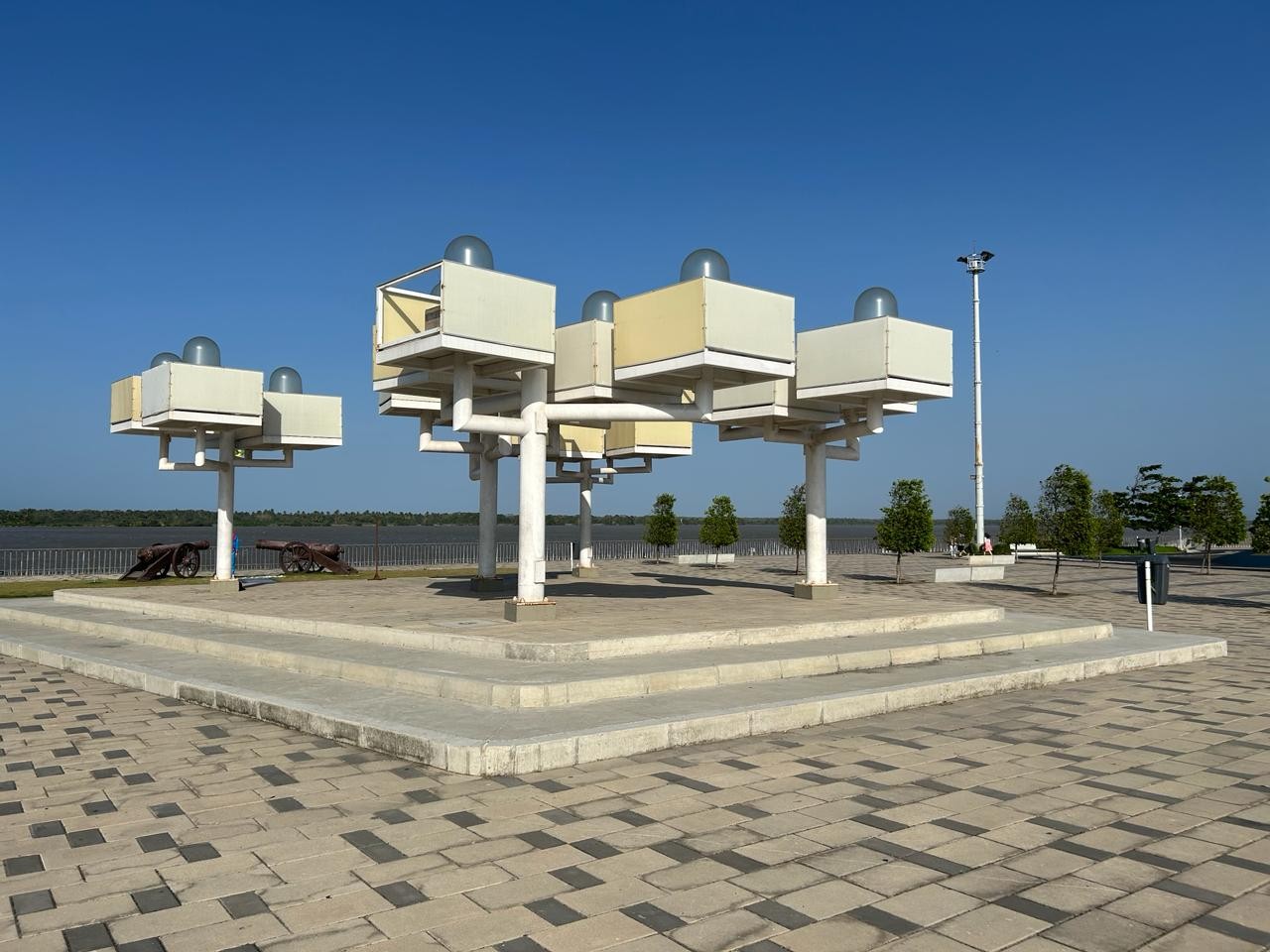
Barranquilla is Colombia's fourth-largest city and the commercial capital of the Caribbean coast, anchored by a multimodal port at the mouth of the Magdalena River and a long-established Zona Franca industrial base. It is on a visible upswing, the riverfront Gran Malecón regeneration and the UNESCO-recognised Carnaval de Barranquilla drive tourism and lifestyle demand, while its historic El Prado district (a national heritage conservation area of 1920s mansions) gentrifies and the affluent northern corridor of Alto Prado, Villa Country and Riomar fills with new luxury towers. For investors it offers a lower entry point than Bogotá or Medellín with comparable Colombian-style yields and a clear growth narrative.
Bogotá
Colombia
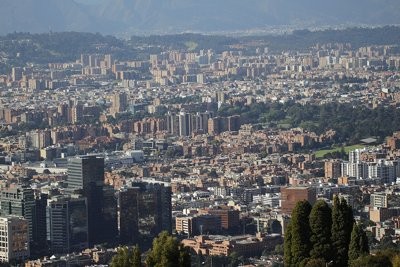
Bogotá is Colombia's capital and largest property market, a high-altitude Andean metropolis of around 8 million people (and an 11.8-million-person metro) that serves as the country's business and government hub. Its investor market concentrates in the affluent north and east, Chapinero, Usaquén, Chicó, Zona Rosa and Cedritos, where professional rental demand is deepest. Prices grew modestly in nominal terms in 2025 but were slightly negative in real terms, framing Bogotá as a recovery market with attractive headline rental yields. As elsewhere in Colombia, foreign buyers must register inbound funds with the central bank (Form 4) to preserve repatriation, and gross yields should be discounted for costs.
Cali City Guide
Colombia
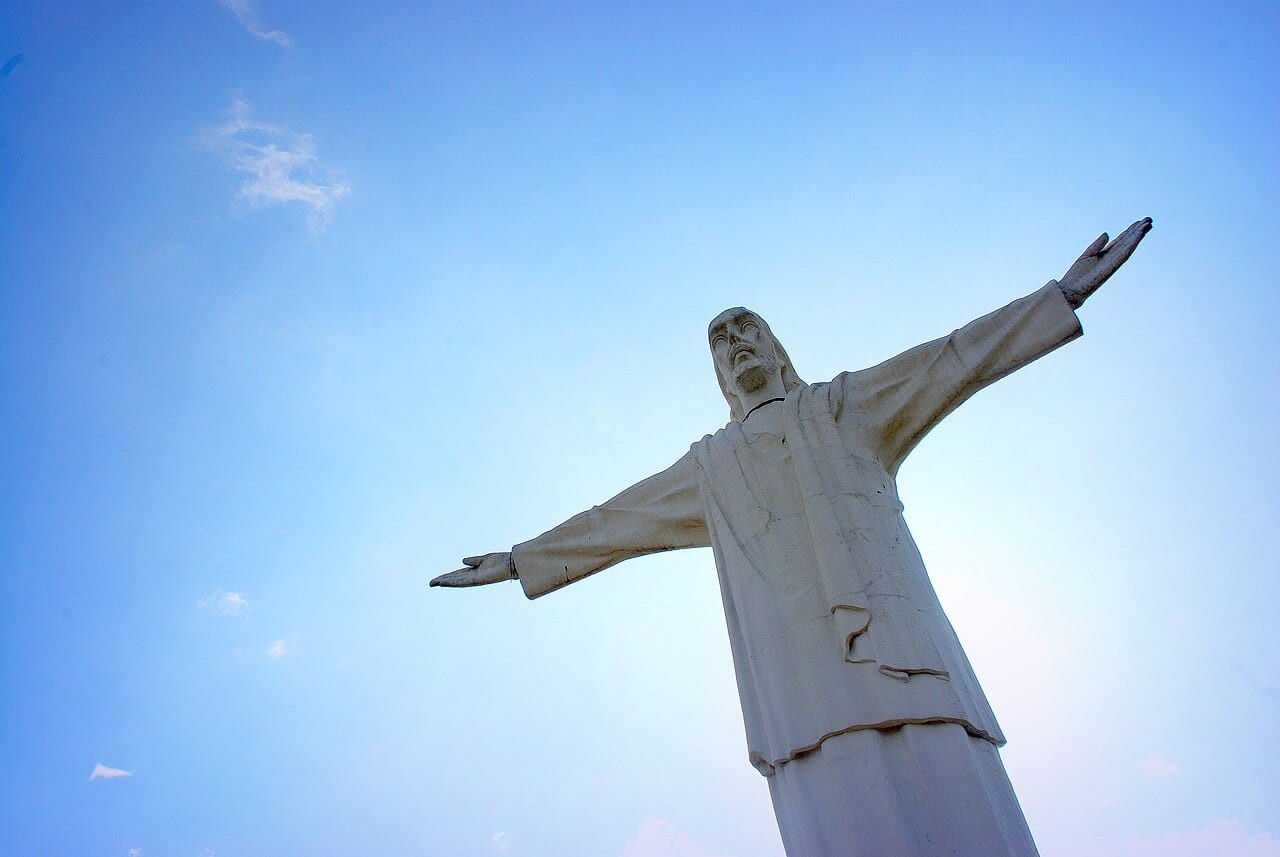
Santiago de Cali is Colombia's third-largest city and the world capital of salsa, a warm, energetic Valle del Cauca metropolis of around 2.2 million at the foot of the Farallones, watched over by the Cristo Rey statue. More affordable than Bogotá or Medellín, it offers Colombia's higher rental yields and a fully open foreign-ownership regime, concentrated in prime barrios like Granada, El Peñón and San Antonio, with safety that is improving but still varies by zone.

Cartagena
Colombia
Cartagena is Colombia's premier Caribbean tourism market, a UNESCO World Heritage walled colonial city whose Centro Histórico, Bocagrande high-rises and revitalised Getsemaní draw international visitors and short-term-rental investors year-round. Property is split between heritage facades inside the walls, beachfront towers on the peninsula, and emerging districts like Manga and La Boquilla. The arrival of luxury brands (a Four Seasons in 2026) signals a move up-market. The key risk is short-term-rental oversupply: with thousands of listings, falling occupancy and tightening licensing, marketed gross yields should be discounted heavily to realistic, occupancy-adjusted returns.