City guides
City guides (402)

Koh Samui City Guide
Thailand
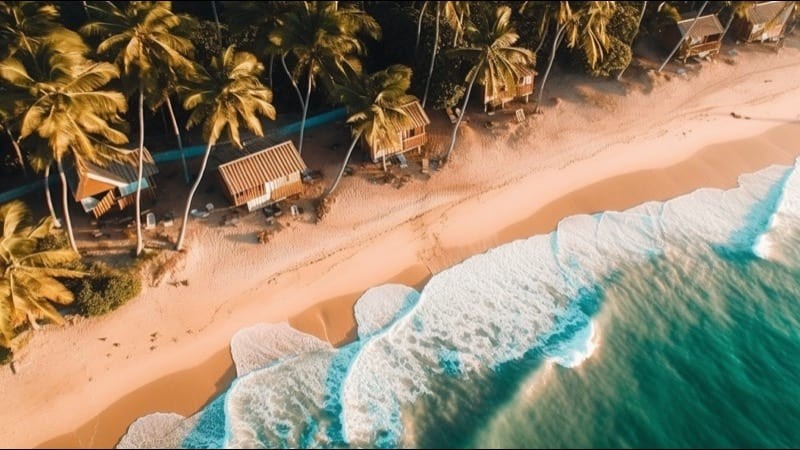
Thailand's premier luxury island destination, Koh Samui has evolved from a backpacker paradise into a THB 30.3 billion (USD 822 million) residential property market attracting high-net-worth investors from across the globe. The island's combination of world-class beaches, international airport connectivity, and a maturing villa and condominium market delivers gross rental yields of 7-12% for professionally managed properties. Land values have appreciated 5-12% annually over the past five years, with forecasts of 7-9% growth for 2026 concentrated in the 'Gold Triangle' of Bophut, Chaweng Noi, and Choeng Mon. For investors seeking tropical lifestyle returns backed by strong tourism fundamentals, Koh Samui remains one of Asia's most attractive island markets.
Krabi City Guide
Thailand
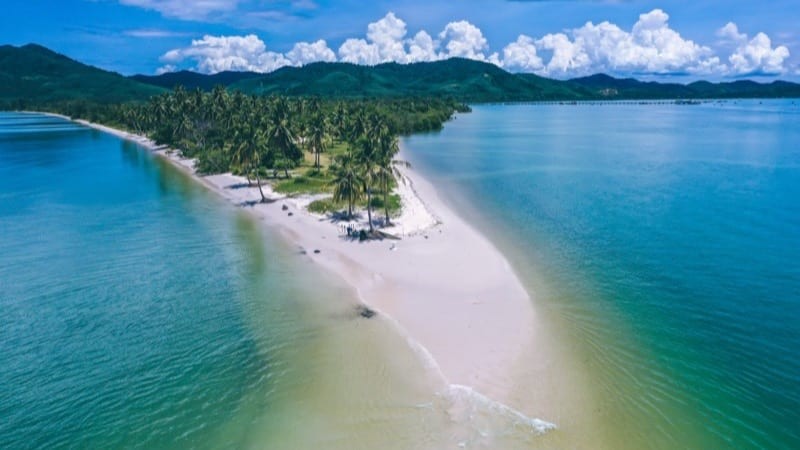
Krabi, on Thailand's Andaman coast, is a tourism-driven resort market prized for its dramatic limestone karsts, beaches and proximity to Railay and the Phi Phi islands. Quieter and lower-priced than neighbouring Phuket, the province pairs a small provincial capital (Krabi Town, population around 33,000) with internationally famous beach destinations led by Ao Nang. The investment appeal is lifestyle and holiday-rental income: median property prices sit near USD 370,000 overall and USD 142,000 for condominiums (about USD 2,400/m2), with gross rental yields around 6% and high short-term occupancy in prime beach areas. Tourism is the engine: Thailand expected 41 million international arrivals in 2025, and Krabi benefits from new direct flights and a major mixed-use mall opening in central Krabi. Development is expanding into the Nong Thale and Khao Thong sub-districts beyond the established Ao Nang corridor. The critical structural factor is Thai ownership law: foreigners can own condominium units outright but only up to 49% of a building's saleable area, while land and villas are typically held on renewable 30-year leaseholds or via Thai-majority structures. Investors should weigh genuine risks: the 49% condo cap and leasehold complexity for landed property, heavy dependence on tourism seasonality and international arrivals, baht currency movements, and environmental and zoning sensitivities along a protected coastline.
Pattaya City Guide
Thailand
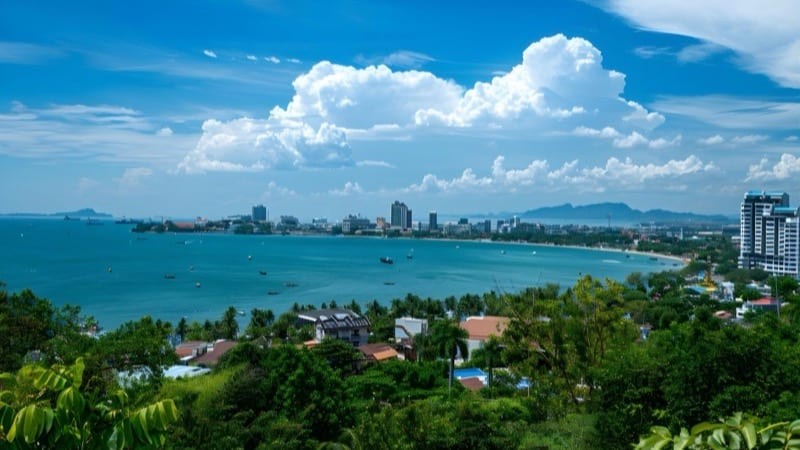
Thailand's most dynamic resort city, Pattaya has transformed from a beach getaway into a thriving urban centre backed by the Eastern Economic Corridor (EEC) — the Thai government's flagship USD 45 billion infrastructure programme. Located just 90 minutes from Bangkok, the city draws over 12 million visitors annually while a growing wave of remote workers, retirees, and EEC professionals fuels year-round rental demand. Pattaya offers investors some of Thailand's strongest rental yields at 6-8%, with entry prices significantly below Bangkok. The combination of beachfront living, improving infrastructure, and a maturing condo market makes Pattaya one of Southeast Asia's most compelling value propositions for property investors.
Phuket City Guide
Thailand
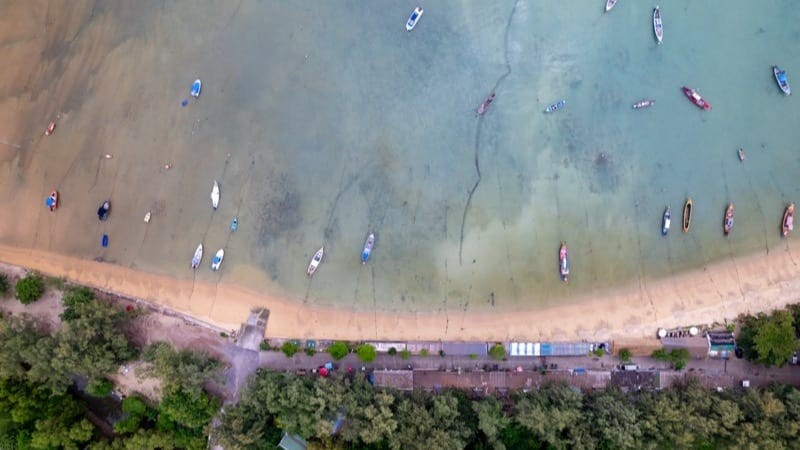
Thailand's island jewel where Andaman Sea beaches meet a maturing luxury property market. From the high-yield tourism engine of Patong to the villa estates of Bang Tao and the family-focused community of Cherng Talay, Phuket offers investors a diverse range of tropical property strategies backed by world-class infrastructure and growing international school demand. Phuket has evolved from a backpacker paradise into a sophisticated international destination with luxury branded residences, Michelin-starred restaurants, and yacht marinas. The island's international airport serves direct flights from across Asia, Europe, and the Middle East, while a growing network of international schools and private hospitals caters to an expanding expatriate community. Pool villa developments in areas like Bang Tao and Kamala generate strong rental returns through platforms like Airbnb and luxury villa rental agencies.
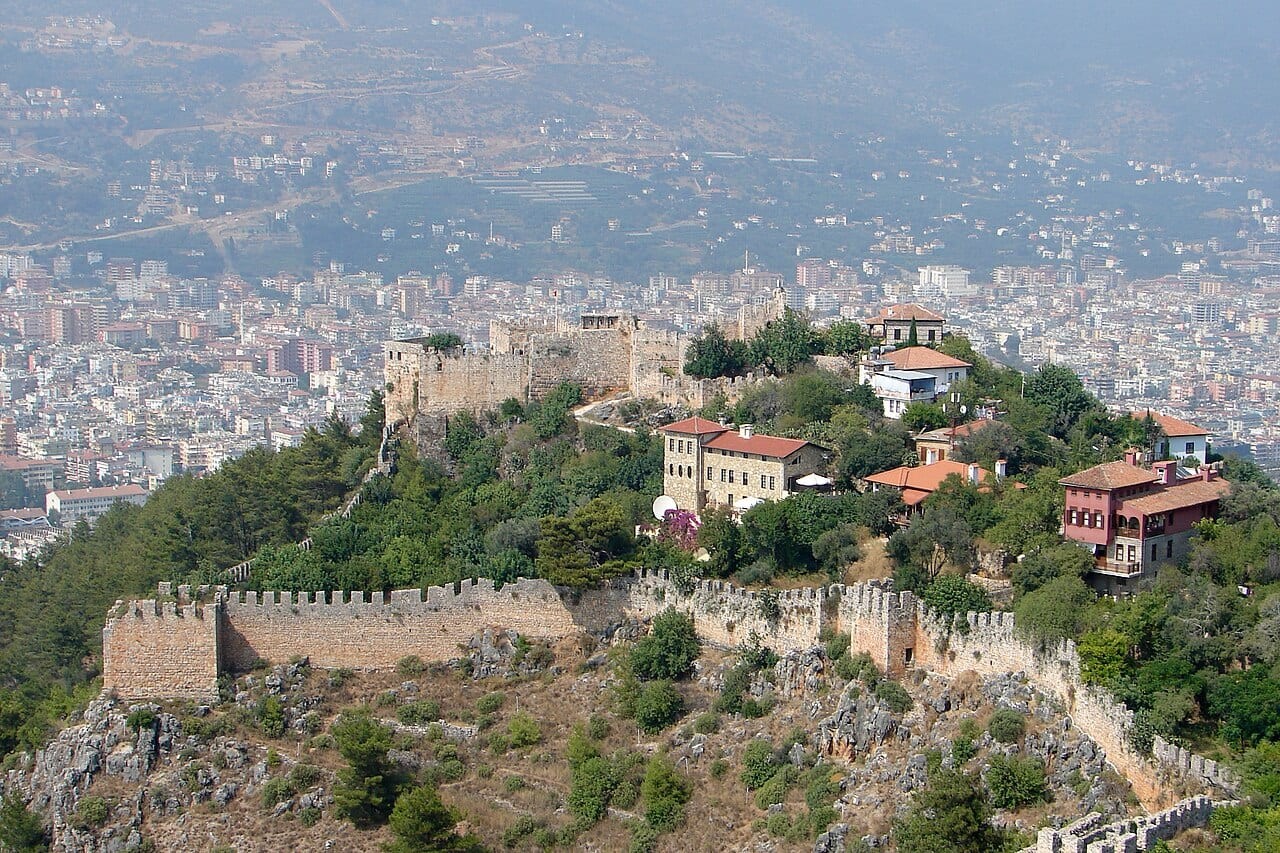

Alanya City Guide
Türkiye (Turkey)
Alanya, on Turkey's Mediterranean coast in Antalya Province, is the country's leading market for foreign property buyers, with a district population of around 372,000 and the single largest share of foreign purchases in Turkiye. Backed by the Taurus mountains and fronted by long sandy beaches including the famous Cleopatra Beach, the resort city pairs a year-round mild climate with a mature tourism economy: Alanya welcomed over 3 million visitors in 2024. The investment draw is high yield at low entry cost: resale prices average roughly 1,145-1,200 euros per square metre, central districts run 1,400-1,600 euros/m2, and premium beachfront new-builds reach 1,800-2,000-plus euros/m2, while gross rental yields are among Turkey's strongest at 7-12% on coastal properties thanks to a long tourist season. Budget-friendly Mahmutlar offers entry from 900-1,100 euros/m2 and the highest yields, while Oba and the central beach areas command premium rents. Buyers come heavily from Russia and the post-Soviet space, the Gulf, Iran, Germany and the UK, and prices are forecast to grow a moderate 5-10% in 2026 (with prime pockets higher). Investors must weigh real risks: the Turkish lira's chronic depreciation and high inflation that distort headline growth and erode real returns, heavy seasonal-tourism dependence, oversupply in some new-build corridors, and the USD 400,000 citizenship-by-investment threshold that many Alanya purchases fall below.
Ankara City Guide
Türkiye (Turkey)
Ankara is the capital of Türkiye and the country's second-largest city — population 5.55M (city) / 5.79M (province). Located on the Anatolian Plateau, Ankara was made Turkey's capital by Atatürk in 1923, replacing Istanbul. The city combines government and diplomatic functions (Atatürk's Mausoleum, the Grand National Assembly, all foreign embassies), a strong university and research cluster (Bilkent University, METU, Hacettepe), defence-and-aerospace industry concentration, and a quietly prosperous administrative-and-professional resident base. Average property prices ~₺29,700/m² (~$815 USD/m²); main areas $900-$1,000/m². Çankaya is the premium government-and-embassy district. Gross rental yields run 8.29% city average — Turkey's highest among major cities (Istanbul 7.30%, Antalya 5.73%, Izmir 7.10%). USD-equivalent appreciation +30% over 2023-2025.
Antalya City Guide
Türkiye (Turkey)
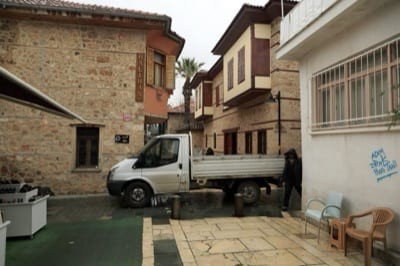
Antalya is Turkey's Mediterranean coastal capital — the country's premier tourism city (16+ million international visitors annually, top-10 globally) and the most-popular foreign-buyer destination outside Istanbul. The city stretches roughly 50 km along the Turkish Riviera (Türk Rivierası), anchored by Konyaaltı Beach (city centre west), Lara Beach (city centre east, premium villas), the Kaleiçi old town (Ottoman heritage), and the surrounding Belek + Kemer + Side resort coast. Population 2.6M (city) / 2.7M (province). Average property prices ₺36,000-42,000/m² (~$1,000-$1,200 USD/m²); Konyaaltı and Lara coastal premium with +12-15% annual growth. Gross rental yields 6-8% standard, up to 10% for premium short-let; tourism-driven seasonality. Foreign buyers — Russian, German, Iranian, Iraqi, British, Northern European — dominate the coastal segment, with Turkey's $400K CBI applicable in higher-end developments.
Bodrum City Guide
Türkiye (Turkey)
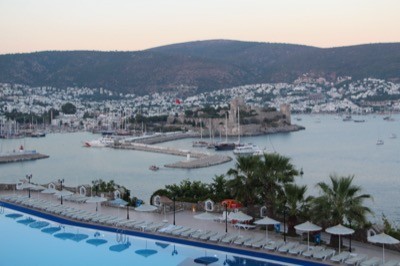
Bodrum is Turkey's most-prestigious coastal luxury destination — situated on the Bodrum Peninsula (the ancient Halicarnassus, site of one of the Seven Wonders) on the Aegean Sea opposite the Greek island of Kos. The peninsula combines ancient heritage (the Castle of St. Peter built by the Knights Hospitaller, Mausoleum of Halicarnassus archaeological site) with ultra-luxury villa estates, super-yacht marinas (Yalıkavak Marina hosts the largest in the Aegean), and a constellation of distinctive coastal villages — Yalıkavak, Türkbükü, Göltürkbükü, Gümüşlük, Bitez, Ortakent, Türgütreis. Average prices reached ₺220,000/m² (~$6,300 USD/m²) in 2025 — Turkey's most-expensive coastal property market. Luxury villas range €500K-€3M+ for mainstream stock, €2M-€15M for premium and ultra-prime. Bodrum accounts for over 30% of Turkey's high-end coastal property transactions. Foreign-buyer composition: British, German, Russian, Italian, plus growing Gulf-state + Asian.
Fethiye City Guide
Türkiye (Turkey)
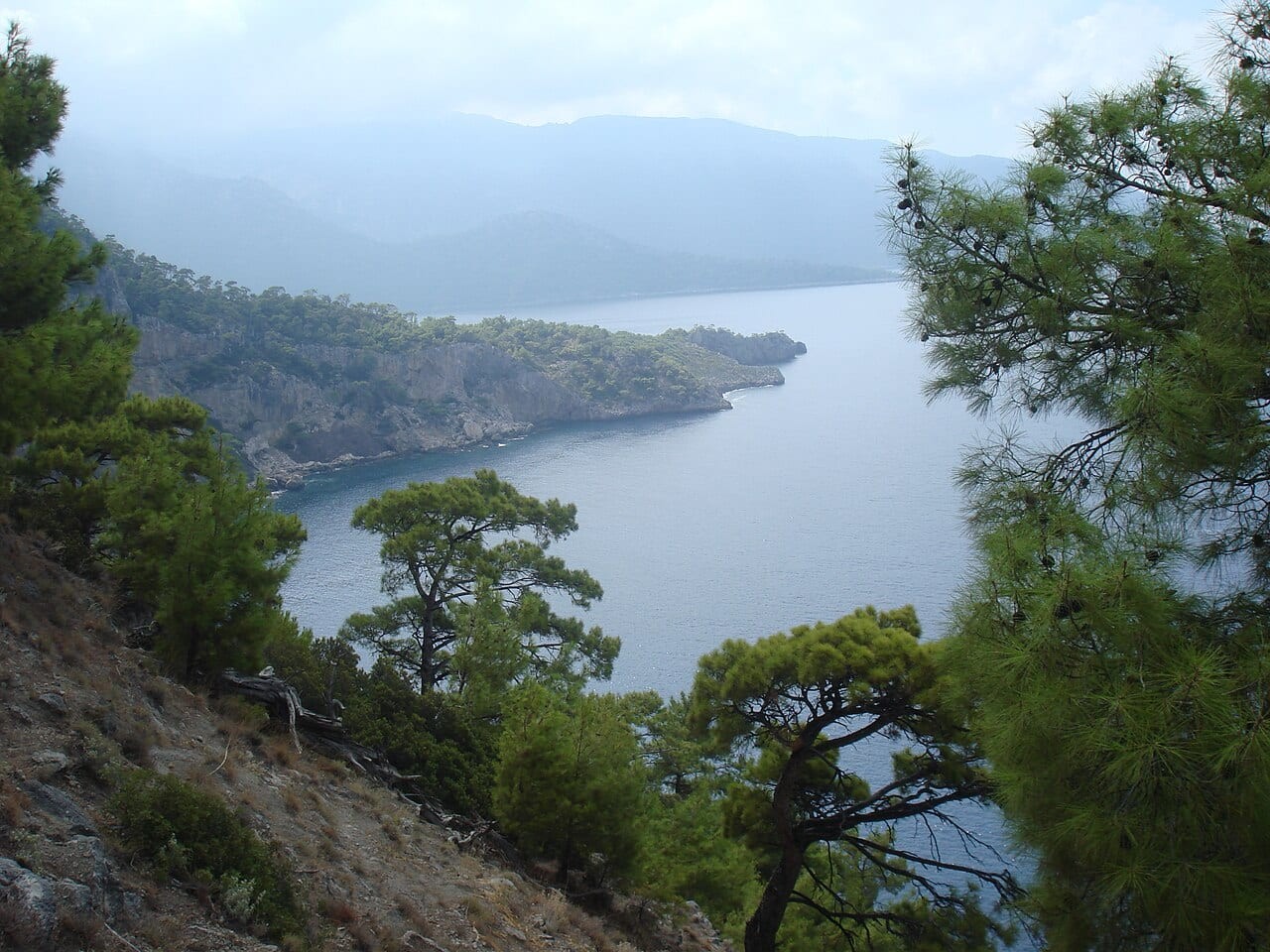
Fethiye, on Turkey's southwestern Turquoise Coast in Mugla Province, is one of the country's most established international holiday-home markets. Set around a natural harbour and famed for the lagoon of Oludeniz and the Lycian Way trail, the resort town draws a large, loyal foreign-buyer base: Britons make up the biggest contingent (with several thousand now permanent residents), followed by Germans, Dutch and Russians. The market is driven by lifestyle and rental yield rather than urban fundamentals: holiday properties typically return 6-10% gross, with beachfront apartments near Calis and Ovacik generating 6-8% on strong seasonal demand and central buy-to-lets achieving 5-7%. Entry points remain accessible by European standards: two-bedroom apartments around Calis Beach from roughly 60,000 euros and three-to-four-bedroom villas in Ovacik with Oludeniz views from around 150,000 euros. Property demand rose about 12% in 2025 and prices have been growing strongly, though much of Turkey's headline appreciation is inflated by very high domestic inflation. The market is served by Dalaman International Airport and a modern marina. Investors must weigh substantial risks: the Turkish lira's persistent depreciation and high inflation (which erode real local-currency gains), heavy reliance on seasonal tourism, and the 2022 increase of the citizenship-by-investment threshold to USD 400,000 (meaning many Fethiye purchases sit below the residency or citizenship line).
Istanbul City Guide
Türkiye (Turkey)
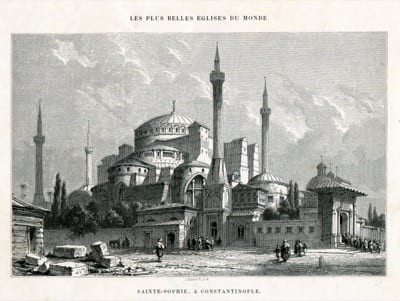
Istanbul is Europe's largest city by population (15M+) and Turkey's economic, cultural, and tourism capital — straddling the Bosphorus across two continents. The city's 39 districts span from the historic UNESCO-listed Sultanahmet peninsula to the European-side prime markets of Beşiktaş, Şişli, and Sarıyer, the Asian-side urban heart of Kadıköy, and the growing peripheral districts of Başakşehir and Beylikdüzü. Average apartment prices ran ₺55,500-58,940/m² mid-to-late 2025 (~$1,520 USD/m²) per Hepsiemlak data, with premium Beşiktaş/Kadıköy projects at ₺150,000-200,000/m². Gross rental yields average 7.24% across the city. Istanbul is the focal point of Turkey's $400K Citizenship-by-Investment programme — one of the few CBI programmes remaining globally after the 2025 EU closures (Malta MEIN abolished April 2025, Cyprus CIP abolished 2020). The city grew by 420,000 residents in 2024 alone, including 150,000 foreigners (primarily Russian, Iranian, CIS, Gulf-state).
Izmir City Guide
Türkiye (Turkey)
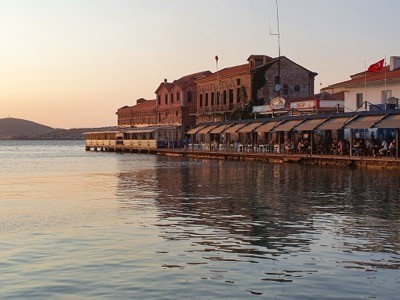
Izmir is Turkey's third-largest city and the largest metropolitan area on the Aegean Sea — population 3.5M (city) / 4.5M (province). Ancient Smyrna, founded approximately 3,000 BC, today combines a deep historical heritage (Agora, Asansör elevator, Kemeraltı Bazaar) with Turkey's most-progressive secular urban culture, a growing tech-startup ecosystem ('The Aegean Tech Darling'), 13 universities (150K+ students), and the Aegean coastal lifestyle. Average property prices ~$1,150 USD/m² ($1,100-$1,300 range). Gross rental yields 7.10% — among Turkey's strongest. 2025 saw +29.6% nominal YoY (25.82% nominal converted to -4.34% real after inflation). Foreign buyer demand growing rapidly, particularly from European retirees + Russian + Iranian relocators. Turkey's $400K CBI applies in higher-end developments.
Abu Dhabi City Guide
United Arab Emirates
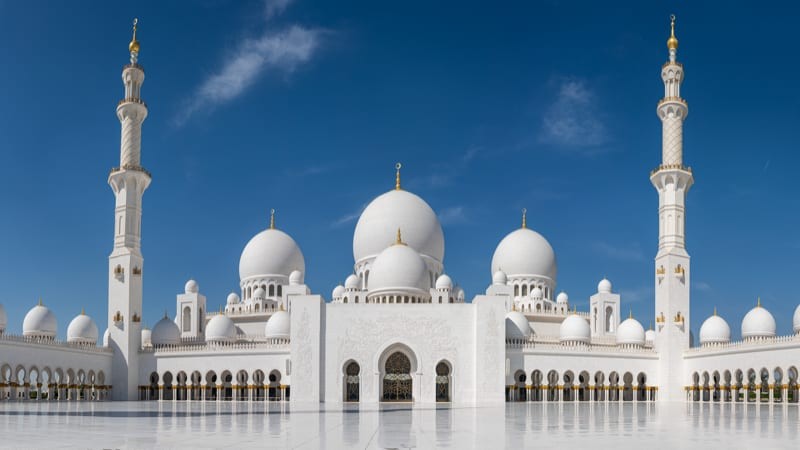
The UAE capital combines sovereign wealth stability with world-class cultural ambitions, offering investors a more measured alternative to Dubai's rapid pace. From the Louvre-anchored cultural district of Saadiyat Island to the entertainment megaprojects of Yas Island, Abu Dhabi delivers institutional-grade real estate backed by the world's largest sovereign wealth fund. Freehold ownership zones, zero income tax, and a government committed to economic diversification make this a compelling long-term hold. Abu Dhabi's deliberate approach to development — favouring quality over quantity — has created a market characterized by strong governance, sustainable growth, and premium liveability that appeals to families, diplomats, and corporate executives.
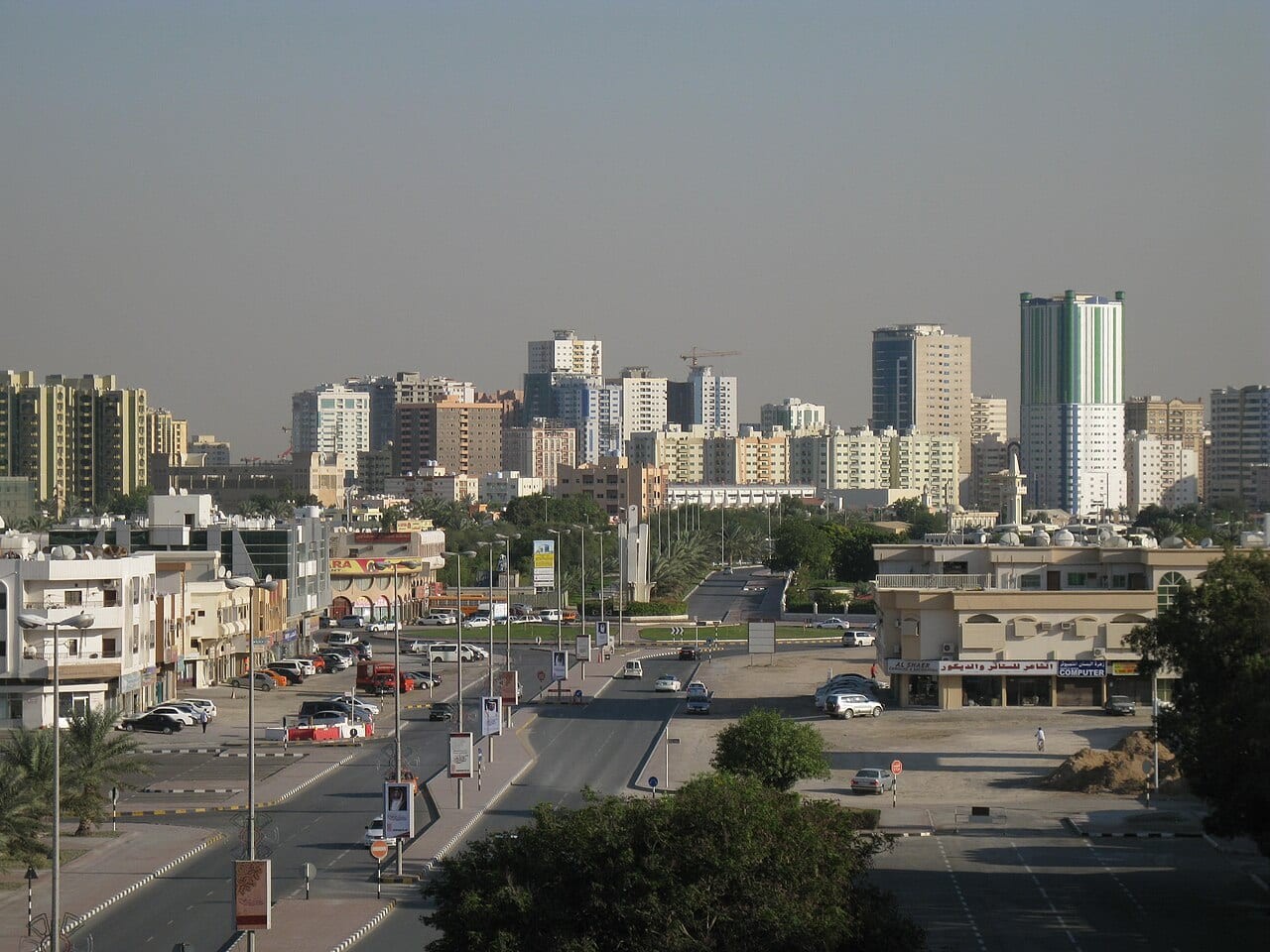
Ajman City Guide
United Arab Emirates
Ajman, the smallest UAE emirate by area, has become the federation's leading value-driven residential market, drawing buyers and tenants priced out of Dubai and Sharjah with affordable apartments, larger layouts and some of the highest rental yields in the country. Crucially for foreign investors, Ajman offers genuine freehold: expatriates can buy full ownership in designated freehold zones such as Ajman Corniche, Al Nuaimiya towers, Al Rashidiya and the master-planned Al Zorah and Al Jurf waterfronts. The market gained momentum in 2025 as value-led demand accelerated, with Ajman Downtown price-per-square-foot up about 32%, Corniche Ajman up 16% and Al Nuaimiya up 10%. Entry pricing is low, Al Nuaimiya apartments commonly trade from roughly AED 180,000-400,000, and ROI in strong rental districts reaches 9-10%, occasionally up to 10.5%. The honest caveat is that these elevated yields reflect a lower-priced, more affordability-sensitive tenant base and a smaller, less liquid market than Dubai, so vacancy and demand are more cyclical.
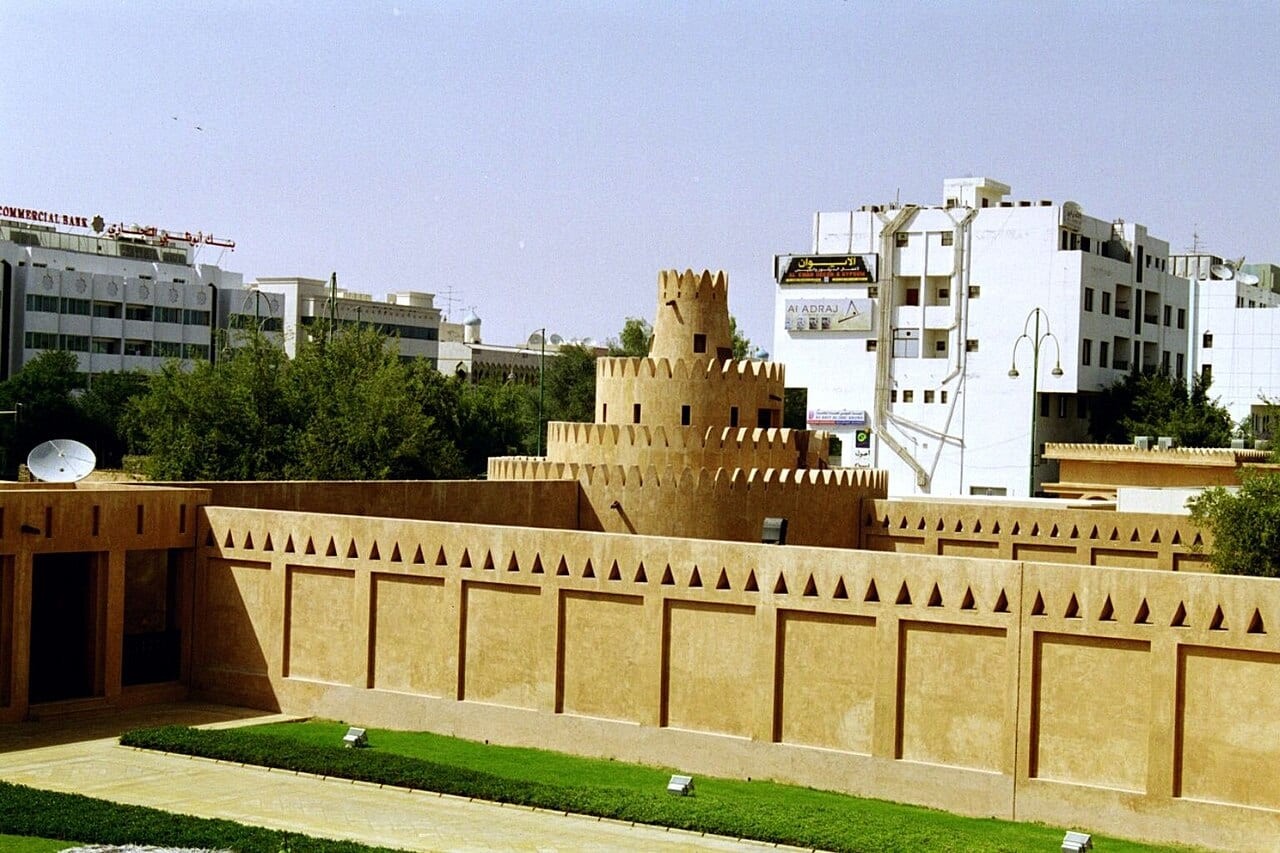
Al Ain City Guide
United Arab Emirates
Al Ain, the inland 'Garden City of the Gulf' in Abu Dhabi Emirate, is a low-rise, family-oriented city of oases and date plantations at the foot of Jebel Hafeet, with a UNESCO-listed cultural landscape and a population skewing heavily toward Emirati nationals. For foreign investors this is one of the UAE's more restricted markets: unlike Dubai, most of Al Ain is not freehold, residential land has historically been reserved for UAE nationals, and non-citizens generally access the market through long leasehold or designated investment zones rather than outright ownership. The market is steady rather than spectacular, recording roughly 4% growth in residential capital values in 2024 against a backdrop of constrained supply, with a median residential price around AED 970,000. Apartments in central Al Mutaredh sit near AED 6,000 per square metre and suburban villas in Al Jimi and Hili run AED 7,200-8,000, while communities under AED 1,500 per square foot can deliver yields above 7.5%. The honest framing is a stable, supply-constrained nationals-led market with limited foreign freehold access.
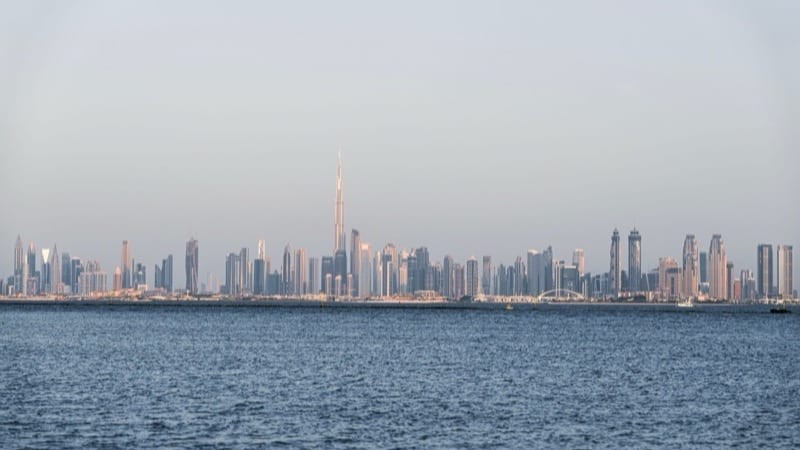
Dubai City Guide
United Arab Emirates
The world's fastest-growing luxury real estate market where zero income tax, freehold ownership for all nationalities, and a relentless pace of development create unmatched opportunities. From the iconic Burj Khalifa skyline of Downtown to the beachside villas of Jumeirah, Dubai offers a neighborhood for every investor profile — whether you seek trophy assets, high-yield apartments, or affordable family communities with strong capital growth potential. Dubai's strategic position as a global business hub connecting East and West, combined with its world-class infrastructure, year-round sunshine, and cosmopolitan lifestyle, has attracted a surging population of high-net-worth individuals, entrepreneurs, and corporate headquarters. The emirate's long-term visa programs, including the Golden Visa, have further cemented its status as one of the world's most investor-friendly property markets.
Ras Al Khaimah City Guide
United Arab Emirates
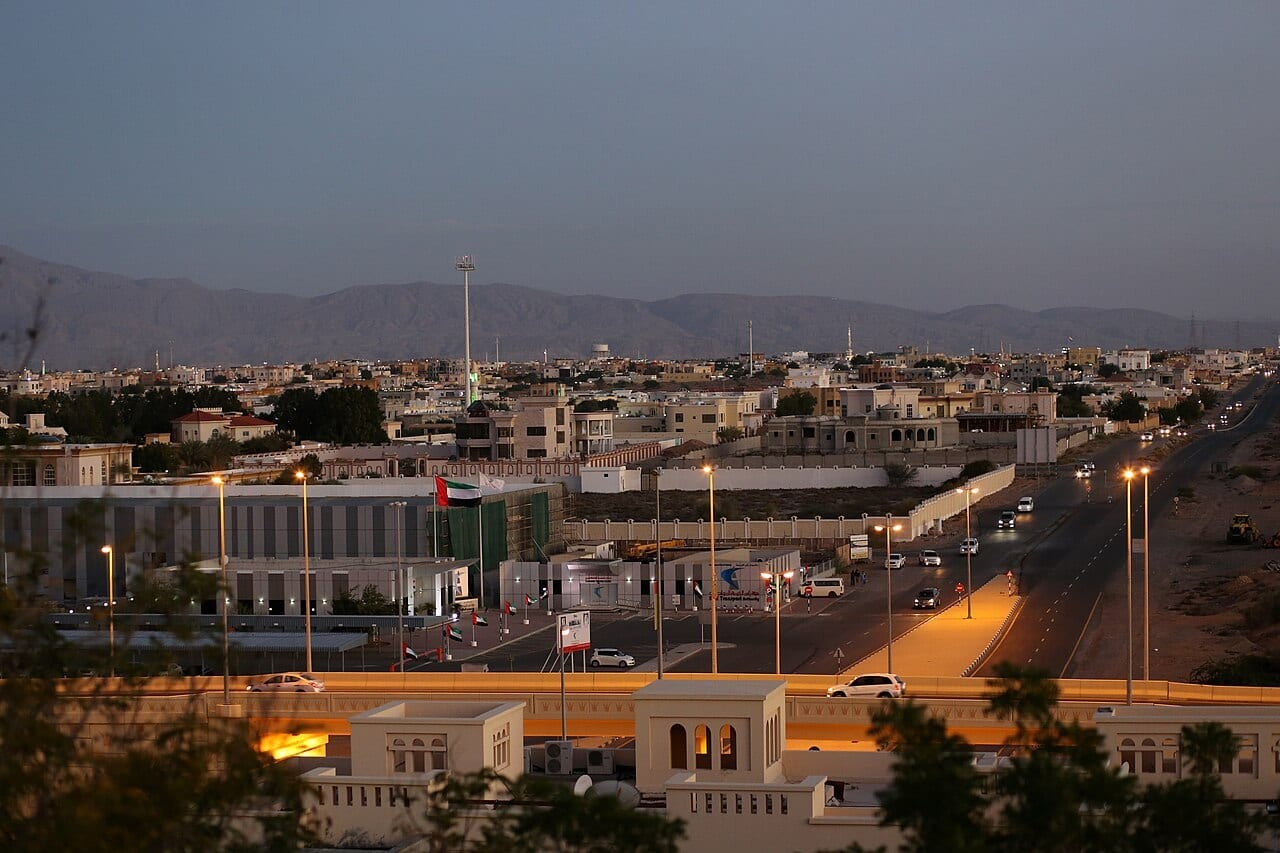
Ras Al Khaimah (RAK), the UAE's northernmost emirate, has become one of the Middle East's fastest-growing property markets, propelled by the USD 5.2 billion Wynn Al Marjan Island integrated resort (the country's first licensed gaming resort) due to open in early 2027. The transformation is dramatic: prime apartment prices climbed to AED 2,428 per square foot in 2025, with apartment values up 32% year-on-year and villas up 11%, concentrated in the waterfront communities of Al Marjan Island, Al Hamra Village and Mina Al Arab. Rental yields are attractive at roughly 5-6% gross on average, with select branded and waterfront projects reaching 8-9%, and apartment rents rose nearly 25% in 2025 despite new supply. RAK allows 100% foreign freehold ownership in designated areas, and the emirate's population is projected to grow from around 400,000 toward 650,000 by 2030, with hotel capacity set to more than double to roughly 20,000 keys. Top international buyers include Russians, Indians, Chinese, Germans and Britons. As a UAE market it offers a US-dollar-pegged currency, zero income and capital-gains tax on property, and a stable legal framework. Investors should still weigh real risks: a strong reliance on the Wynn-driven narrative and the resort's on-time delivery (construction paused before resuming in 2026), a notable new-supply pipeline that could pressure rents, and a 24% drop in transaction volume in 2025 even as prices rose (a sign of a cooling, more selective market).
Sharjah City Guide
United Arab Emirates
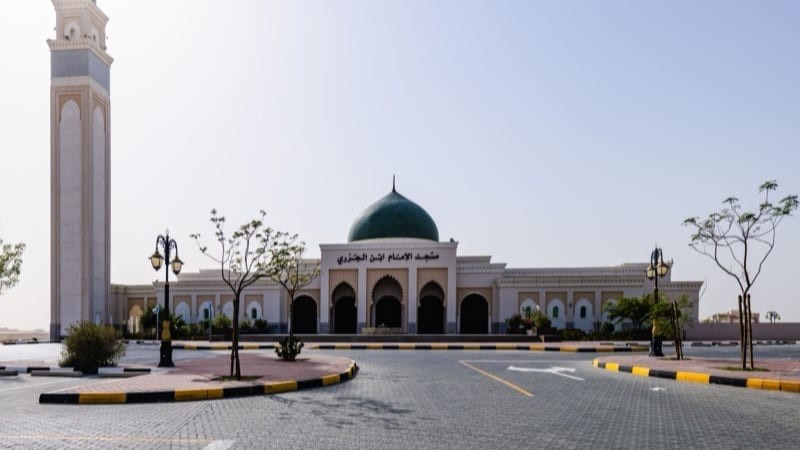
The UAE's cultural capital and UNESCO-recognized arts hub offers the country's most affordable real estate with some of its highest rental yields. Sharjah attracts a massive tenant base of professionals who work in Dubai but prefer the emirate's family-friendly values, lower rents, and growing cultural amenities. From the lagoon-side sophistication of Al Majaz to the emerging developments of Muwaileh, Sharjah delivers entry-level UAE investment opportunities with yields that consistently outperform its wealthier neighbors. The emirate's commitment to cultural infrastructure — including the Sharjah Art Foundation, Sharjah Biennial, and numerous museums — combined with its strategic location adjacent to Dubai makes it a compelling value proposition for investors seeking strong cash flow returns.

Birmingham City Guide
United Kingdom
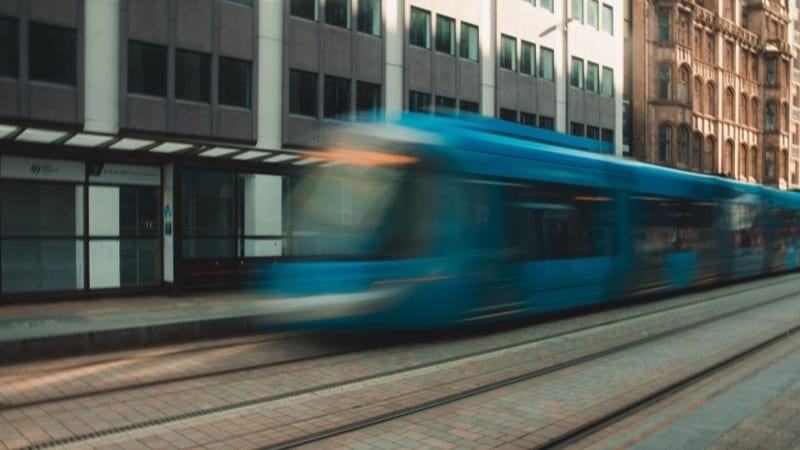
The UK's second city is undergoing a dramatic renaissance, with HS2 connectivity, a thriving food scene, and ambitious regeneration projects reshaping its neighbourhoods. From the heritage charm of the Jewellery Quarter to the creative energy of Digbeth, Birmingham offers investors strong yields and significant growth potential at a fraction of London prices. The city successfully hosted the 2022 Commonwealth Games, catalysing billions in infrastructure investment, and the arrival of HS2 will place Birmingham just 49 minutes from London. With a young, diverse population — the youngest large city in Europe — and major employers including HSBC's UK headquarters, Birmingham is positioned as one of the UK's most compelling investment stories.
Edinburgh
United Kingdom
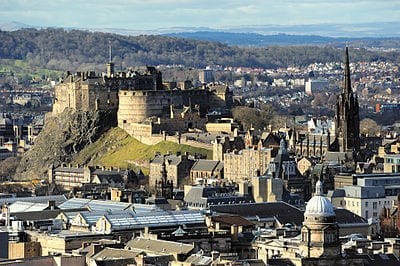
Edinburgh is Scotland's capital and one of the United Kingdom's most historically significant and architecturally stunning cities. Divided between its medieval Old Town, crowned by the iconic Edinburgh Castle, and the elegant Georgian New Town — together a UNESCO World Heritage Site — Edinburgh offers a rare combination of cultural depth, world-class education, and thriving economic opportunity. The city is home to the University of Edinburgh, one of the world's oldest and most prestigious universities, and hosts the Edinburgh Festival Fringe, the largest arts festival on the planet. The Edinburgh property market has demonstrated remarkable resilience and sustained growth. As of early 2026, the average house price in Edinburgh stands at approximately £355,000, reflecting year-on-year growth of around 5-6%. Prime areas such as New Town, Stockbridge, and Morningside command significantly higher premiums, with properties regularly selling within days of listing. Rental yields average around 5.7% gross, supported by strong demand from the city's large student population, growing tech sector, and international workforce. For international investors, Edinburgh represents a compelling opportunity within the UK market. Scotland's distinct legal system provides clear property ownership structures, and the city's economic fundamentals — anchored by financial services, technology, tourism, and higher education — continue to attract both domestic and overseas capital. Major infrastructure projects including the Edinburgh Tram extension and ongoing waterfront regeneration at Granton and Western Harbour are creating new investment corridors across the city.
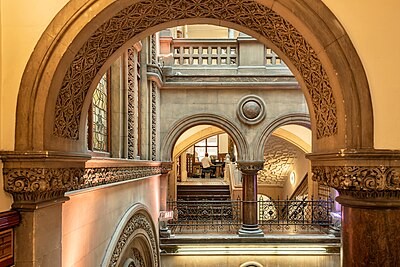
Leeds
United Kingdom
Leeds is the largest city in West Yorkshire and the third-largest city in the United Kingdom by economic output, serving as the principal financial and legal centre of Northern England. Home to over 800,000 residents in the city proper and nearly 1.9 million across the wider metro area, Leeds has undergone a remarkable transformation from its industrial textile heritage into one of the UK's most dynamic and diversified economies, with strengths spanning financial services, digital technology, healthcare, higher education, and creative industries. The Leeds property market has shown robust growth, with the average house price reaching approximately GBP 246,000 in late 2025 -- a 3.3% year-on-year increase. The city sits within the Yorkshire and Humber region, which Savills projects will lead UK house price growth with 28.8% capital appreciation forecast for 2026-2030, the highest of any UK region. Average monthly private rent reached GBP 1,123 in January 2026, and buy-to-let yields across the city range from 5.5% to 8% depending on location and property type, comfortably outperforming the UK average of approximately 5.2%. Major infrastructure investments continue to reshape Leeds, including the South Bank regeneration -- one of the largest city-centre development projects in Europe -- the HS2 high-speed rail connection (now in its revised form via the Integrated Rail Plan), and the ongoing expansion of Leeds Bradford Airport. For international investors, Leeds offers a compelling combination of sub-GBP 300,000 entry pricing, strong rental yields, and exposure to one of the fastest-growing regional economies in the UK.