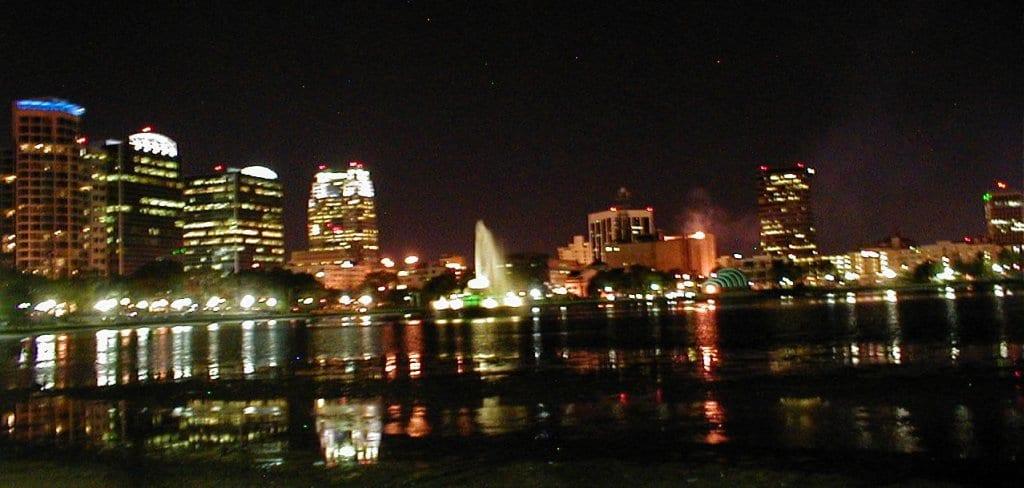

Orlando City Guide
Orlando, the heart of Central Florida, is one of the United States' most resilient sunbelt investment markets, combining a globally dominant tourism economy with some of the fastest population growth in the country. The Orlando-Kissimmee-Sanford metro reached nearly 3 million residents in mid-2025, adding roughly 725 new residents a week, a 1.3% annual gain that outpaced both Florida and most large US metros. The economy rests on theme-park tourism (Walt Disney World, Universal and its new Epic Universe park), a growing tech and aerospace Medical City cluster at Lake Nona, and the University of Central Florida. The 2026 housing market has cooled to a more balanced footing: the metro median sale price sits around USD 378,000-410,000 with prices roughly flat to modestly down year-on-year, giving buyers more negotiating room. Gross rental yields range from about 5.3% in affluent Windermere to 7.7% in Horizon West, with affordable areas such as Rosemont and Poinciana reaching 8-10% gross, though net cap rates after taxes, insurance and management typically land between 2.5% and 5%. As a US-dollar market it offers legal and currency stability for international buyers. Investors should weigh real risks: a soft, supply-rebalancing market with prices flat-to-down and rents easing about 2% in early 2026, sharply higher Florida property-insurance costs, and the saturation and regulation of short-term vacation rentals in the tourist-corridor submarkets.
On INTRIC now — Residences in United States are open to enquiry straight from this page.

The Edge Sarasota
CONDOMINIUM · 1297 N Palm Avenue, Sarasota, FL 34236, United States
USD 3.00M – USD 5.50M
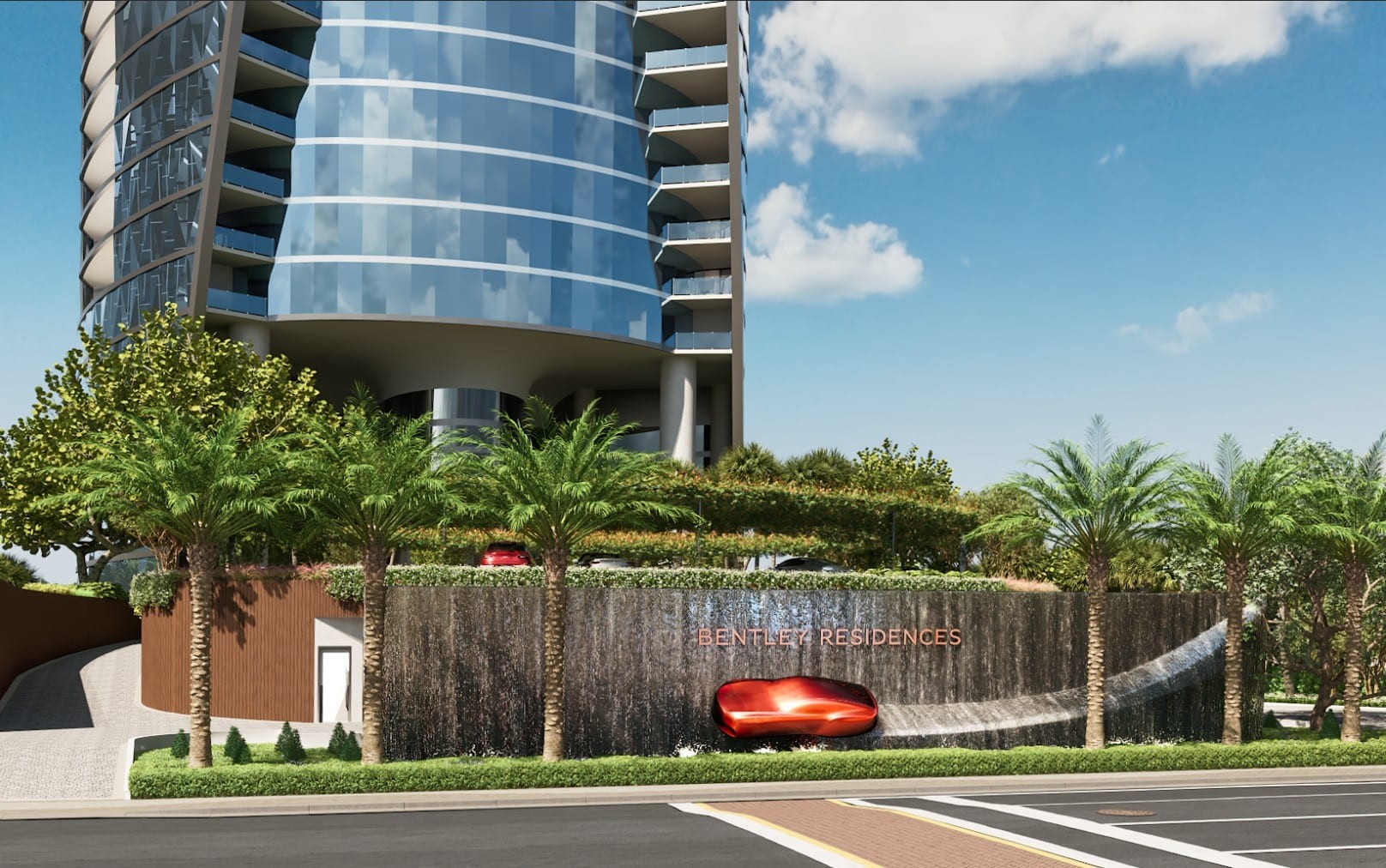
Bentley Residences Miami
Apartment · 18401 Collins Avenue, Sunny Isles Beach, Miami, Florida, USA
USD 5.80M – USD 37.50M
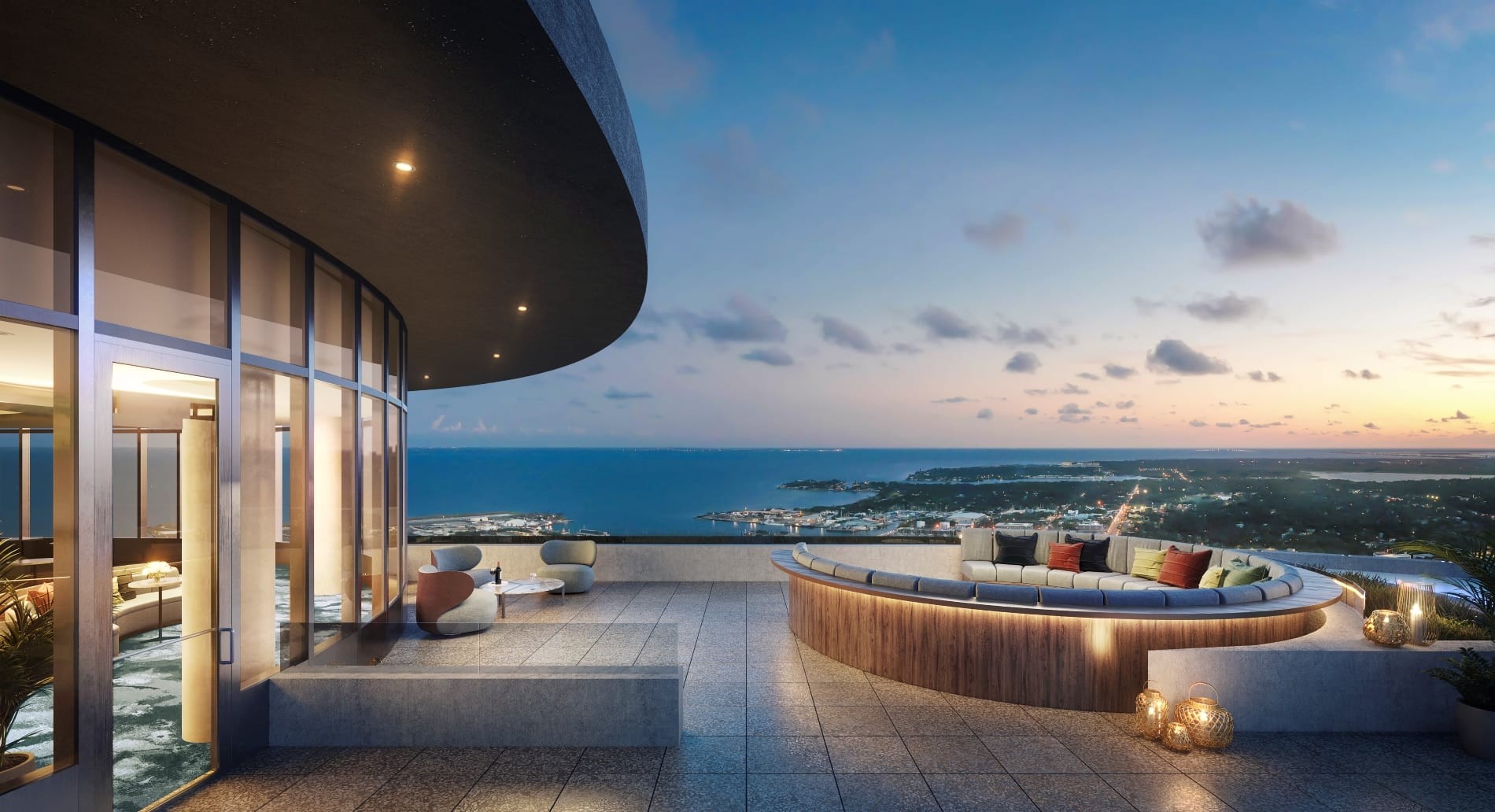
Residences at 400 Central
CONDOMINIUM · 400 Central Avenue, St. Petersburg, FL 33701, United States
USD 1.15M – USD 6.54M
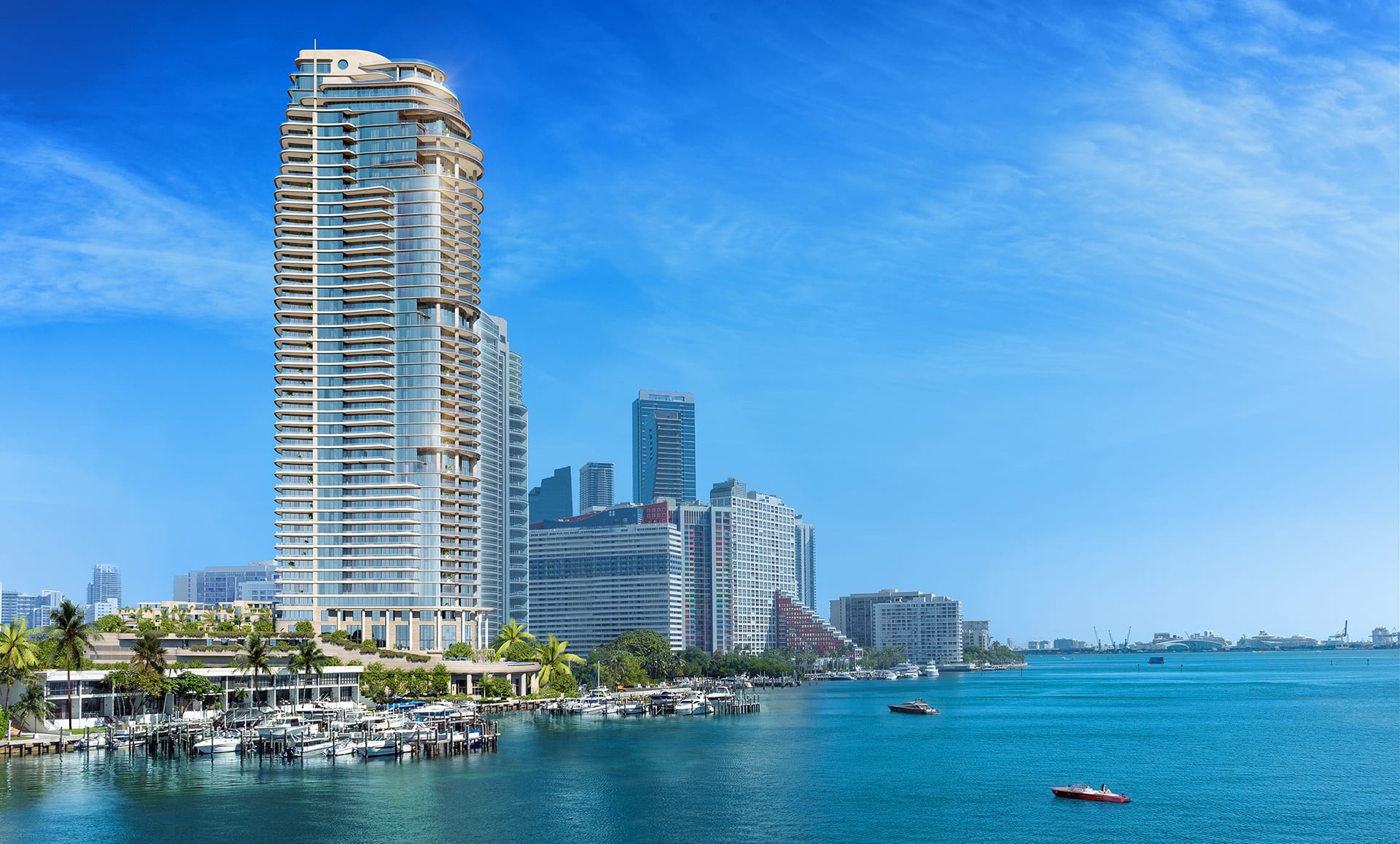
The St. Regis Residences Miami
APARTMENT · 1809 Brickell Avenue, Miami, FL 33129, USA
USD 4.00M – USD 12.50M
Figures are indicative and subject to change. Regulations, taxes and market conditions vary by jurisdiction. Do your own due diligence and seek independent legal and financial advice.
More in United States
All city guides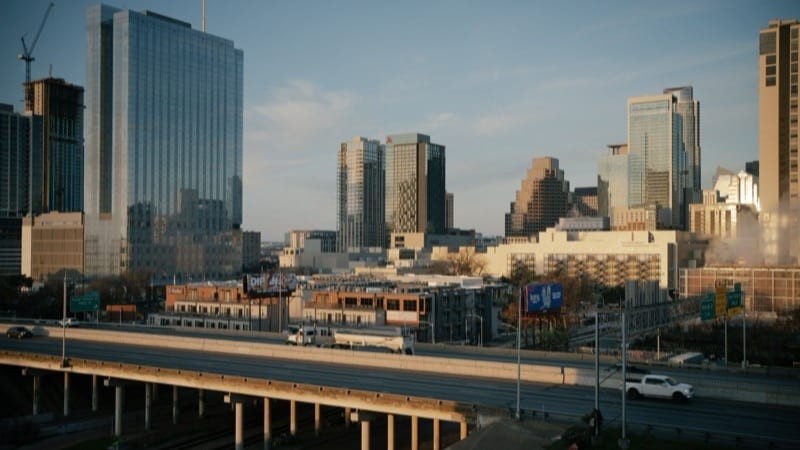
Austin City Guide
City guide
The Live Music Capital of the World blends tech-driven growth with creative culture and outdoor living. From the vibrant downtown core along Lady Bird Lake to the luxury hill country estates of Westlake, Austin offers neighborhoods for every lifestyle — foodies, festival-goers, families, and founders alike. The city has become one of America's fastest-growing metros, fueled by an influx of tech companies including Tesla, Apple, Google, and Meta establishing major campuses. Austin's unique combination of no state income tax, a thriving startup ecosystem, world-class dining, and an unrivaled live music scene makes it one of the most dynamic real estate markets in the United States.
Average price$550,000Rental yield5.1%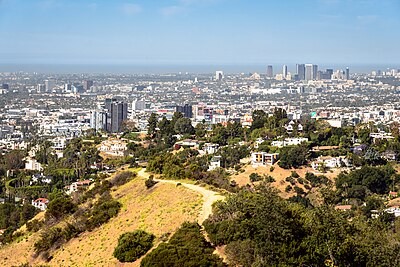
Los Angeles City Guide
City guide
The entertainment capital of the world, Los Angeles is a sprawling metropolis of 3.9 million residents and a metro area of nearly 13 million. Its real estate market is defined by extreme neighborhood diversity — from ultra-luxury Beverly Hills estates to bohemian Venice Beach bungalows. LA attracts strong international buyer interest from Asia, the Middle East, and Europe, drawn by its global brand recognition, world-class entertainment industry, and year-round Mediterranean climate. The city's tech sector — dubbed 'Silicon Beach' — continues to grow, while massive 2028 Olympics infrastructure spending is reshaping transportation and public spaces across the region.
Average price$942,000Rental yield4.5%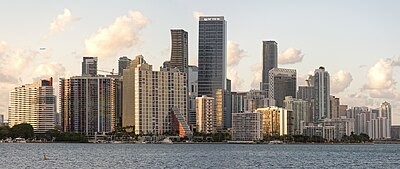
Miami City Guide
City guide
Miami is the undisputed gateway between the United States and Latin America, channeling billions in cross-border capital into one of the world's most dynamic luxury real estate markets. From the glittering condo towers of Brickell to the art-fueled streets of Wynwood, Miami offers investors a rare combination of no state income tax, year-round tropical climate, and a diversified economy spanning finance, tech, healthcare, and international trade. The city's transformation from a vacation destination into a global business hub has accelerated since 2020, with major firms including Citadel, Blackstone, and Microsoft establishing or expanding operations here.
Average price$565,000Rental yield5.0% - 7.0%
New York City Guide
City guide
New York City is the world's premier property market, anchoring global finance, media, tech, and culture across five distinct boroughs. From ultra-luxury Manhattan condos to rapidly appreciating Brooklyn brownstones and Queens waterfront towers, NYC offers unmatched depth and diversity for real estate investors. With a population of 8.3 million, sub-2% rental vacancy, and over 65 million tourists annually, the city generates relentless demand for both residential and short-term rental properties. No state matches New York's combination of global capital flows, institutional-grade assets, and neighborhood-level upside.
Average price$875,000Rental yield4.0% - 5.5%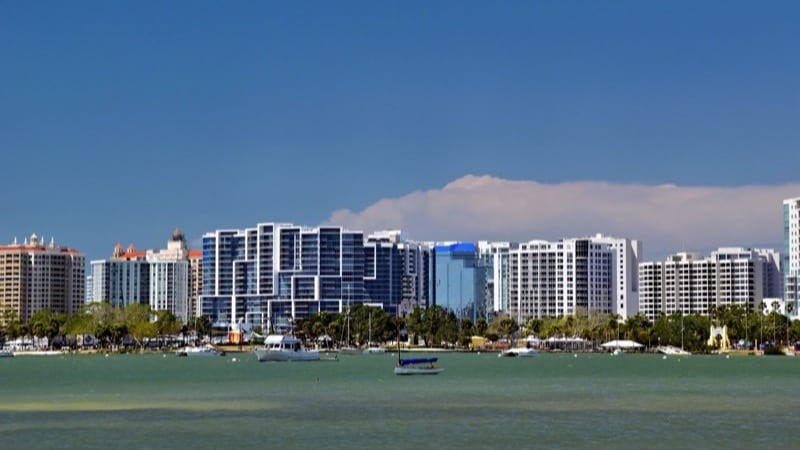
Sarasota City Guide
City guide
Gulf Coast elegance meets barrier island paradise on Florida's cultural coast. From the arts-rich bayfront downtown to the world-famous quartz sand beaches of Siesta Key, Sarasota offers a refined coastal lifestyle — with luxury island enclaves, championship golf communities, and family-friendly master-planned neighborhoods catering to every buyer. The city has long been known as Florida's cultural capital, home to the Ringling Museum, the Sarasota Opera, and a thriving performing arts scene. Combined with no state income tax, year-round sunshine, and a growing healthcare and education sector, Sarasota attracts both retirees seeking waterfront luxury and young families drawn to its exceptional quality of life.
Average price$520,000Rental yield5.3%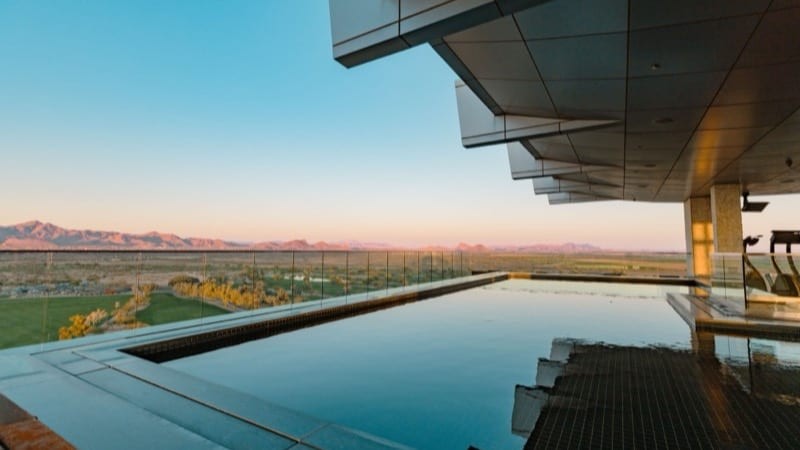
Scottsdale City Guide
City guide
Desert luxury meets outdoor living in one of America's most desirable cities. From the walkable arts and dining scene of Old Town to the sprawling estate communities backed by the McDowell Mountains, Scottsdale offers a lifestyle for every buyer — golf enthusiasts, families, young professionals, and retirees alike. The city's world-class resorts, championship golf courses, and thriving culinary scene attract both permanent residents and seasonal visitors, creating a robust market for both primary residences and vacation rental investments. With over 300 days of sunshine, a booming tech sector, and proximity to Phoenix's growing economy, Scottsdale continues to be one of the Southwest's premier real estate destinations.
Average price$750,000Rental yield4.8%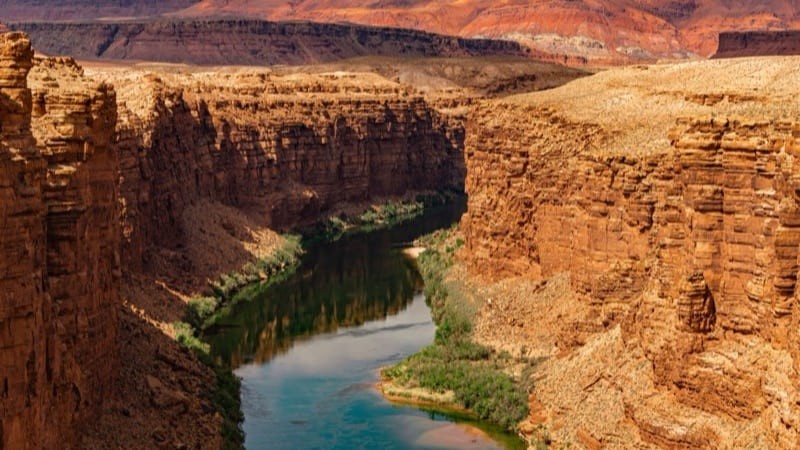
United States country guide
Country guide