
Mauritius Investor Guide

Buy through EDB schemes, secure renewable residency at USD 375,000, and benefit from zero capital gains tax, before registration duty doubles to 10% on 1 July 2026

Updated May 21, 2026Intermediate15 min read

Rental yield
3.2%
Gross, indicative
Price growth
1.0%
Year on year · Sep 2026
Transfer tax
10.0%
Currency
MUR
Population
~1.26 million

Market Overview

Mauritius is a stable, diversified upper-middle-income economy anchored by financial services, tourism, manufacturing/textiles and a growing real-estate sector, supported by an extensive double-taxation-treaty network (~46 DTAAs). Real GDP grew about 4.7% in 2024 and around 3.2% in 2025; the IMF's May 2026 Article IV mission projects growth slowing to roughly 2.8% in 2026, citing the drag on tourism from Middle East conflict (the Bank of Mauritius is more optimistic at 3.3-3.5%). Inflation has eased to around 3.7% (2025), within the central bank's 2-5% band. The principal medium-term watch-points are elevated public debt (~88% of GDP) and reliance on tourism, while the rupee has depreciated roughly 2% a year against the US Dollar -- a structural factor hard-currency investors must price in.

Country
Mauritius
Currency
MUR (Mauritian Rupee; ~46.9 per USD in May 2026)
Population
~1.26 million
GDP growth
~2.8% (IMF 2026 forecast; Bank of Mauritius more optimistic at 3.3-3.5%)
Inflation
~3.7% (2025); ~3.6% forecast (2026)

Key industries

  • Financial & Insurance Services (global business / DTAAs)
  • Tourism & Hospitality
  • Manufacturing & Textiles
  • Sugar & Agro-Industry
  • Real Estate Development
  • ICT / BPO

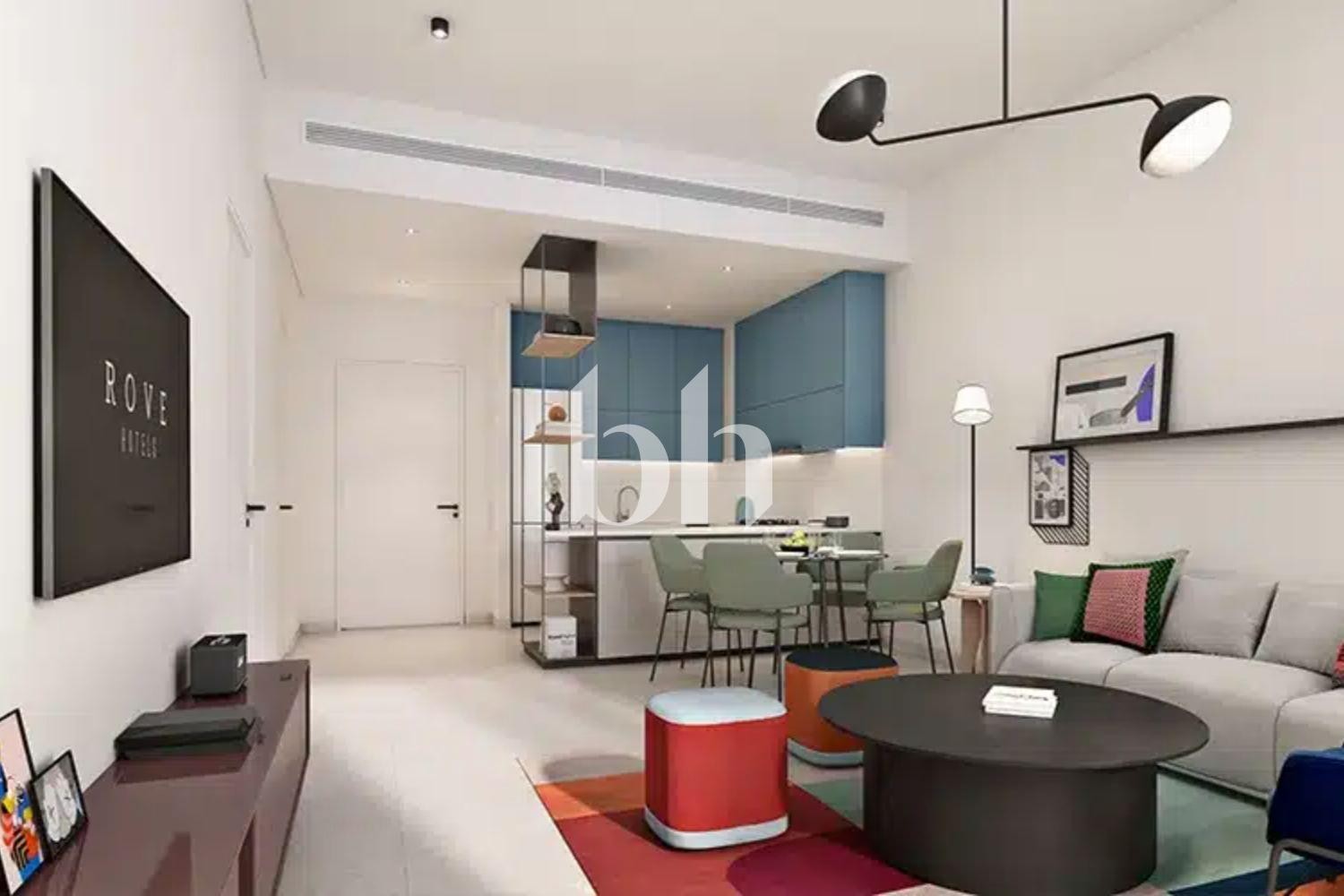
On INTRIC now — Residences on INTRIC are open to enquiry straight from this page.

Restrictions

Foreign Ownership via EDB-Approved Schemes Only

Restrictive

Non-citizens may buy residential property only through government-approved Economic Development Board (EDB) schemes -- the Property Development Scheme (PDS, the current flagship), the legacy Integrated Resort Scheme (IRS) and Real Estate Scheme (RES), the Smart City Scheme (SCS), and Ground+2 (G+2) apartments. The Finance Act 2025 removed earlier proposed flexibility, so buying ordinary property outside these schemes is not permitted, even for residence-permit holders. Every acquisition requires EDB authorization.

  • PDS / IRS / RES / Smart City units are sold freehold to non-citizens, usually off-plan, within approved developments
  • A purchase of USD 375,000 or more grants a renewable residence permit for the owner and family (held for as long as the property is owned)
  • Ground+2 (G+2) apartments are open to non-citizens at a minimum price of MUR 6 million (about USD 130,000-150,000) but do NOT confer residency unless the unit reaches USD 375,000
  • Non-citizens generally cannot buy bare or agricultural land for self-construction, nor property outside approved schemes
  • Property may be held individually or through a Mauritian company, trust or foundation -- confirm structure with an adviser before signing

Mandatory EDB Authorization & AML / KYC

Open

All non-citizen purchases must be authorised by the Economic Development Board and run through a regulated notaire, with standard Anti-Money-Laundering (AML) and Know-Your-Customer (KYC) checks on source of funds. Since 13 December 2024, at least 85% of the purchase price must be paid to the developer in Mauritian rupees (the remaining 15% in foreign currency or rupees), so cross-border buyers should plan their FX conversion.

  • EDB application requires certified passport, the notarised pre-sale agreement, valuation report, proof of funds and KYC
  • EDB processing typically takes up to around three months
  • 85% of the price must be settled with the developer in MUR (rule effective 13 December 2024)
  • Funds flow through the notaire's escrow account
  • Application fees of roughly MUR 10,000-50,000 apply

Unlock the full guide. It's free.

You've read the preview. 8 more sections are open to Explorer members, instantly, with just an email.

No spam, no password, unsubscribe any time.

Already a member? Sign in

  • Taxes & Fees
  • Requirements
  • Purchase Steps
  • Property Types
  • Investment Drivers
  • Market Trends
  • Visa & Residency
  • Financing

Figures are indicative and subject to change. Regulations, taxes and market conditions vary by jurisdiction. Do your own due diligence and seek independent legal and financial advice.